
In an age where personal expression is as important as functionality, the humble keychain has evolved from a simple tool holder to a statement of identity. No longer just a way to keep track of keys, today’s keychains serve as miniature canvases for personality, profession, passion, and aesthetic. Whether clipped to a bag, looped through a belt, or dangling from a set of car keys, a well-chosen keychain reflects who you are—or who you aspire to be.
The rise of niche customization has turned keychains into collectible lifestyle items. From minimalist titanium designs favored by engineers to whimsical enamel charms beloved by creatives, the right keychain can anchor your daily routine in intention and style. But how do you find the one that truly fits? This guide walks through the art and strategy of selecting a keychain that aligns with your lifestyle, values, and visual taste—transforming an overlooked accessory into a meaningful extension of self.
Understanding the Role of a Keychain in Modern Life
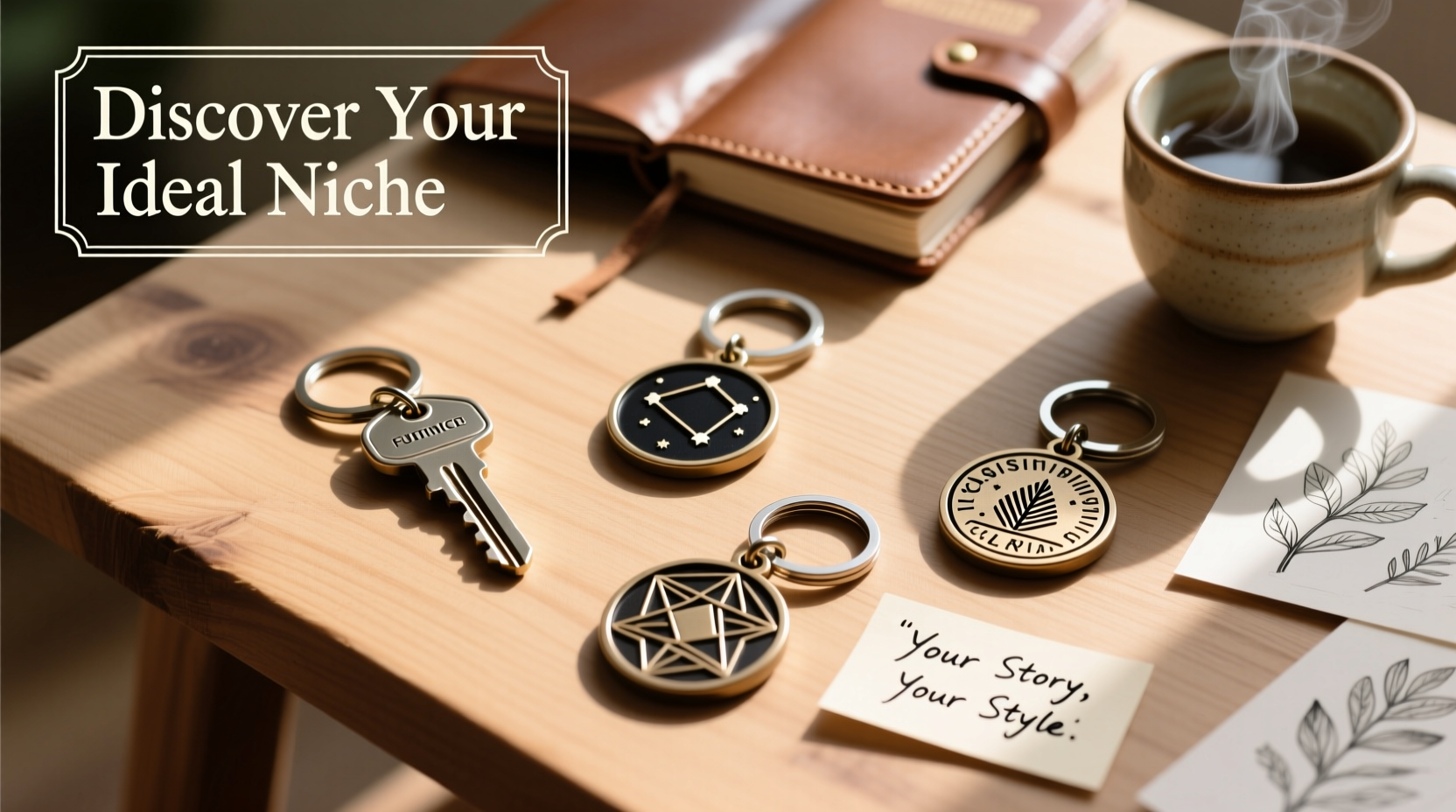
Historically, keychains were utilitarian: metal rings designed to hold keys together. Today, they’ve taken on symbolic and stylistic roles far beyond their original purpose. A keychain might carry a lucky charm, display a favorite quote, signal allegiance to a cause, or even double as a small tool—like a bottle opener, USB drive, or emergency whistle.
This evolution mirrors broader cultural shifts. As people seek authenticity and individuality in their possessions, accessories like keychains become low-cost, high-impact ways to express uniqueness. They’re also highly portable touchstones—items seen daily, handled frequently, and often noticed by others.
Designers and artisans have responded with increasingly creative options. Limited-edition releases, artisan-crafted leather tags, 3D-printed geometrics, and laser-engraved metals now populate marketplaces both online and offline. The challenge isn’t scarcity—it’s selection.
How to Define Your Niche: Aligning Keychains with Identity
“Niche” doesn’t mean obscure—it means specific. A niche keychain resonates because it connects to something real: a hobby, heritage, career, belief system, or emotional value. To discover yours, start by asking reflective questions:
- What causes or communities am I passionate about?
- Do I gravitate toward sleek minimalism or bold maximalism?
- Is durability more important than aesthetics, or vice versa?
- Do I want my keychain to be conversation-starting or understated?
- Does it need to serve a secondary function (e.g., multitool, tracker)?
Answering these helps narrow possibilities. For instance, someone working in tech might prefer a machined aluminum keychain with a circuit-board pattern, while a nature enthusiast may choose a wooden tag shaped like a mountain range. The goal is congruence between object and owner.
A Step-by-Step Guide to Personalizing Your Keychain
Finding your ideal keychain isn’t luck—it’s process. Follow these steps to make intentional choices:
- Assess your daily routine. Do you commute? Travel often? Work outdoors? Your environment influences material needs (water resistance, weight, snag risk).
- Identify core values or interests. List three things central to your identity—e.g., sustainability, music, pet parenthood.
- Explore design styles. Browse collections categorized by aesthetic: industrial, vintage, playful, artistic, etc.
- Consider customization options. Engraving initials, dates, or short mantras adds personal significance.
- Test before committing. If possible, handle samples or order one piece first to evaluate size, texture, and balance.
- Evaluate long-term wear. Will this still feel relevant in six months? Avoid trends that don’t align with enduring tastes.
This methodical approach prevents impulse buys and ensures each addition serves both form and function.
Material Matters: Comparing Durability, Aesthetics, and Use Cases
The material of your keychain affects its longevity, look, and tactile experience. Below is a comparison of popular options:
| Material | Durability | Aesthetic Appeal | Best For |
|---|---|---|---|
| Stainless Steel | High – resistant to rust and impact | Sleek, modern, professional | Daily commuters, professionals, outdoor users |
| Titanium | Very High – lightweight yet strong | Refined, futuristic, premium | Minimalists, tech enthusiasts, travelers |
| Leather | Moderate – ages beautifully but sensitive to moisture | Warm, classic, artisanal | Vintage lovers, gift-givers, style-focused users |
| Wood | Low-Moderate – natural variation, eco-friendly | Organic, earthy, unique grain patterns | Eco-conscious buyers, nature advocates |
| Enamel/Resin | Low – prone to chipping if dropped | Vibrant colors, artistic detail | Collectors, creatives, fans of pop culture |
Selecting based on material ensures your keychain survives daily wear while staying visually aligned with your preferences.
Real Example: How Sarah Found Her Signature Keychain
Sarah, a freelance graphic designer based in Portland, carried a generic metal ring for years—until she attended a craft fair and discovered a local maker selling hand-stamped brass tags. One read “Create Fearlessly,” a phrase that mirrored her personal mantra. She purchased it, attaching it to a recycled steel split-ring.
Over time, she added small enamel pins representing milestones: a paint palette for her first gallery feature, a tiny dog for adopting her rescue pup. Colleagues began noticing, and clients complimented her “thoughtful details.” What started as a functional item became a storytelling device—and even a subtle branding element for her creative business.
Her experience illustrates how a personalized keychain can evolve organically, reflecting growth and memory.
“Accessories aren’t just decorative—they’re psychological anchors. A meaningful keychain can boost confidence and remind us of our values every time we reach for our keys.” — Dr. Lena Torres, Behavioral Psychologist & Lifestyle Researcher
Checklist: Building Your Ideal Keychain Collection
Use this checklist to ensure your selections are intentional and satisfying:
- ☑ Reflects at least one core personal value or interest
- ☑ Made from a material suited to your daily activities
- ☑ Comfortable in size and weight—not too bulky or noisy
- ☑ Features customization (engraving, color, symbol) if desired
- ☑ Sourced ethically or from independent makers when possible
- ☑ Evokes positive emotion when you see or use it
Revisit this list seasonally, especially if your life changes—new job, move, hobby, or mindset shift. Your keychain should grow with you.
Frequently Asked Questions
Can a keychain be too heavy?
Yes. Excess weight can strain pockets, bags, or even keys themselves over time. Aim for under 2 ounces unless you specifically need a multitool or robust build. Balance aesthetics with ergonomics.
Are personalized keychains good gifts?
Exceptionally so. Engraved names, inside jokes, or symbols tied to shared memories make them deeply thoughtful. Pair with a handwritten note for maximum impact.
How do I clean and maintain my keychain?
Care depends on material: wipe stainless steel with a damp cloth; condition leather monthly; avoid water exposure for wood. Store in a dry place when not in use. Regular inspection prevents breakage or loss.
Final Thoughts: Turn the Everyday Into the Extraordinary
The keychain is one of the few objects we touch multiple times a day, often without thought. But when chosen with care, it becomes more than a tool—it becomes ritual, reminder, and representation. In a world of mass production, selecting a niche keychain is a quiet act of curation, a declaration that even the smallest details deserve attention.
Your ideal keychain isn’t found in a trend report or bestseller list. It’s discovered through reflection, tested through use, and refined over time. Start small. Try one meaningful piece. Notice how it feels in your hand, how it looks on your bag, how it makes you feel when you see it glint in the light.




 浙公网安备
33010002000092号
浙公网安备
33010002000092号 浙B2-20120091-4
Comments
No comments yet. Why don't you start the discussion?