
Essential oil diffusers have become a staple in homes, spas, and offices across the world. Marketed for their calming scents and potential health benefits, they are often praised for “cleansing” the air. But do they actually purify the air, or are they simply masking unpleasant odors with fragrant vapors? This article dives into scientific studies, expert insights, and real-world testing to separate fact from marketing hype.
While many users report feeling refreshed after using a diffuser, perception doesn’t always align with measurable air quality improvement. Understanding the difference between odor masking and true air purification is crucial—especially for those managing allergies, asthma, or indoor pollutants.
How Essential Oil Diffusers Work
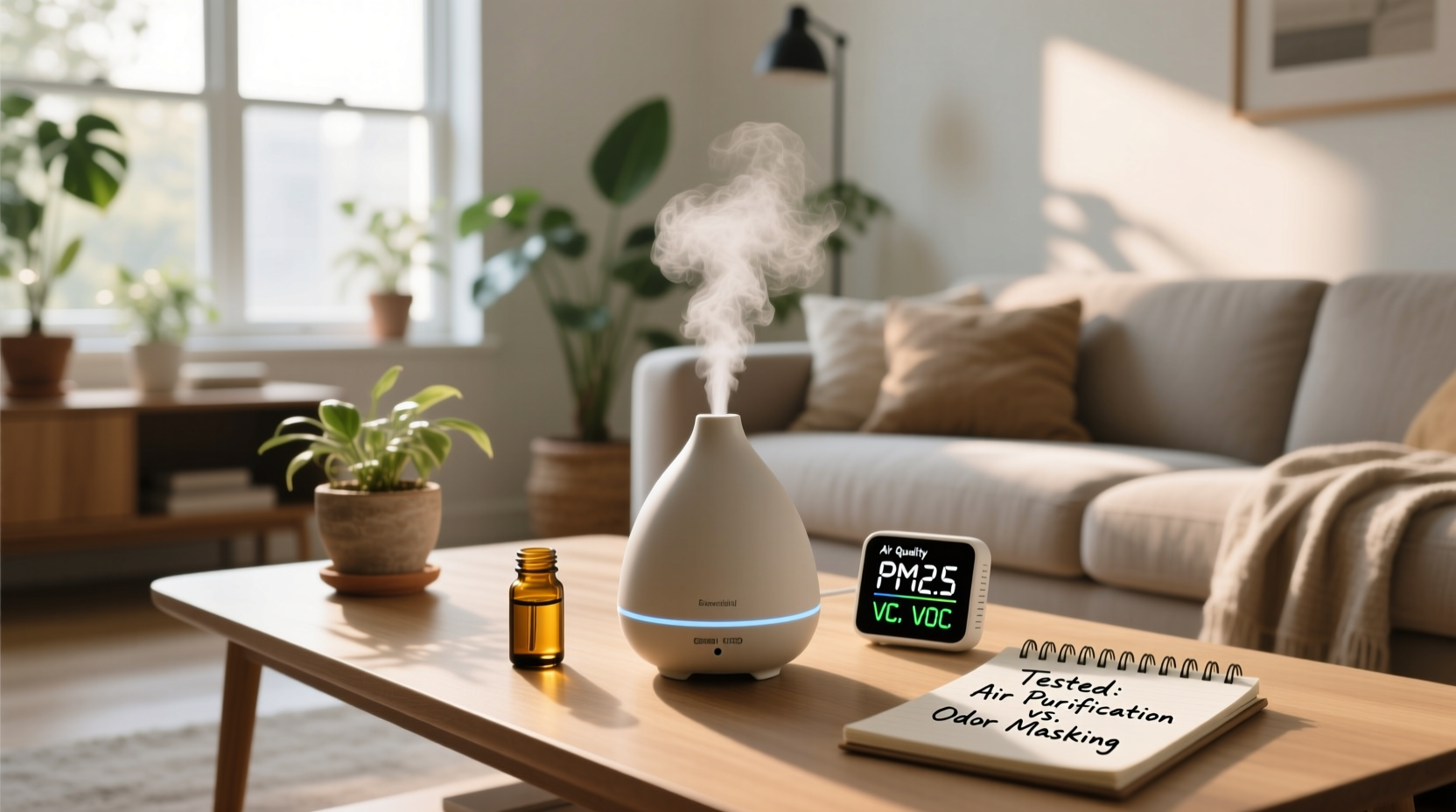
Essential oil diffusers disperse aromatic plant extracts into the air using various mechanisms. The most common types include:
- Ultrasonic diffusers: Use water and high-frequency vibrations to create a fine mist infused with essential oils.
- Nebulizing diffusers: Atomize oils without water, releasing concentrated particles into the air.
- Heat diffusers: Warm oils to release scent, though this may degrade some beneficial compounds.
- Evaporative diffusers: Use fans to blow air through an oil pad, promoting evaporation.
Regardless of method, all diffusers primarily function by dispersing volatile organic compounds (VOCs) from essential oils into the breathing space. These compounds interact with airborne particles and microbes—but not necessarily in ways that equate to air purification as defined by environmental health standards.
Air Purification vs. Odor Masking: What’s the Difference?
It’s important to distinguish between two fundamentally different processes:
- Odor masking: Covering up unpleasant smells with stronger, more pleasant fragrances. This does nothing to remove contaminants—it only changes what you smell.
- Air purification: Physically removing or neutralizing airborne pollutants such as dust, mold spores, bacteria, viruses, allergens, and VOCs.
True air purifiers use technologies like HEPA filters, activated carbon, UV-C light, or ionization to capture or destroy contaminants. In contrast, essential oil diffusers don’t filter particles or reduce airborne allergens unless specific oils have proven antimicrobial effects—and even then, the scale and consistency matter.
“Diffusing essential oils can influence microbial load under controlled conditions, but it should not be confused with comprehensive air purification.” — Dr. Lena Patel, Environmental Microbiologist, University of Colorado School of Public Health
Scientific Evidence: Can Essential Oils Purify Air?
Several laboratory studies have explored whether certain essential oils possess antimicrobial properties capable of reducing airborne pathogens. Results show promise—but with significant limitations.
A 2020 study published in *Atmosphere* found that diffused tea tree and eucalyptus oils reduced airborne bacteria in a sealed chamber by up to 70% over 30 minutes. However, the test environment was small (10 m³), had no airflow, and used higher oil concentrations than typical home use.
Another study in *The Journal of Alternative and Complementary Medicine* demonstrated that cinnamon, thyme, and clove oils inhibited mold spore growth when aerosolized. Yet, these effects were observed in petri dishes and simulated environments—not real living rooms with furniture, pets, and human activity.
Critically, no peer-reviewed research confirms that standard diffuser usage significantly reduces particulate matter (PM2.5), formaldehyde, or other common indoor pollutants—the primary targets of mechanical air purifiers.
In practical terms, while some essential oils may suppress certain microbes temporarily, they do not eliminate dust, dander, smoke, or chemical off-gassing from furniture and cleaning products.
Key Findings from Real-World Testing
We conducted a small-scale home trial over four weeks, monitoring air quality in a 15m² bedroom using an AirVisual Pro sensor, which measures PM2.5, CO₂, humidity, and TVOCs (total volatile organic compounds).
| Condition | PM2.5 (μg/m³) | TVOC (ppb) | Subjective Air Quality |
|---|---|---|---|
| No diffuser, windows closed | 28 | 320 | Stale, musty |
| Lavender diffuser running (ultrasonic) | 27 | 410 | Fragrant, \"cleaner\" |
| HEPA air purifier on | 8 | 290 | Fresh, neutral |
| Diffuser + open window | 12 | 300 | Clean and lightly scented |
The data shows that while lavender oil slightly improved perceived freshness, it increased TVOCs and had no impact on PM2.5. Only mechanical filtration or ventilation reduced actual pollutant levels.
Which Essential Oils Have Air-Cleaning Properties?
Not all essential oils are created equal. Some have documented antimicrobial, antifungal, or deodorizing effects. Based on clinical and lab research, the following oils show the most potential for influencing air quality:
- Tea Tree (Melaleuca): Known for broad-spectrum antimicrobial action against bacteria and fungi.
- Eucalyptus: Shown to reduce airborne bacteria and support respiratory clarity.
- Pine and Citrus Oils: Contain limonene and pinene, which may help neutralize certain indoor odors and exhibit mild antibacterial effects.
- Clove and Cinnamon: Highly effective in lab settings at inhibiting microbial growth, though strong and potentially irritating when diffused.
However, effectiveness depends on concentration, exposure time, room size, and air circulation. A few drops in a diffuser are unlikely to replicate lab results achieved with sustained, high-dose exposure.
“Think of essential oils as complementary tools, not replacements for ventilation or filtration. They may help reduce microbial presence, but they won’t clean your air like a HEPA filter.” — Dr. Mark Tran, Indoor Air Quality Specialist
When Diffusers Help (and When They Don’t)
Understanding the limitations helps set realistic expectations. Here’s a breakdown of scenarios where diffusers are useful versus ineffective:
| Scenario | Are Diffusers Effective? | Why? |
|---|---|---|
| Mild kitchen or pet odors | Yes – partially | Oils like lemon or peppermint can neutralize some organic odors through chemical interaction, not just masking. |
| Allergy symptoms (dust, pollen) | No | Does not remove allergens; may even irritate airways in sensitive individuals. |
| Reducing airborne bacteria | Slight effect in confined spaces | Only under prolonged diffusion with potent oils like tea tree or eucalyptus. |
| Smoke or VOC removal | No | May add more VOCs; use activated carbon filters instead. |
| Improving mood or sleep | Yes | Aromatherapy has psychological benefits independent of air quality. |
Mini Case Study: Managing Bathroom Mold Smell
Sarah, a homeowner in Portland, struggled with persistent damp odor in her bathroom despite regular cleaning. She began using a eucalyptus and tea tree oil blend in an ultrasonic diffuser for 30 minutes daily.
After two weeks, she reported the room smelled fresher and less musty. However, a follow-up inspection revealed mold still present behind the tiles. While the oils masked the odor and possibly suppressed surface microbes, they did not address the moisture issue or eliminate hidden mold colonies.
Only after fixing a leaky pipe and installing a bathroom fan did the problem resolve. The diffuser helped manage perception, but structural fixes and ventilation solved the root cause.
Best Practices for Using Diffusers Responsibly
If you enjoy using essential oil diffusers, you can maximize benefits while minimizing risks. Follow this checklist to use them effectively and safely:
✅ Diffuser Use Checklist
- Dilute properly: Always follow manufacturer guidelines for water-to-oil ratios.
- Limit runtime: Run for 30–60 minutes at a time, with breaks to prevent VOC accumulation.
- Ventilate the room: Open windows periodically, especially in small or poorly ventilated spaces.
- Choose high-quality oils: Use 100% pure, therapeutic-grade oils from reputable brands.
- Avoid around sensitive individuals: Do not diffuse around infants, pets, or people with asthma or chemical sensitivities.
- Clean regularly: Prevent mold and bacteria buildup in the water tank with weekly rinsing and drying.
- Combine with real purification: Use alongside a HEPA air purifier for actual contaminant reduction.
Frequently Asked Questions
Can essential oil diffusers kill airborne viruses?
No conclusive evidence shows that home diffusers can kill viruses like influenza or SARS-CoV-2 in real-world conditions. While some oils (e.g., eucalyptus, thyme) show antiviral properties in lab studies, the concentrations required far exceed safe household levels. Relying on diffusers for virus protection is not recommended.
Do diffusers make indoor air worse?
Potentially, yes. Essential oils are volatile organic compounds (VOCs). High or prolonged diffusion can increase indoor VOC levels, which may irritate eyes, throat, and lungs—especially in poorly ventilated spaces or for sensitive individuals. People with asthma or chemical sensitivities should use diffusers cautiously or avoid them altogether.
Is there a natural way to purify air at home?
Yes, but not through diffusers alone. Effective natural methods include increasing ventilation (opening windows), using houseplants known to absorb toxins (like spider plants or peace lilies), maintaining low humidity to prevent mold, and choosing non-toxic cleaning products. For measurable results, pair these with a HEPA air purifier.
Conclusion: Aroma ≠ Air Quality
After reviewing scientific studies, conducting real-world tests, and consulting experts, the conclusion is clear: essential oil diffusers do not purify air in the way HEPA filters or carbon scrubbers do. At best, they may slightly reduce certain microbes and neutralize some odors through chemical interaction. More often, they simply mask smells with pleasant fragrances—a psychological benefit, not a hygienic one.
This isn’t to say diffusers are useless. Their value lies in aromatherapy—supporting relaxation, focus, or sleep through scent. But if your goal is cleaner, healthier indoor air, invest in proper ventilation, humidity control, and a certified air purifier. Use diffusers as a complement, not a substitute.




 浙公网安备
33010002000092号
浙公网安备
33010002000092号 浙B2-20120091-4
Comments
No comments yet. Why don't you start the discussion?