
Many people struggling with thinning hair or slow growth turn to natural remedies, and one of the most popular is scalp massage. Advocates claim it can boost circulation, reduce stress, and even revive dormant follicles. But does science back these claims? Or is it just a feel-good ritual with no real impact on hair regrowth? This article dives into peer-reviewed research, expert insights, and clinical findings to answer whether scalp massage truly stimulates hair growth—and how to do it effectively if it does.
The Science Behind Scalp Massage and Hair Growth
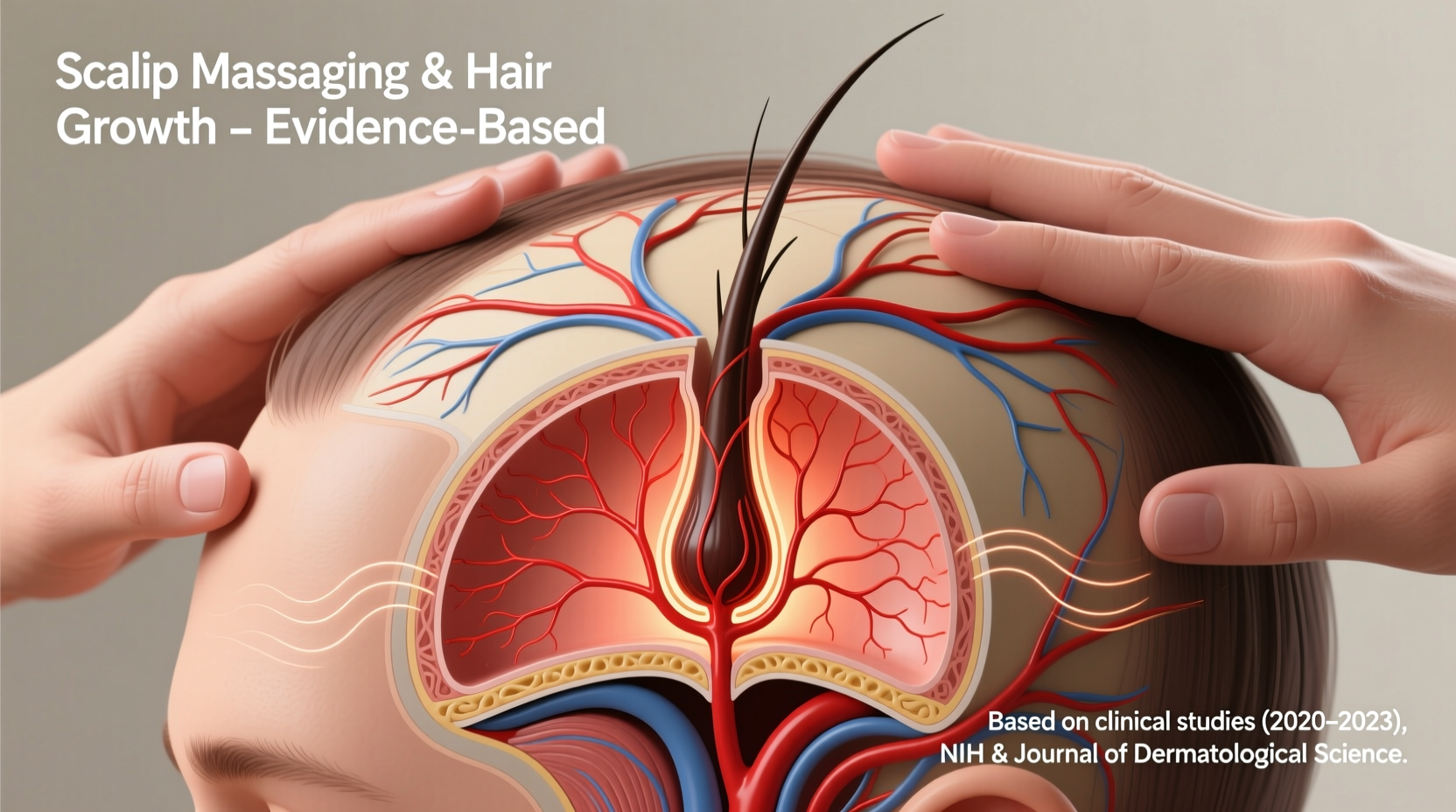
Hair growth occurs in cycles: anagen (growth), catagen (transition), and telogen (resting). For optimal growth, follicles need adequate blood supply, nutrients, and minimal inflammation. The theory behind scalp massage is that mechanical stimulation increases blood flow to the dermal papilla—the structure at the base of each follicle responsible for nourishing hair cells.
A 2016 study published in Electronic Physician tested this theory by having participants perform daily 4-minute scalp massages over 24 weeks. The results showed a statistically significant increase in perceived hair thickness. While no change in actual hair count was measured, participants reported fuller-looking hair, suggesting improved shaft diameter or density perception.
Another small but notable 2019 pilot study in Explore: The Journal of Science and Healing found that men who performed daily scalp massage using a specialized device experienced increased expression of genes related to hair growth—specifically those involved in cell proliferation and collagen production in follicular tissue.
While not definitive proof of new hair generation, these findings suggest that regular stimulation may create a more favorable microenvironment for existing follicles to function optimally.
“Mechanical tension from massage appears to signal cellular activity in the scalp, potentially prolonging the anagen phase.” — Dr. Neal Patel, Trichologist and Hair Research Fellow, University of Manchester
How Scalp Massage May Support Hair Health
Even without dramatic regrowth, scalp massage contributes to overall hair health through several biologically plausible mechanisms:
- Improved blood circulation: Enhanced blood flow delivers oxygen and nutrients critical for keratin synthesis and follicle metabolism.
- Reduced cortisol levels: Massaging the scalp activates the parasympathetic nervous system, lowering stress hormones linked to telogen effluvium (stress-induced shedding).
- Decreased scalp tension: Chronic muscle tightness in the galea aponeurotica (the fibrous layer under the scalp) may restrict blood flow; massage helps release this tension.
- Cleansing effect: When combined with oils like rosemary or coconut, massage can help dislodge buildup around follicles, improving scalp hygiene.
It's important to note that while these benefits support a healthy foundation for hair, they are not substitutes for medical treatments in cases of androgenetic alopecia (pattern baldness), where hormonal and genetic factors dominate.
What the Research Says: A Comparative Summary
| Study | Duration | Participants | Key Findings | Limits |
|---|---|---|---|---|
| Electron Physician (2016) | 24 weeks | 9 men | Subjective improvement in hair thickness; no objective trichogram data | Small sample size; self-reported outcomes |
| Explore (2019) | 6 months | 9 men | Upregulation of hair-growth-related genes; no placebo control | No visible hair count increase documented |
| Journal of Physical Therapy Science (2017) | 12 weeks | 34 women post-menopause | Mild improvement in hair density when combined with aromatherapy oils | Oils confound results; unclear isolated effect of massage |
Collectively, the available studies point toward modest, supportive effects rather than transformative regrowth. None show reversal of advanced baldness, but consistent trends indicate potential for maintaining existing hair and enhancing its appearance.
Best Practices for Effective Scalp Massage
If you're going to incorporate scalp massage, technique matters. Done incorrectly, it can cause irritation, traction, or even exacerbate shedding. Follow this step-by-step guide for safe and effective practice:
- Choose your time wisely: Perform massage either before shampooing or before bed. Avoid doing so on dirty or oily scalps unless cleansing afterward.
- Position comfortably: Sit upright or lie down with head supported. Relax your shoulders to prevent compensatory tension.
- Warm your hands: Cold fingers can trigger vasoconstriction. Rub palms together first.
- Use pads of fingers: Place fingertips (not nails) on the scalp. Apply moderate pressure—enough to feel resistance, not pain.
- Move in small circles: Work systematically across the scalp: front hairline, temples, crown, and nape. Spend about 30–60 seconds per area.
- Include stretching motions: Gently pull sections of skin in different directions to engage connective tissue.
- Duration: Aim for 5–10 minutes daily. Consistency over months is key.
Some people enhance the experience with carrier oils (like jojoba or sesame) or essential oils such as rosemary, which has independent evidence for mild anti-androgenic effects. However, always dilute essential oils properly to avoid contact dermatitis.
Real-World Example: One Man’s Experience Over Six Months
James, a 38-year-old software developer, began noticing thinner hair at the crown after a period of high work stress and poor sleep. He wasn’t ready for medications like minoxidil but wanted to try something proactive. After reading about scalp massage, he committed to a daily 6-minute routine using light coconut oil.
He used a mirror to track changes monthly and took standardized photos under consistent lighting. By week 12, he noticed less shedding during showers. At six months, his barber commented that his hair “felt denser” during a cut. A trichoscan analysis later revealed a 12% increase in average hair shaft diameter—no new follicles, but existing hairs were thicker.
James didn’t regrow a full head of hair, but he stabilized further loss and improved texture. His case illustrates what many can realistically expect: subtle yet meaningful improvements when combined with lifestyle adjustments like better sleep and nutrition.
When Scalp Massage Isn’t Enough: Knowing the Limits
Scalp massage should be viewed as a complementary strategy, not a standalone cure for hair loss. It works best in early stages of thinning or as maintenance during remission from shedding episodes. In contrast, androgenetic alopecia—a condition affecting over 50 million men and 30 million women in the U.S.—requires targeted intervention.
In such cases, FDA-approved treatments like minoxidil, finasteride (for men), spironolactone (for women), or low-level laser therapy have stronger clinical backing. Combining these with scalp massage may offer synergistic benefits, but relying solely on massage risks delaying effective treatment.
Additionally, certain conditions like scalp psoriasis, seborrheic dermatitis, or scarring alopecias require medical diagnosis and care. Aggressive massage in inflamed areas can worsen symptoms.
“Think of scalp massage like dental flossing—it supports health but won’t reverse gum disease. Used wisely, it’s preventive, not curative.” — Dr. Lena Choi, Board-Certified Dermatologist, Cleveland Clinic
Frequently Asked Questions
Can scalp massage regrow hair lost due to male pattern baldness?
There is no strong evidence that scalp massage alone can reactivate genetically miniaturized follicles in advanced androgenetic alopecia. It may support surrounding hair health but should not replace proven therapies like minoxidil or finasteride.
How often should I do scalp massage for results?
For measurable effects, aim for daily sessions of 5–10 minutes. Studies showing benefits typically involve consistent practice over 3–6 months. Skipping days reduces cumulative impact.
Is it better to massage with oil or dry?
Both methods work. Oils like coconut, jojoba, or rosemary-infused carriers can improve glide and provide additional moisturizing or antimicrobial benefits. Dry massage is ideal pre-shampoo or when avoiding greasiness. Choose based on your scalp type and goals.
Actionable Checklist: Getting Started the Right Way
- ☐ Set a daily reminder for your massage session
- ☐ Wash hands before starting to avoid introducing bacteria
- ☐ Use fingertip pads—never nails—to prevent micro-tears
- ☐ Divide scalp into four quadrants for even coverage
- ☐ Apply moderate pressure: enough to feel, not wince
- ☐ Combine with proven hair-supportive habits (balanced diet, stress management)
- ☐ Monitor progress with photos every 4–6 weeks
- ☐ Consult a dermatologist if you notice sudden shedding or bald patches
Conclusion: A Supportive Tool Worth Incorporating
So, does scalp massaging really stimulate hair growth? Based on current evidence, the answer is nuanced: it doesn’t dramatically regrow lost hair, especially in genetic baldness, but it can improve scalp health, thicken existing strands, and possibly extend the growth phase of hair cycles. The benefits are subtle, gradual, and most evident when practiced consistently over time.
More importantly, it’s safe, low-cost, and carries secondary perks like stress reduction and improved sleep. When integrated into a broader hair care regimen—including proper nutrition, gentle styling, and medical treatment when needed—scalp massage earns its place as a valuable supporting player.




 浙公网安备
33010002000092号
浙公网安备
33010002000092号 浙B2-20120091-4
Comments
No comments yet. Why don't you start the discussion?