
In an era where smartphones, tablets, laptops, and televisions dominate our evenings, concerns about sleep disruption are more relevant than ever. Many people report difficulty falling asleep or feeling unrested despite spending enough time in bed. A growing body of scientific research points to one major culprit: evening screen exposure. The connection between screen time, melatonin suppression, and poor sleep quality isn’t just anecdotal—it’s well-documented. Understanding how artificial light from digital devices interferes with your body’s natural rhythms is the first step toward reclaiming restful nights.
The Science Behind Light, Melatonin, and Circadian Rhythms
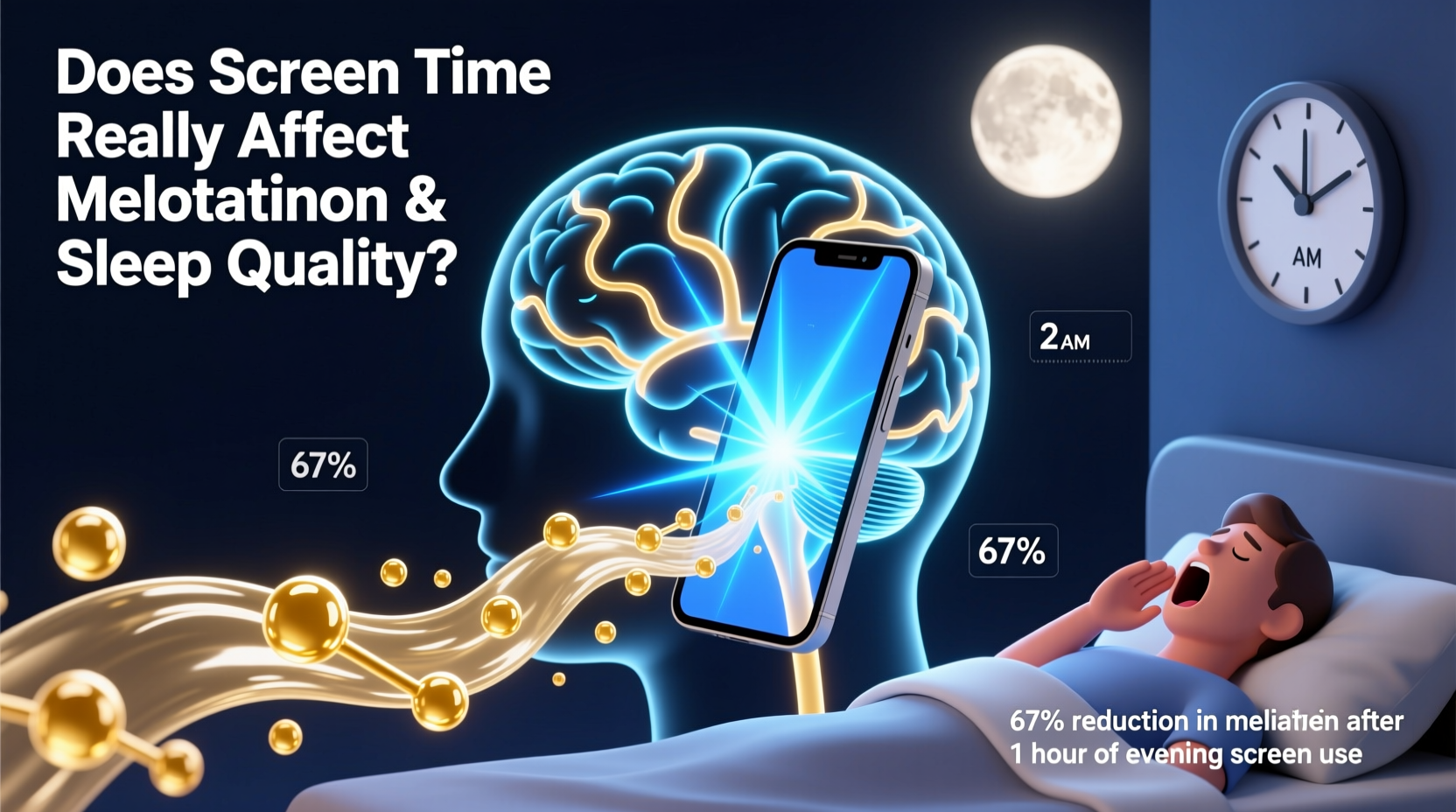
Melatonin is a hormone produced by the pineal gland in the brain, primarily released in response to darkness. It plays a central role in regulating the sleep-wake cycle, signaling to the body that it's time to wind down. Production typically begins around 9–10 p.m., peaks in the middle of the night, and tapers off as morning approaches.
The human circadian rhythm—our internal 24-hour biological clock—is highly sensitive to light, especially blue light, which has a short wavelength and high energy. Digital screens emit significant amounts of blue light, mimicking daylight and tricking the brain into thinking it’s still daytime. This suppresses melatonin production, delaying sleep onset and reducing overall sleep quality.
A landmark study published in the Proceedings of the National Academy of Sciences found that participants who read on light-emitting e-readers before bed took longer to fall asleep, had reduced REM sleep, and felt less alert the next morning compared to those reading printed books. The researchers concluded that “evening exposure to light-emitting screens can have substantial effects on circadian timing and sleep.”
“Light at night is one of the most powerful disruptors of circadian biology. Blue-enriched light from screens can delay melatonin by up to three hours in some individuals.” — Dr. Charles Czeisler, Harvard Medical School, Sleep Researcher
How Screen Time Disrupts Sleep: Key Mechanisms
- Melatonin Suppression: Exposure to blue light between 460–480 nm wavelengths directly inhibits melatonin synthesis, even at low intensities.
- Circadian Phase Delay: Late-night screen use shifts the body’s internal clock later, making it harder to wake up and feel alert in the morning.
- Reduced Sleep Efficiency: Even if you fall asleep, sleep may be lighter and more fragmented due to altered brainwave patterns.
- Mental Stimulation: Engaging content (social media, emails, videos) increases cognitive arousal, making it harder to transition into rest.
Proven Tips to Minimize Screen Impact on Sleep
While eliminating screen use entirely may not be practical, several evidence-based strategies can significantly reduce its negative effects on melatonin and sleep quality.
1. Use Blue Light Filters and Night Modes
Most modern devices offer built-in \"Night Shift,\" \"Blue Light Filter,\" or \"Dark Mode\" settings that reduce blue light emission in the evening. These features shift the screen color spectrum toward warmer tones (yellow/red), which are less disruptive to melatonin.
However, studies suggest these filters help—but don’t completely eliminate—melatonin suppression. One study in Chronobiology International showed that while blue light filters improved subjective sleep quality, they only partially restored melatonin levels compared to no screen use.
2. Wear Blue Light-Blocking Glasses
Amber-tinted glasses that block blue light have been shown to preserve melatonin production even when screen use is unavoidable. In a controlled trial, participants wearing blue-blocking glasses for three hours before bed experienced a significant increase in melatonin and reported better sleep quality after just two weeks.
3. Adjust Screen Brightness and Distance
Brightness matters. A screen set to maximum brightness emits far more light than necessary and increases melatonin suppression. Lower your screen brightness to match ambient room lighting. Also, increase viewing distance—holding a phone close to your face exposes your eyes to much higher light intensity than watching a TV from across the room.
4. Establish a Digital Curfew
Set a firm cutoff time—ideally 90 minutes before bed—for all non-essential screen use. Replace late-night scrolling with calming activities such as reading a physical book, listening to a podcast, or practicing mindfulness meditation.
5. Optimize Your Bedroom Environment
Your bedroom should signal safety and rest to your brain. Keep it cool (60–67°F), dark, and free of glowing electronics. Charge phones and tablets outside the bedroom to eliminate temptation and reduce electromagnetic distractions.
Step-by-Step Guide to a Healthier Evening Routine
Implementing sustainable changes requires a structured approach. Follow this timeline to gradually reduce screen-related sleep disruption:
- 6:00 PM – Begin Transition: Start dimming indoor lights and switch device settings to night mode.
- 7:30 PM – Limit High-Stimulus Content: Avoid intense work emails, social media debates, or action-packed shows.
- 8:30 PM – Digital Curfew Begins: Stop using smartphones, tablets, and computers unless absolutely necessary.
- 8:30–9:30 PM – Wind-Down Activities: Take a warm bath, do light stretching, journal, or read a print book.
- 9:30 PM – Prepare Bedroom: Ensure the room is dark and cool. Use blackout curtains if needed.
- 10:00 PM – Lights Out: Aim to be in bed with eyes closed by this time to align with natural melatonin release.
“Consistency is key. Going to bed and waking up at the same time every day—even on weekends—strengthens your circadian rhythm and makes you less vulnerable to occasional screen exposure.” — Dr. Rebecca Robbins, Sleep Scientist, NYU Langone Health
Real-Life Example: Sarah’s Screen Detox Journey
Sarah, a 34-year-old marketing manager, struggled with insomnia for months. She routinely worked on her laptop until 11 p.m., scrolled through Instagram in bed, and woke up groggy despite sleeping eight hours. After consulting a sleep specialist, she implemented a strict digital curfew at 9 p.m., began wearing blue-light-blocking glasses during evening work, and replaced bedtime phone use with reading.
Within three weeks, Sarah noticed she fell asleep faster, woke up fewer times at night, and felt more alert in the mornings. Her wearable sleep tracker confirmed improvements: average sleep efficiency increased from 78% to 91%, and deep sleep duration rose by 35%.
Her experience reflects what many people discover—small behavioral changes yield significant gains in sleep quality when rooted in circadian science.
Do’s and Don’ts: Screen Habits That Help or Harm Sleep
| Do’s | Don’ts |
|---|---|
| Use night mode settings on devices after sunset. | Watch bright screens in complete darkness—this maximizes pupil dilation and light exposure. |
| Charge phones outside the bedroom to reduce temptation. | Respond to emails or messages in bed—it creates mental association between bed and stress. |
| Wear blue-blocking glasses if evening screen use is unavoidable. | Use high-brightness screens within 90 minutes of bedtime. |
| Read printed books or magazines as a screen-free alternative. | Scroll social media before sleep—the variable rewards system keeps the brain engaged. |
Frequently Asked Questions
Can I use my phone if I enable night mode?
Night mode helps by reducing blue light, but it doesn't eliminate the problem. The content itself—especially interactive or emotionally charged material—can still stimulate your brain. For optimal sleep, avoid phone use altogether in the last hour before bed. If you must use it, keep sessions under 15 minutes and avoid backlit screens in total darkness.
Are children more affected by screen time before bed?
Yes. Children and adolescents are particularly sensitive to blue light because their ocular lenses transmit more short-wavelength light to the retina. Studies show that kids who use screens before bedtime fall asleep later, get less total sleep, and exhibit more daytime fatigue. Experts recommend no screens at least one hour before bed for children and avoiding screens in bedrooms altogether.
Does screen time affect sleep even if I don’t feel it?
Absolutely. Many people adapt to chronic sleep disruption without realizing it. You might fall asleep quickly but still experience reduced REM and deep sleep, which are critical for memory consolidation and physical recovery. Wearable sleep trackers often reveal hidden deficits in sleep architecture caused by regular evening screen exposure.
Final Thoughts: Reclaim Your Nights
The impact of screen time on melatonin and sleep quality is not hypothetical—it’s measurable, predictable, and reversible. While technology offers convenience and connectivity, it demands boundaries to protect fundamental health processes like sleep. By understanding the biological mechanisms at play and applying simple, consistent habits, you can mitigate the damage and restore natural sleep rhythms.
You don’t need to abandon screens entirely. Instead, design an evening routine that respects your body’s need for darkness and downtime. Prioritize real rest over passive scrolling. Over time, these choices compound into deeper sleep, sharper focus, and greater resilience.




 浙公网安备
33010002000092号
浙公网安备
33010002000092号 浙B2-20120091-4
Comments
No comments yet. Why don't you start the discussion?