
Dry shampoo has become a staple in modern hair care routines—offering a quick fix for greasy roots, bad hair days, or post-workout refreshes. While convenient, overreliance on this product can lead to a hidden issue: buildup on the scalp. Over time, residue accumulates, clogging hair follicles, dulling strands, and even contributing to irritation or hair thinning. Understanding the root causes of dry shampoo buildup—and knowing how to effectively deep clean your scalp at home—is essential for maintaining long-term hair health.
Why Dry Shampoo Buildup Happens
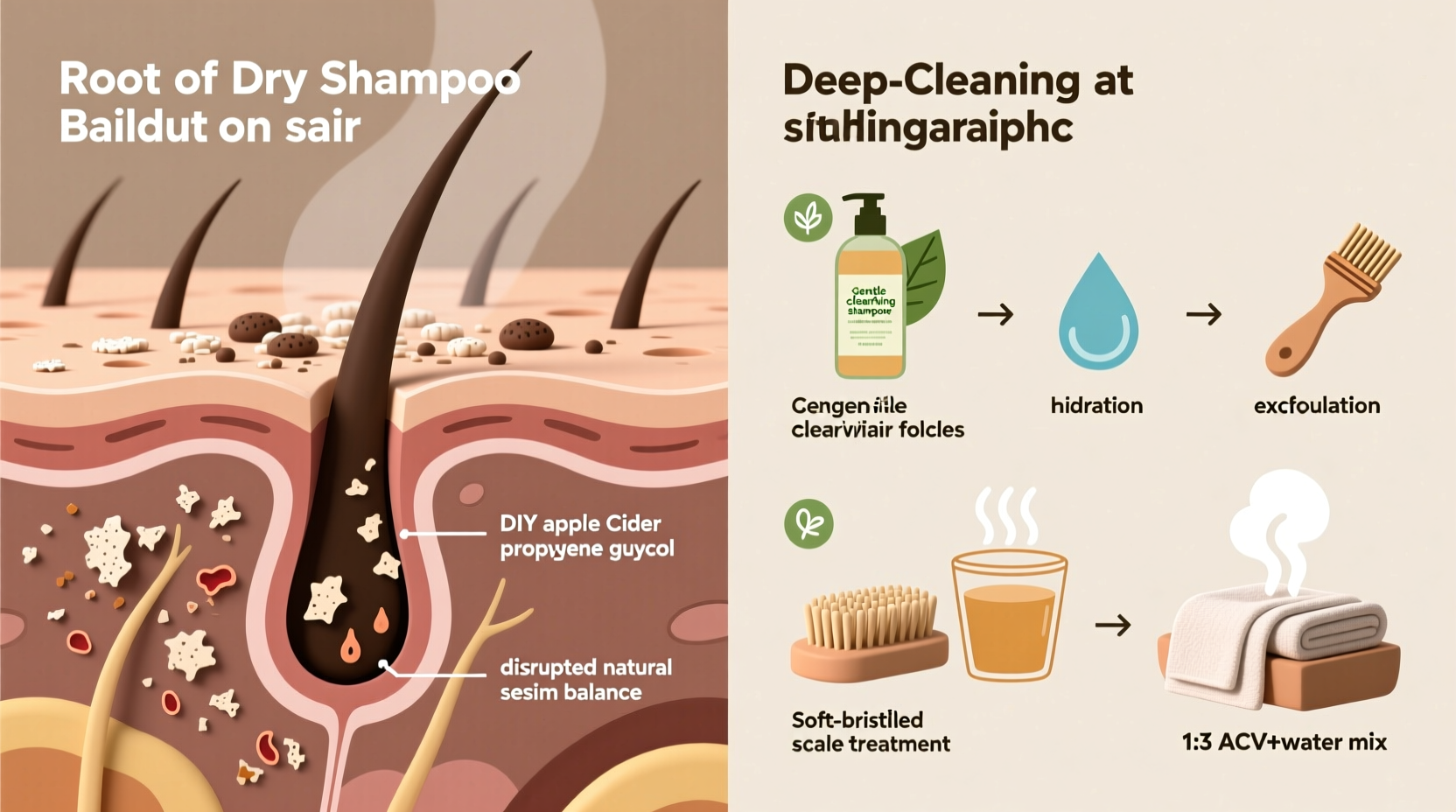
Dry shampoo works by absorbing excess oil from the scalp using ingredients like starch, alcohol, and propellants. Unlike traditional shampoos that rinse away impurities, dry versions leave behind microscopic particles. With repeated use, these residues accumulate, especially when users skip regular washing or apply too much product.
The problem is compounded by other factors such as sweat, environmental pollutants, natural sebum, and styling products. These combine with dry shampoo remnants to form a sticky layer on the scalp surface. This coating prevents proper oxygen flow to hair follicles, disrupts natural shedding cycles, and alters the scalp’s microbiome.
Common Signs of Scalp Buildup
Buildup isn’t always visible at first, but several warning signs indicate it’s time to reassess your routine:
- Itchy or flaky scalp resembling dandruff
- Oily roots despite frequent dry shampoo use
- Flat, lifeless hair that lacks volume
- Tenderness or sensitivity when touching the scalp
- White or grayish powdery residue along the hairline or part
- Increased hair shedding or slower growth
These symptoms often mislead users into thinking they need *more* dry shampoo, creating a cycle of worsening buildup. Recognizing them early allows for timely intervention before deeper issues arise.
Key Ingredients That Contribute to Buildup
Not all dry shampoos are created equal. Some formulations contain compounds more likely to adhere stubbornly to the scalp:
| Ingredient | Function | Buildup Risk |
|---|---|---|
| Starch (corn, rice, oat) | Absorbs oil | High – clumps when mixed with moisture |
| Alcohol (denatured, SD alcohol) | Propellant and solvent | Moderate – dries scalp, increases flaking |
| Butane/Propane | Aerosol propellants | Low direct risk, but disperses residue widely |
| Silicones (dimethicone) | Smoothes hair | Very high – forms water-resistant film |
| Fragrance & dyes | Enhances scent/appearance | Can irritate sensitive scalps |
Products labeled “invisible” or “volumizing” often contain higher concentrations of starch and silicones—precisely the components most prone to accumulation. Reading labels carefully helps avoid formulas that do more harm than good over time.
“Scalp buildup from dry shampoo is one of the most underdiagnosed causes of hair thinning in women aged 25–40. Many patients don’t realize they’re suffocating their follicles until we initiate a cleansing protocol.” — Dr. Lena Patel, Board-Certified Trichologist
Step-by-Step Guide to Deep Clean Your Scalp at Home
Reversing buildup requires more than a standard shampoo. A targeted, multi-phase approach ensures thorough removal without damaging the scalp barrier. Follow this proven method weekly or biweekly, depending on usage frequency.
- Pre-Treatment Oil Application
Use a lightweight oil like jojoba, grapeseed, or argan. Apply directly to the scalp using a dropper or fingertips. Massage gently for 3–5 minutes to loosen compacted residue. Let sit for 20–30 minutes (or overnight for severe cases). - Baking Soda Scrub (Optional for Stubborn Buildup)
Mix 1 tablespoon baking soda with 3 tablespoons water to form a paste. Section hair and apply only to the scalp. Gently massage in circular motions for 1–2 minutes. Rinse thoroughly. Note: Do not use more than once every two weeks, as baking soda can raise scalp pH. - Cleansing Shampoo Wash
Choose a clarifying or chelating shampoo containing salicylic acid, charcoal, or sulfates (e.g., sodium lauryl sulfate). Lather twice: the first pass breaks down oils; the second removes suspended debris. Focus on the scalp, not lengths. - Vinegar Rinse (Balancing Step)
Mix 1 part apple cider vinegar with 3 parts cool water. Pour over scalp after rinsing out shampoo. Leave for 2–3 minutes to restore pH and dissolve mineral deposits from hard water. Rinse well. - Scalp Exfoliation (Weekly Maintenance)
Use a soft silicone brush or fingertips with a gentle exfoliating serum. Work in small circles across all sections. Avoid metal-tipped tools that may cause micro-tears. - Moisturize and Soothe
Finish with a non-comedogenic scalp essence or aloe vera gel to rehydrate and calm inflammation. Look for ingredients like tea tree oil, niacinamide, or panthenol.
Real-Life Example: Breaking the Buildup Cycle
Sophie, a 32-year-old marketing executive, used dry shampoo five times a week to maintain her sleek bob between salon visits. After six months, she noticed persistent itching, white flakes, and thinner-looking hair near her crown. She assumed it was stress-related shedding.
Upon visiting a trichologist, she learned her scalp was coated with a thick layer of starch and silicone residue. Her follicles were inflamed and partially blocked. Following a four-week regimen of weekly oil pre-treatments, biweekly clarifying washes, and daily scalp massages, Sophie reported reduced flaking, improved volume, and less frequent need for dry shampoo. Within eight weeks, her hair appeared denser and shinier.
This case illustrates how easily convenience can compromise health—and how structured at-home care can reverse damage without clinical treatments.
Do’s and Don’ts of Dry Shampoo Use
| Do’s | Don’ts |
|---|---|
| Shake can well before spraying | Apply too close to the scalp (hold 6–8 inches away) |
| Use on second- or third-day hair only | Rely on it exclusively for more than three days straight |
| Massage thoroughly after application | Leave residue overnight without brushing out |
| Choose formulas without silicones or parabens | Use on irritated or broken skin |
| Wash hair weekly with a clarifying shampoo | Combine multiple aerosol products (e.g., dry shampoo + texturizing spray) |
Recommended At-Home Deep Cleaning Checklist
To ensure you cover all bases during your scalp detox, follow this checklist:
- ☑ Gather supplies: oil, clarifying shampoo, apple cider vinegar, towel, wide-tooth comb
- ☑ Section hair into 4–6 parts for even treatment
- ☑ Apply pre-treatment oil directly to scalp, not hair ends
- ☑ Allow minimum 20-minute dwell time before washing
- ☑ Use lukewarm—not hot—water to open pores without irritation
- ☑ Double cleanse with a sulfate-based or salicylic acid shampoo
- ☑ Perform vinegar rinse to neutralize alkalinity from cleansing agents
- ☑ Air-dry or use low heat; avoid tight hairstyles immediately after
- ☑ Repeat process every 7–14 days if heavy dry shampoo user
- ☑ Monitor scalp response and adjust frequency accordingly
Frequently Asked Questions
How often should I deep clean my scalp?
If you use dry shampoo regularly (3+ times per week), aim for a deep clean every 7–10 days. For occasional users, once every 2–3 weeks is sufficient. Adjust based on scalp sensitivity and environmental exposure.
Can dry shampoo cause hair loss?
Directly, no—but prolonged buildup can lead to follicular inflammation (perifolliculitis), restricted blood flow, and miniaturization of hair shafts over time. This may result in temporary thinning or delayed regrowth, which reverses with proper cleansing.
Is there a natural alternative to dry shampoo that won’t build up?
Yes. Arrowroot powder or organic cornstarch applied sparingly with a makeup brush can absorb oil without harsh chemicals. Add a few drops of lavender or tea tree essential oil for antimicrobial benefits. Brush out thoroughly after 15–20 minutes.
Conclusion: Reclaim Scalp Health Naturally
Your scalp is living skin—just like the face—and deserves the same level of attention. Dry shampoo is a useful tool, but treating it as a replacement for cleansing undermines hair integrity. By understanding the causes of buildup and adopting a consistent deep-cleaning routine, you protect both short-term appearance and long-term vitality.
Start today: assess your current habits, gather simple household ingredients, and commit to one thorough scalp reset this week. Small changes yield visible results—healthier follicles, stronger strands, and renewed confidence in your hair’s natural beauty.




 浙公网安备
33010002000092号
浙公网安备
33010002000092号 浙B2-20120091-4
Comments
No comments yet. Why don't you start the discussion?