
As temperatures rise and outdoor activity increases, the demand for versatile, breathable, and resilient clothing grows. Among the most functional staples in a man’s spring wardrobe is the hoodie set—hoodie and matching jogger or sweatpant combinations designed for ease, mobility, and everyday wear. But not all sets are built to last. Many fall apart after a few washes, lose shape, or pill quickly under regular use. Investing in a truly durable men’s spring hoodie set means balancing fabric integrity, construction quality, and thoughtful design. This guide breaks down what makes a hoodie set endure time and use, while keeping you comfortable and stylish through changing seasons.
Why Durability Matters in Spring Hoodie Sets
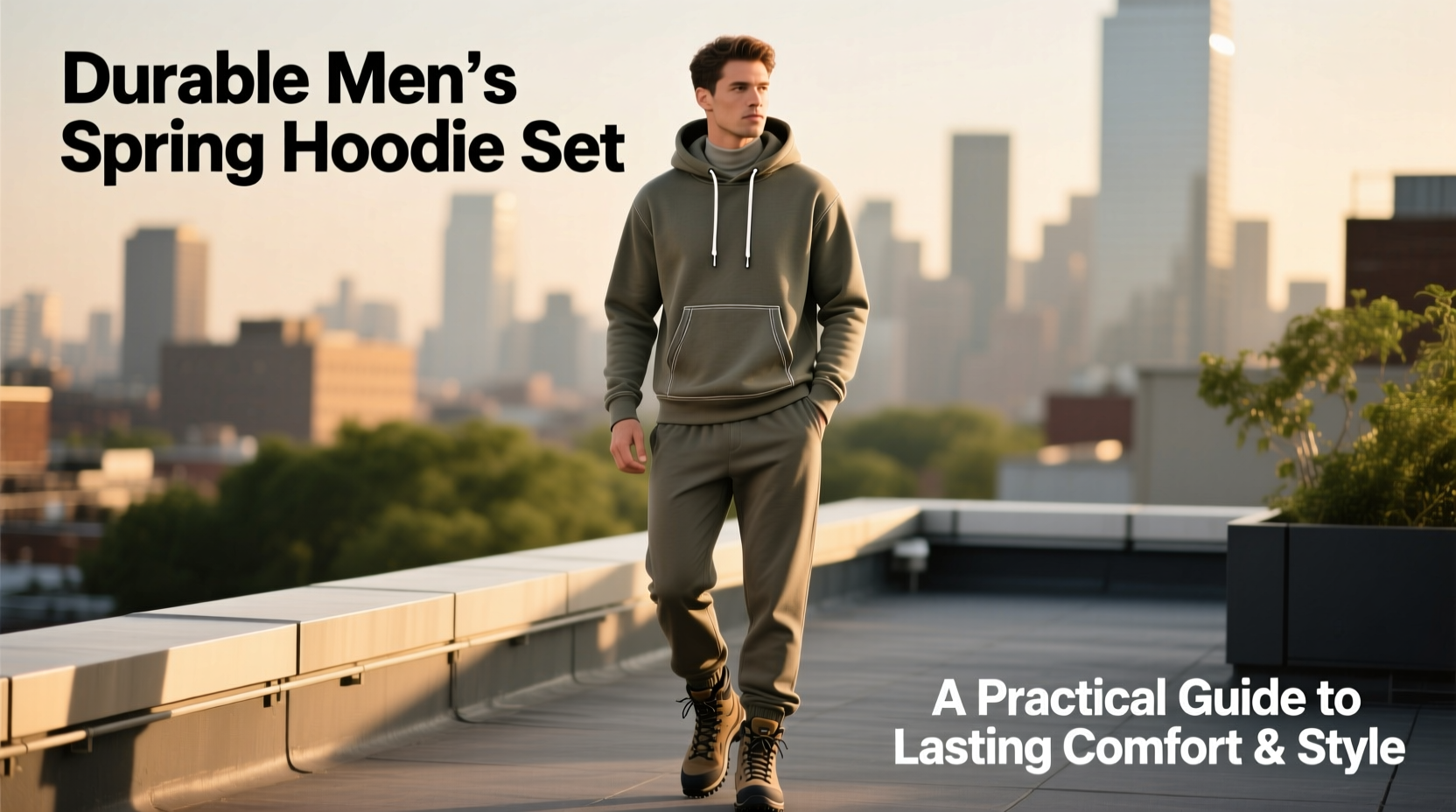
Spring weather is unpredictable. One day may call for light layers; the next demands wind resistance and moisture management. A well-made hoodie set adapts to these shifts without sacrificing longevity. Unlike fast-fashion alternatives that prioritize low cost over quality, durable sets use reinforced stitching, premium fabrics, and design details that withstand friction, stretching, and repeated laundering.
Durability isn’t just about surviving wear—it’s about maintaining appearance. A hoodie that retains its color, resists pilling, and holds its fit after months of use offers better value and reduces environmental impact by minimizing replacements.
“Durability starts with intention. When brands engineer garments for long-term wear—not just initial appeal—they create pieces that become wardrobe anchors.” — Marcus Tran, Apparel Design Consultant
Key Features of a Long-Lasting Hoodie Set
To identify a high-quality hoodie set, focus on these core components:
- Fabric Composition: Look for blends with at least 70% cotton and reinforced with polyester (20–30%) for strength and shape retention. Organic cotton with recycled polyester options offer sustainability benefits without compromising resilience.
- Weave Density: Heavyweight fleece (ranging from 280–320 GSM) provides structure and warmth without overheating in mild spring conditions.
- Flatlock or Triple-Stitched Seams: These prevent seam separation during movement and washing. Flatlock seams also reduce chafing, enhancing comfort.
- Reinforced Stress Points: Areas like underarms, hood gussets, and crotch seams should have extra stitching or fabric overlays.
- Functional Drawstrings and Zippers: Metal or heavy-duty plastic zippers resist jamming. Drawcords with aglets (plastic tips) prevent fraying.
- Anti-Pill Finish: Some manufacturers apply treatments or use combed yarns to reduce surface fuzzing over time.
Material Comparison: What Works Best for Spring
| Material | Pros | Cons | Best For |
|---|---|---|---|
| Cotton-Polyester Blend (70/30) | Breathable, soft, resists shrinking, dries faster than pure cotton | Less eco-friendly if synthetic content is virgin polyester | Daily wear, moderate activity |
| Organic Cotton + Recycled Polyester | Sustainable, durable, moisture-wicking | Higher price point | Eco-conscious buyers, frequent use |
| Tencel™-Cotton Blend | Soft, anti-odor, biodegradable | Less abrasion-resistant; best for lighter use | Casual settings, warm climates |
| Heavyweight Fleece (300+ GSM) | Warm, structured, long-lasting | May overheat in late spring | Early spring, cooler regions |
How to Care for Your Hoodie Set to Maximize Lifespan
Even the sturdiest hoodie set will degrade prematurely without proper care. Washing and drying habits significantly affect fabric integrity and colorfastness.
- Wash Inside Out: This protects the outer surface from abrasion and fading.
- Use Cold Water: Hot water can shrink cotton and break down elastic fibers.
- Select Gentle Cycle: Reduces stress on seams and fabric.
- Avoid Fabric Softeners: They coat fibers, reducing breathability and wicking ability over time.
- Air Dry Whenever Possible: Tumble drying degrades elasticity and causes pilling. Lay flat or hang dry to preserve shape.
- Store Clean and Folded: Hanging heavy fleece items can stretch shoulders and distort hoods.
Maintaining Color and Texture Over Time
Color fading and pilling are common issues with repeated laundering. To minimize both:
- Wash with similar colors and avoid overloading the machine.
- Use a mesh laundry bag to reduce friction.
- Remove pills gently with a fabric shaver—don’t pull them by hand.
- Choose reactive-dye treated garments when possible; they bond more permanently with fibers.
Real-World Example: One Man’s 18-Month Hoodie Journey
Jared M., a landscape photographer based in Oregon, relies on his hoodie sets for early-morning shoots and variable coastal weather. Last spring, he purchased two nearly identical sets—one from a premium workwear brand and another from a popular fast-fashion retailer. Both were labeled “cotton-polyester blend” and priced within $20 of each other.
After 18 months and weekly use, the differences were stark. The budget set showed significant pilling on the sleeves and torso, the drawstring had unraveled, and the waistband lost elasticity. In contrast, the premium set retained its shape, color, and softness. Jared attributes the difference to double-stitched side seams, heavier GSM fabric, and a care label that specified cold washing—guidelines he followed diligently.
“I thought I was saving money,” Jared said. “But replacing the cheaper one twice cost more and created more waste. Now I invest once and expect years, not months.”
Buying Checklist: How to Choose a Durable Spring Hoodie Set
Before purchasing, ask yourself these questions—or verify them via product specs:
- ✅ Is the fabric weight at least 280 GSM?
- ✅ Does it use reinforced stitching (flatlock or triple-stitch)?
- ✅ Are zippers metal or heavy-duty plastic?
- ✅ Is the cotton organic or blended with recycled polyester?
- ✅ Does the brand provide detailed care instructions?
- ✅ Can I return it if quality doesn’t meet expectations?
- ✅ Is there a warranty or durability guarantee?
Common Pitfalls to Avoid
Even informed buyers make mistakes when selecting casual wear. Watch out for these red flags:
- Vague Fabric Descriptions: Phrases like “soft blend” or “premium material” without percentages lack transparency.
- Overly Low Prices: A full hoodie set under $40 often indicates thin fabric and minimal stitching.
- Lack of Size Consistency: Poor pattern grading leads to awkward fits that strain seams during wear.
- No Care Label Details: Absence of washing symbols suggests the manufacturer didn’t prioritize longevity.
FAQ
Can I wear a durable hoodie set beyond spring?
Yes. Many high-quality sets function as transitional layers year-round. In summer, use the hoodie as AC protection; in winter, layer under a jacket. Breathable, mid-weight fleece adapts well across seasons.
Are expensive hoodie sets worth the investment?
If worn regularly, yes. A $120 set lasting three years costs about $1 per week. A $50 set replaced annually costs $52 per year—more over time—and generates additional environmental waste.
How many hoodie sets should a man own?
Two to three well-made sets are sufficient for rotation. This allows proper airing between wears and reduces laundry frequency, extending overall lifespan.
Final Thoughts: Style That Endures
A durable men’s spring hoodie set isn’t just about comfort—it’s a statement of intention. Choosing quality over quantity means embracing slow fashion: valuing craftsmanship, functionality, and personal expression that lasts. With the right materials, construction, and care routine, your hoodie set can remain a trusted companion through countless mornings, workouts, travels, and casual outings.
Style evolves, but substance endures. When you invest in a hoodie set built to last, you’re not just dressing for today—you’re preparing for seasons of reliable wear ahead.




 浙公网安备
33010002000092号
浙公网安备
33010002000092号 浙B2-20120091-4
Comments
No comments yet. Why don't you start the discussion?