
Fleas are more than just a nuisance—they can cause discomfort, allergic reactions, and even transmit diseases to your dog. While chemical treatments dominate the market, many pet owners are turning to natural alternatives that are gentler on their pets and the environment. The good news is that several plant-based, non-toxic strategies can effectively reduce and prevent flea infestations when used consistently and correctly.
Natural doesn’t always mean instantly effective or effortless. Success lies in understanding flea biology, maintaining consistency, and combining multiple approaches. This guide outlines scientifically supported, veterinarian-approved natural methods that prioritize your dog’s health while targeting fleas at every stage of their life cycle.
Understanding Fleas: Why Natural Control Takes Strategy
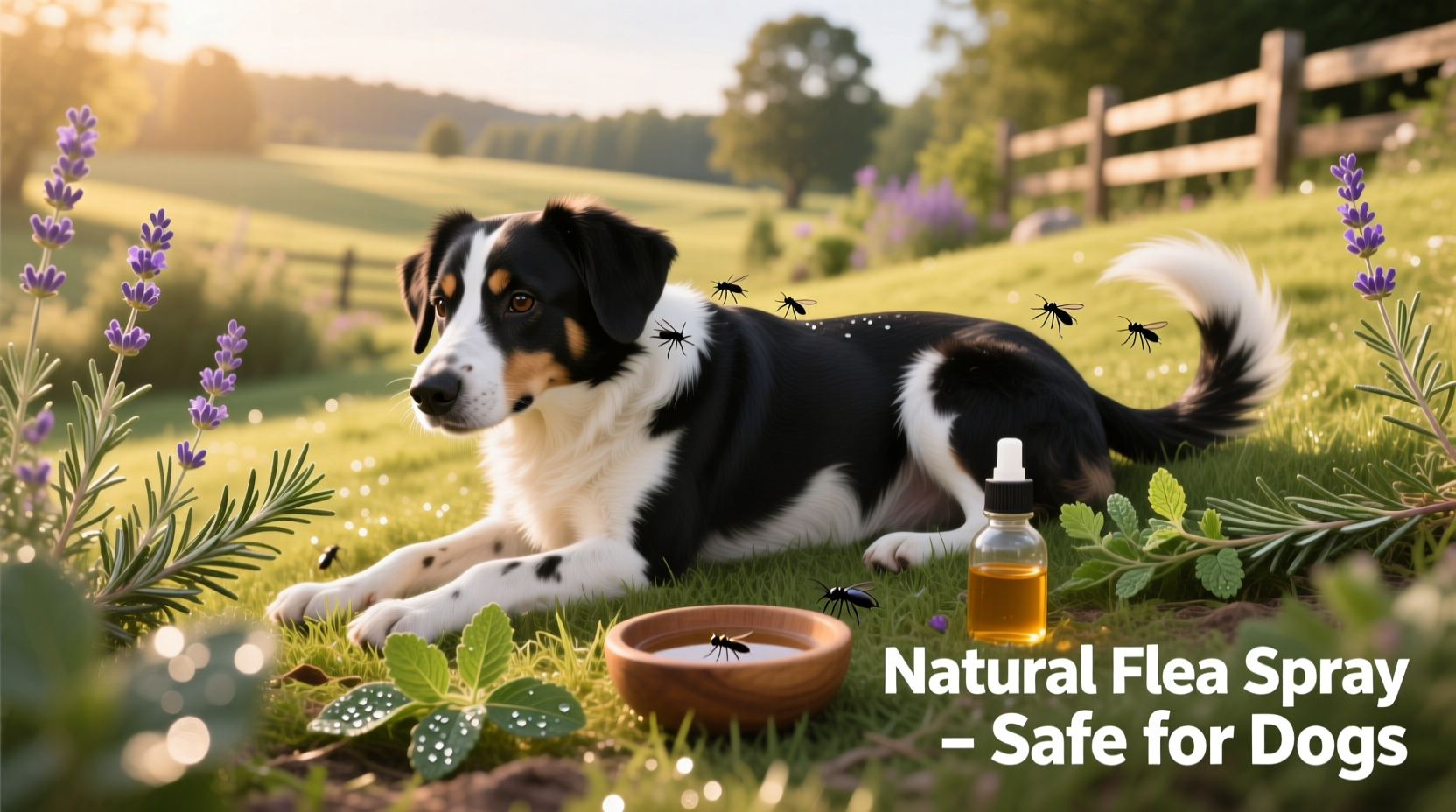
Fleas reproduce rapidly. A single female can lay up to 50 eggs per day, which fall off your dog into carpets, bedding, and furniture. Only about 5% of the flea population exists as adults on your pet—the rest are eggs, larvae, and pupae in the environment. That means treating your dog alone won’t solve the problem.
Natural flea control must address both the host (your dog) and the habitat (your home and yard). It requires patience—results may take 4–8 weeks—but avoids exposing your pet to synthetic pesticides like fipronil or imidacloprid, which some dogs react poorly to.
“Natural flea management isn’t about quick fixes—it’s about creating an inhospitable environment for fleas while supporting your dog’s skin health.” — Dr. Rebecca Nguyen, Holistic Veterinarian
Safe and Effective Natural Treatments for Your Dog
The following methods have demonstrated efficacy through anecdotal evidence, veterinary observation, and limited scientific study. Always patch-test new substances on a small area of your dog’s skin to rule out sensitivities.
1. Apple Cider Vinegar (ACV) Spray
ACV alters the pH of your dog’s skin and coat, making it less appealing to fleas. Mix equal parts raw, unfiltered ACV and water in a spray bottle. Lightly mist your dog’s coat—avoiding eyes, nose, and open wounds—before walks or every other day during flea season.
2. Herbal Flea-Repellent Sprays
Certain essential oils repel fleas due to their strong aromatic compounds. However, many essential oils are toxic to dogs if misused. Safe options include diluted neem oil, citronella, lavender, and eucalyptus—but always dilute properly (1–2 drops per ounce of carrier oil or water).
A simple DIY spray:
- 1 cup distilled water
- 1 tbsp witch hazel (natural dispersant)
- 10 drops lavender essential oil
- 5 drops cedarwood essential oil
3. Regular Grooming with a Flea Comb
A fine-toothed flea comb is one of the most effective mechanical tools. Comb your dog daily, especially around the neck, tail base, and underbelly. Dip the comb in soapy water after each pass to drown captured fleas.
Environmental Control: Breaking the Flea Life Cycle
Even the best topical treatment fails if your home remains a breeding ground. Focus on disrupting the flea lifecycle where they thrive.
Wash Bedding in Hot Water Weekly
Flea eggs and larvae cling to fabrics. Wash all dog bedding, blankets, and plush toys in hot water (at least 130°F) weekly. Dry on high heat for at least 20 minutes to kill remaining pests.
Vacuum Strategically
Vacuum carpets, rugs, and furniture daily during active infestations. Pay attention to crevices and under furniture. After vacuuming, dispose of the bag or empty the canister immediately—fleas can escape from vacuum debris.
Use Diatomaceous Earth (Food Grade)
Diatomaceous earth (DE) is a fine powder made from fossilized algae. It dehydrates fleas on contact but is safe for mammals when used correctly. Sprinkle food-grade DE on carpets, baseboards, and pet bedding. Leave for 12–24 hours before vacuuming.
Step-by-Step 4-Week Natural Flea Elimination Plan
This timeline combines treatment and prevention across multiple fronts:
- Week 1: Bathe your dog with a gentle, soap-based shampoo (like castile soap). Begin daily combing. Spray ACV mixture on coat. Wash all bedding. Apply DE to carpets and let sit overnight before vacuuming.
- Week 2: Introduce herbal spray (after patch test). Continue combing and washing bedding. Reapply DE if needed. Inspect furniture and treat with steam if possible.
- Week 3: Monitor for reduced scratching. Maintain all routines. Check yard—if accessible, spread nematodes (beneficial microbes that eat flea larvae) in shaded, moist areas.
- Week 4: Reduce DE applications. Transition to weekly laundering and bi-weekly spraying. Continue combing to catch stragglers.
After four weeks, maintain preventive measures monthly during peak flea season (spring through fall).
Do’s and Don’ts of Natural Flea Control
| Do’s | Don’ts |
|---|---|
| Use only food-grade diatomaceous earth | Use pool-grade DE (toxic if inhaled) |
| Dilute essential oils properly (1–2 drops per oz carrier) | Apply undiluted essential oils directly to skin |
| Wash bedding weekly in hot water | Ignore soft furnishings and car interiors |
| Comb your dog daily with a flea comb | Rely solely on one method |
| Consult your vet before starting any regimen | Use citrus-based sprays on cats (toxic to felines) |
Mini Case Study: Bella, the Golden Retriever
Bella, a 3-year-old golden retriever, developed intense itching and redness every summer. Her owner, Sarah, noticed small black specks in her fur—flea dirt. Instead of reaching for a prescription spot-on treatment, Sarah consulted her holistic vet and began a natural protocol.
She started by bathing Bella in castile soap, then applied an ACV-water spray daily. She washed all bedding weekly and applied food-grade DE to her carpets twice a week. Within three weeks, scratching decreased significantly. By week six, no fleas were found during combing. Sarah now uses a lavender-cedarwood spray monthly as a preventive measure during warm months—with no recurrence.
Frequently Asked Questions
Can I use lemon juice to repel fleas?
Lemon juice contains limonene, a natural insect repellent. You can make a weak lemon spray by boiling slices in water, cooling, and applying lightly to your dog’s coat. However, citrus can irritate sensitive skin, so use sparingly and avoid sun exposure afterward, as it increases photosensitivity.
Are natural methods safe for puppies?
Many natural methods are safe for puppies over 8 weeks old, but extra caution is needed. Avoid essential oils entirely for very young puppies. Stick to gentle combing, mild soap baths, and environmental cleaning. Always consult your vet before starting any treatment on a puppy.
How long does it take to get rid of fleas naturally?
Due to the flea life cycle, complete elimination typically takes 4–8 weeks. Eggs hatch over time, so consistent effort is crucial. Skipping a week of vacuuming or spraying can lead to reinfestation. Patience and diligence yield the best results.
Final Checklist for Natural Flea Success
- ✅ Bathe your dog with mild, soap-based shampoo
- ✅ Use a flea comb daily and dip in soapy water
- ✅ Spray diluted ACV or herbal repellents 2–3 times per week
- ✅ Wash all pet bedding in hot water weekly
- ✅ Vacuum carpets and furniture thoroughly and frequently
- ✅ Apply food-grade diatomaceous earth to high-risk areas
- ✅ Treat outdoor areas with beneficial nematodes if needed
- ✅ Monitor your dog’s skin and behavior for improvement
Conclusion: A Healthier Approach to Flea Management
Eliminating fleas naturally is not only possible—it can be a safer, more sustainable choice for your dog’s long-term health. By combining grooming, natural repellents, and environmental hygiene, you create a comprehensive defense against infestation. These methods minimize chemical exposure while fostering a cleaner, more comfortable living space for your pet.




 浙公网安备
33010002000092号
浙公网安备
33010002000092号 浙B2-20120091-4
Comments
No comments yet. Why don't you start the discussion?