
Foot calluses are thickened areas of skin that develop in response to repeated pressure or friction, commonly forming on the soles, heels, or sides of the feet. While they’re a natural protective mechanism, excessive buildup can become uncomfortable, unsightly, or even painful. Many people turn to expensive salon treatments or risky DIY cuts, but with the right knowledge, you can safely manage and reduce calluses at home. This guide outlines proven, dermatologist-supported strategies that prioritize both effectiveness and safety.
Understanding Calluses: What They Are and Why They Form
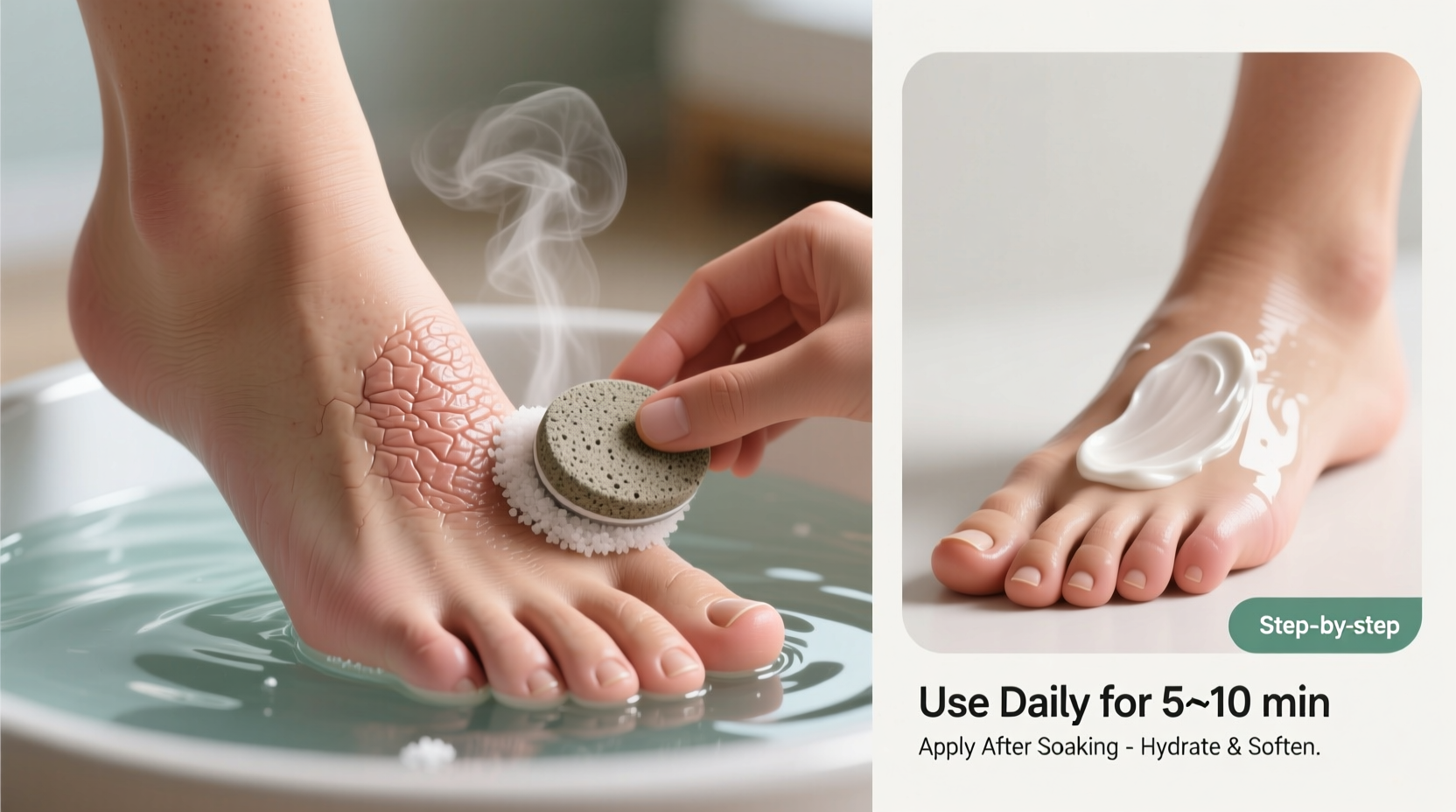
Calluses form when the skin reacts to ongoing mechanical stress. Unlike corns, which are smaller and often have a central core, calluses are broader, flatter, and typically appear on weight-bearing areas. Common causes include ill-fitting shoes, walking barefoot frequently, high-impact activities like running, or structural foot issues such as flat feet or bunions.
The stratum corneum—the outermost layer of skin—thickens over time as a defense mechanism. While mild calluses may not require treatment, those causing discomfort or cracking should be addressed carefully. Aggressive scraping or cutting at home can lead to infection or injury, especially for individuals with diabetes or poor circulation.
“Home care for calluses should focus on gentle exfoliation and moisture retention. Avoid sharp instruments unless under medical supervision.” — Dr. Lena Torres, Podiatrist and Foot Health Specialist
Safe and Effective Home Removal Techniques
Removing calluses at home doesn’t require harsh chemicals or professional tools. The key is consistency, patience, and using methods that support skin health rather than damaging it. Below is a step-by-step timeline you can follow weekly to gradually soften and reduce callus buildup.
Step-by-Step Guide to Softening and Removing Calluses
- Soak your feet in warm, soapy water for 15–20 minutes. Adding Epsom salt (½ cup) helps soften skin and reduce inflammation.
- Gently exfoliate using a pumice stone, foot file, or soft foot scrubber. Use circular motions with light pressure—never force removal.
- Rinse and dry thoroughly, especially between toes, to prevent fungal growth.
- Apply a keratolytic moisturizer containing urea (10–20%), salicylic acid (up to 5%), or lactic acid. These ingredients help break down dead skin cells over time.
- Wear cotton socks overnight to lock in moisture and enhance product absorption.
- Repeat 2–3 times per week until desired results are achieved, then maintain with weekly sessions.
Recommended Products and Natural Alternatives
While commercial foot creams are widely available, some natural remedies can complement your routine when used correctly. However, avoid unverified hacks like lemon juice or vinegar soaks without dilution—they can irritate sensitive or cracked skin.
| Method | How It Works | Safety Notes |
|---|---|---|
| Urea-based creams (e.g., 10% urea) | Breaks down keratin, deeply hydrates | Safe for daily use; ideal for dry, cracked heels |
| Pumice stone | Mechanical exfoliation | Use gently; never on broken skin |
| Salicylic acid pads (5%) | Dissolves dead skin layers | Avoid prolonged use; patch test first |
| Coconut oil + sugar scrub | Natural exfoliant with moisturizing benefits | Use only after soaking; discontinue if irritation occurs |
| Apple cider vinegar soak (diluted 1:2 with water) | Acidity helps soften calluses | Limited to 10-minute soaks; rinse well afterward |
Common Mistakes That Worsen Calluses
Even with good intentions, many people unknowingly aggravate their condition. Here are frequent errors to avoid:
- Using razors or blades: High risk of cuts, infections, and uneven removal.
- Skipping moisturizer: Dry skin rebuilds faster; hydration slows recurrence.
- Wearing tight or rigid shoes: Increases pressure points where calluses form.
- Over-exfoliating: Can damage healthy skin and trigger more thickening.
- Ignoring foot alignment issues: Conditions like hammertoes or fallen arches need supportive footwear.
Real-Life Example: Managing Calluses After Starting a Walking Routine
Sarah, a 42-year-old office worker, began walking 5 miles daily to improve her fitness. Within six weeks, she noticed hard, yellow patches forming under her heels and along the ball of her left foot. Initially embarrassed, she tried peeling the skin off in the shower, which led to soreness and minor bleeding.
After consulting a podiatrist, she adopted a structured home plan: soaking her feet three times a week, using a urea cream nightly, and switching to cushioned walking shoes with orthotic inserts. Within two months, the calluses had significantly softened and reduced in size. She now maintains her results with biweekly care and proper footwear, reporting improved comfort and confidence.
Essential Checklist for Safe Callus Care
Follow this checklist to ensure you're treating your calluses effectively and safely:
- ✅ Soak feet before any physical exfoliation
- ✅ Use a pumice stone or foot file—not a blade
- ✅ Apply a moisturizer with urea, lactic acid, or shea butter daily
- ✅ Wear properly fitted shoes with adequate cushioning
- ✅ Inspect feet regularly for cracks, redness, or signs of infection
- ✅ Replace foot care tools monthly to prevent contamination
- ✅ Stop immediately if pain, bleeding, or irritation occurs
Frequently Asked Questions
Can I remove a callus in one day?
No, safe callus removal takes time. Attempting rapid removal increases the risk of injury. Most effective results occur over several weeks with consistent care.
Is it safe to use salicylic acid on calluses?
Yes, when used as directed. Over-the-counter pads or creams with up to 5% salicylic acid are generally safe for healthy adults. However, do not use on open wounds or if you have diabetes or neuropathy.
When should I see a doctor for foot calluses?
Seek professional help if the callus is painful, bleeding, infected (red, swollen, pus), or recurring despite home care. People with diabetes or circulatory issues should always consult a healthcare provider before attempting self-treatment.
Prevention: The Best Long-Term Strategy
The most effective way to deal with calluses is to prevent them from forming in the first place. Choose footwear with wide toe boxes, shock-absorbing soles, and proper arch support. Consider gel insoles or silicone toe sleeves if you're prone to pressure spots. Moisturize your feet daily, even when no calluses are present, to maintain skin elasticity and resilience.
Additionally, trim toenails regularly to avoid altered gait patterns that shift pressure to other areas of the foot. If you stand for long periods, take breaks to stretch your calves and feet, promoting circulation and reducing stiffness.
Final Thoughts: Consistency Beats Quick Fixes
Effective and safe callus removal isn't about drastic measures—it's about consistent, intelligent care. By combining gentle exfoliation, targeted moisturization, and preventive habits, you can maintain smoother, healthier feet without risking injury. Remember, your skin responds best to gradual change, not aggressive intervention.




 浙公网安备
33010002000092号
浙公网安备
33010002000092号 浙B2-20120091-4
Comments
No comments yet. Why don't you start the discussion?