
Rust stains in the toilet bowl are a common household issue, especially in areas with hard or iron-rich water. These reddish-brown discolorations not only look unsightly but can also become stubborn if left untreated. While many commercial cleaners rely on bleach or strong acids, these chemicals can damage porcelain, harm septic systems, and pose health risks. Fortunately, several natural, non-toxic alternatives effectively break down rust without compromising safety or cleanliness.
The key to removing rust lies in understanding its cause: iron oxidation. When water high in dissolved iron sits in the bowl, it reacts with oxygen, forming iron oxide—the same compound that gives rust its color. The goal is to dissolve this compound gently using acidic yet safe substances found in most kitchens. With consistent application and proper technique, even years-old stains can be lifted safely and efficiently.
Why Avoid Harsh Chemicals?
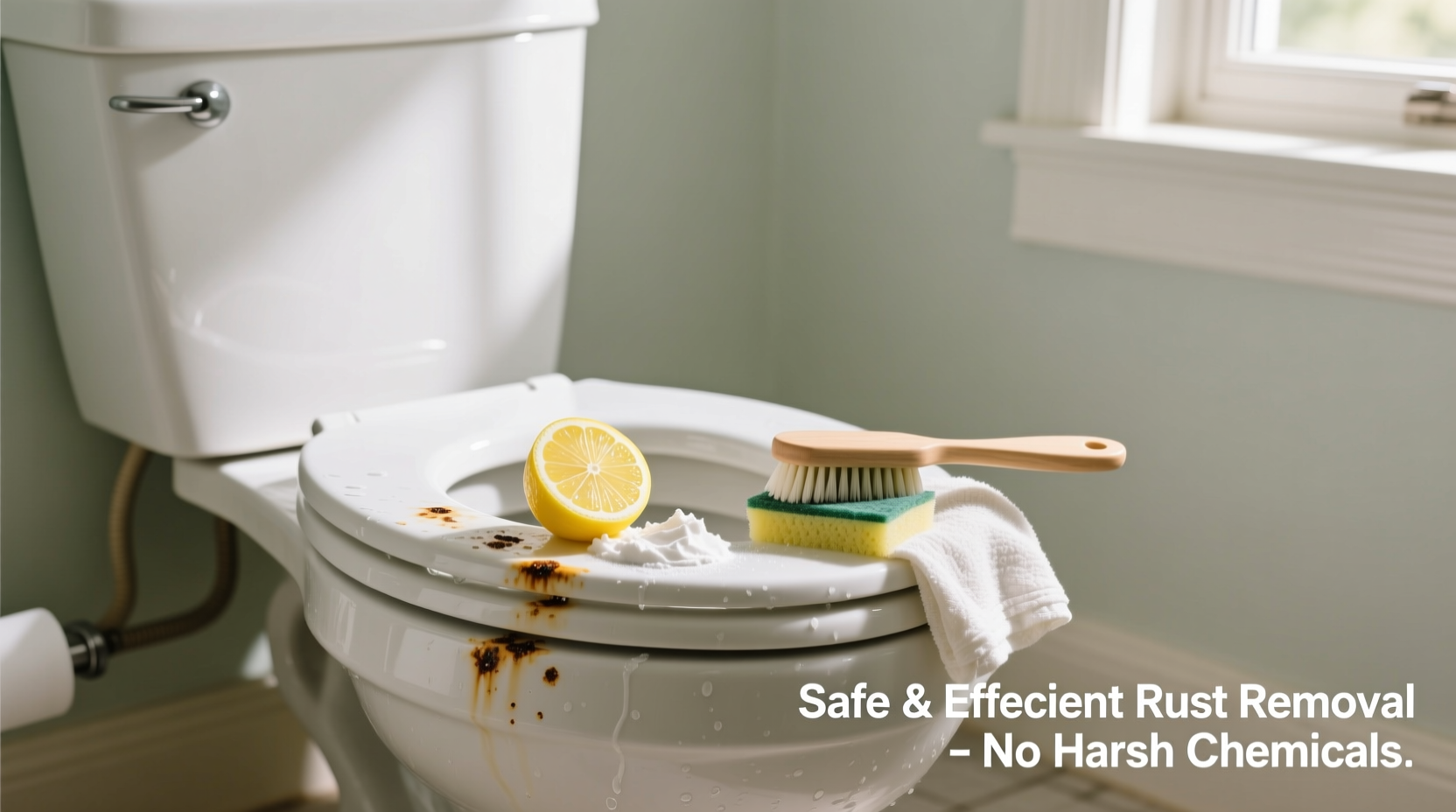
Traditional rust removers often contain hydrochloric (muriatic) acid or chlorine bleach. While effective, these substances carry significant downsides:
- Porcelain damage: Strong acids erode the glaze over time, making surfaces more prone to future staining.
- Respiratory irritation: Fumes from bleach and muriatic acid can trigger asthma or cause dizziness.
- Environmental impact: Toxic runoff harms aquatic life and disrupts septic tank bacteria.
- Skin burns: Accidental contact can lead to chemical burns, especially in homes with children or pets.
Switching to gentler methods reduces risk while still delivering results. Natural acids like citric and oxalic acid (found in foods) are powerful enough to chelate iron molecules without degrading your plumbing or endangering your family.
Top 5 Natural Methods to Remove Rust Stains
The following techniques use common household items known for their mild acidity and abrasive qualities. Each method is safe for septic systems and won’t release harmful fumes when used as directed.
1. White Vinegar and Baking Soda Paste
Vinegar contains acetic acid, which dissolves mineral deposits, while baking soda acts as a gentle scrubbing agent.
- Pour one cup of white vinegar directly into the stained area.
- Sprinkle baking soda over the stain until it fizzes, forming a paste.
- Let sit for 30 minutes to an hour.
- Scrub with a toilet brush and flush.
For tougher stains, leave the mixture overnight. Repeat every few days if needed.
2. Lemon Juice and Salt Scrub
Lemons provide citric acid, a natural rust dissolver, and salt adds mild abrasion.
- Cut a lemon in half and dip the cut side into table or kosher salt.
- Scrub the rust-stained area vigorously with the lemon-salt combo.
- Let juice sit for 2–3 hours before flushing.
This method works best on surface-level stains and leaves a fresh scent behind.
3. Borax and Lemon Juice Soak
Borax (sodium borate) is a naturally occurring mineral with cleaning and buffering properties. Combined with lemon juice, it enhances acid activity.
- Mix ¼ cup borax with enough lemon juice to form a thick paste.
- Apply directly to rust spots using a sponge or cloth.
- Cover with plastic wrap to prevent drying; let sit 4–8 hours.
- Scrub and flush thoroughly.
Borax also helps inhibit mold and mildew growth between cleanings.
4. Potato and Dish Soap Method
A quirky but effective trick uses the oxalic acid in raw potatoes.
- Cut a potato in half and dip the cut end into dish soap.
- Rub the potato firmly over rust stains for several minutes.
- Leave the pieces in the bowl overnight.
- Flush in the morning and scrub any residue.
The enzymes in the potato react with iron oxide, gradually breaking it down.
5. Cream of Tartar and Hydrogen Peroxide Poultice
Cream of tartar (potassium bitartrate) is mildly acidic and excellent for lifting stains when combined with hydrogen peroxide.
- Mix two tablespoons of cream of tartar with enough hydrogen peroxide to make a paste.
- Apply to stains and cover with toilet paper to slow evaporation.
- Wait 2–4 hours, then scrub and flush.
This method is particularly useful for rings just below the waterline.
“Natural acids like citric and oxalic are proven chelators of iron ions. They’re safer than muriatic acid and just as effective with repeated use.” — Dr. Lena Reyes, Environmental Chemist at Green Home Institute
Do’s and Don’ts of Rust Stain Removal
| Do’s | Don’ts |
|---|---|
| Use non-abrasive brushes to avoid scratching porcelain. | Never mix vinegar with bleach—it creates toxic chlorine gas. |
| Allow solutions to dwell long enough to penetrate stains. | Avoid steel wool or metal scrubbers that can scratch or rust further. |
| Wear gloves to protect skin, even with natural products. | Don’t ignore recurring stains—they may signal high iron in your water supply. |
| Rinse thoroughly after treatment to prevent residue buildup. | Don’t use undiluted essential oils—they can damage seals and gaskets. |
Real Example: How Sarah Fixed Her Basement Bathroom
Sarah, a homeowner in rural Pennsylvania, struggled with persistent rust rings in her guest bathroom toilet. The house uses well water, which tests showed had elevated iron levels (over 1.5 ppm). She initially tried bleach-based cleaners, but the stains returned within days and the bowl began showing fine cracks near the rim.
After consulting a local water specialist, she switched to a weekly maintenance routine using vinegar and baking soda. She pours one cup of vinegar into the bowl before bedtime and lets it sit overnight. On weekends, she applies a lemon-salt scrub to visible stains. Within three weeks, the rust disappeared. To prevent recurrence, she installed an inexpensive iron filter on her well line, reducing iron content to under 0.3 ppm.
“I was shocked how well vinegar worked,” she said. “And I no longer worry about my kids breathing in fumes when I clean.”
Prevention Checklist
Removing stains is important, but preventing them saves time and effort. Follow this checklist to keep your toilet rust-free:
- ✅ Clean your toilet at least once a week with natural acid solutions.
- ✅ Install a water softener or iron filter if your water has >0.3 ppm iron.
- ✅ Flush regularly—even unused toilets can develop stains from stagnant water.
- ✅ Keep the bowl dry when possible (e.g., after deep cleaning).
- ✅ Use a dedicated toilet brush and replace it annually.
Frequently Asked Questions
How long does it take for natural methods to work?
Most treatments require 30 minutes to several hours of dwell time. Light stains may lift in one session; heavy buildup might need 3–5 applications over a week. Patience is key—natural solutions work gradually but safely.
Can I use these methods on colored or vintage toilets?
Yes, but proceed with caution. Older porcelain may have degraded glazing. Test any solution in an inconspicuous spot (like under the rim) and avoid prolonged exposure. Stick to shorter dwell times and gentler abrasives like baking soda.
What if the rust keeps coming back?
Recurring rust usually points to high iron content in your water supply. Consider testing your water. If iron exceeds 0.3 ppm, installing an iron filter or whole-house water treatment system will address the root cause, not just the symptom.
Final Thoughts: Clean Smarter, Not Harder
Rust stains don’t require dangerous chemicals to disappear. With ingredients already in your pantry, you can restore your toilet’s cleanliness while protecting your health and home. The methods outlined here are backed by chemistry, real-world use, and environmental responsibility. What matters most isn’t the strength of the cleaner, but consistency and understanding the source of the problem.




 浙公网安备
33010002000092号
浙公网安备
33010002000092号 浙B2-20120091-4
Comments
No comments yet. Why don't you start the discussion?