
Waking up to puffy, swollen eyes is a common concern that affects people of all ages. Whether caused by lack of sleep, allergies, fluid retention, or irritation, eye swelling can be both uncomfortable and unsightly. While commercial treatments exist, many prefer natural, accessible solutions they can apply at home. The good news is that several time-tested remedies—supported by medical professionals—can significantly reduce eye puffiness in as little as 10–20 minutes. This guide provides practical, science-backed strategies to soothe and decongest the delicate skin around your eyes safely and effectively.
Understanding the Causes of Eye Swelling
The skin around the eyes is the thinnest on the body, making it highly sensitive to inflammation, fluid buildup, and environmental triggers. Common causes of eye swelling include:
- Allergies: Pollen, dust, pet dander, or cosmetics can trigger histamine release, leading to inflammation.
- Fluid retention: High sodium intake, hormonal changes, or lying flat for extended periods cause fluid to pool under the eyes.
- Lack of sleep: Poor rest disrupts circulation and lymphatic drainage, increasing puffiness.
- Aging: As collagen diminishes, fat pads beneath the eyes may shift forward, creating a perpetually swollen appearance.
- Infections: Conditions like styes, conjunctivitis, or blepharitis require medical attention but often begin with noticeable swelling.
Identifying the root cause helps determine whether a quick remedy will suffice or if professional evaluation is needed. For mild, non-medical swelling, home interventions are often sufficient and highly effective.
Natural Remedies That Work Fast
Many household items double as effective anti-inflammatory agents. These remedies work by constricting blood vessels, reducing fluid accumulation, or calming irritated tissues.
Cold Compress Therapy
One of the fastest ways to reduce swelling is applying cold to the area. Cold temperatures cause vasoconstriction, which limits blood flow and minimizes fluid leakage into surrounding tissues.
- Wrap a few ice cubes in a clean cloth or use a chilled spoon from the freezer.
- Close your eyes and gently press the cold surface against each eyelid for 5–10 minutes.
- Repeat every hour as needed, especially in the morning.
For convenience, reusable gel eye masks stored in the refrigerator offer consistent cooling without dripping water.
Cucumber Slices
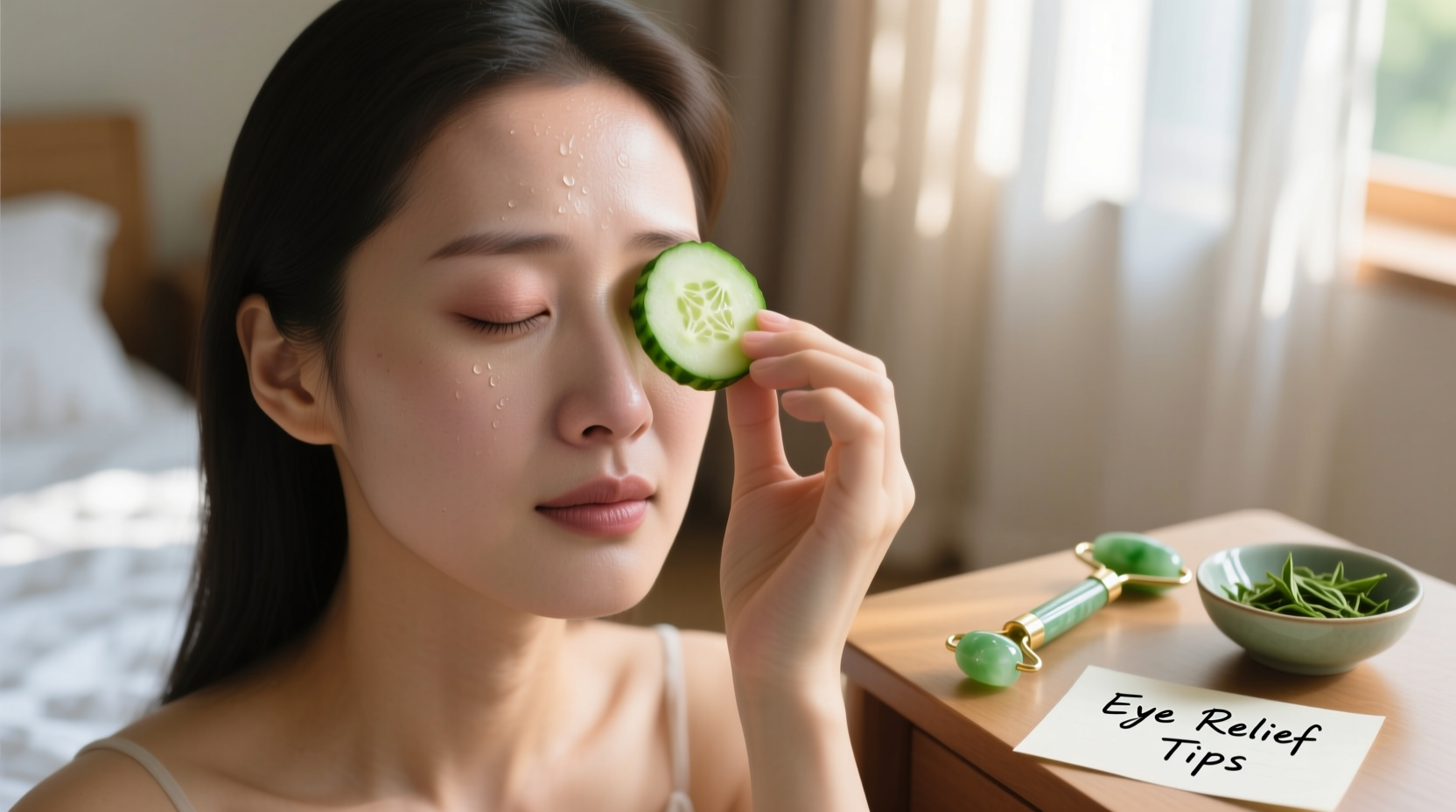
Cucumbers contain antioxidants and flavonoids that reduce oxidative stress and inflammation. Their high water content also cools and hydrates the skin.
Place two thickly cut, refrigerated cucumber slices over closed eyes for 15 minutes. The mild tannins help tighten skin and draw out excess fluid.
Tea Bags (Green or Black)
Both green and black tea contain caffeine and tannins, which constrict blood vessels and reduce puffiness. Caffeine also has a mild diuretic effect locally.
- Brew two tea bags in hot water, then chill them in the refrigerator for 10–15 minutes.
- Place one bag over each eye and relax for 10–15 minutes.
- Rinse gently with cool water afterward.
Used tea bags should be discarded after one application to prevent bacterial contamination.
Spoon Method
A simple yet effective trick: place metal spoons in the freezer for 10–15 minutes, then lay the rounded side over each eye. The cold metal reduces swelling rapidly and conforms well to the eye’s shape.
“Cold application is the first-line approach for acute eye puffiness. It’s safe, immediate, and leverages the body’s natural response to temperature.” — Dr. Lena Patel, Board-Certified Dermatologist
Step-by-Step Guide: Morning Routine for Puff-Free Eyes
Follow this 15-minute routine upon waking to combat overnight fluid accumulation:
- Hydrate: Drink a full glass of water to kickstart kidney function and flush retained fluids.
- Wash face: Use a gentle cleanser to remove oils and allergens without irritating the eye area.
- Apply cold compress: Use chilled spoons or a damp washcloth from the fridge for 5 minutes.
- Use eye cream: Apply a lightweight formula containing caffeine, hyaluronic acid, or peptides with your ring finger (least pressure).
- Elevate head: Sleep with an extra pillow to prevent fluid pooling overnight.
Do’s and Don’ts: Managing Eye Swelling
| Do | Don’t |
|---|---|
| Use cold therapy within the first 24 hours of swelling | Apply heat to fresh puffiness (can worsen inflammation) |
| Limit salt intake, especially before bedtime | Consume excessive processed foods high in sodium |
| Use fragrance-free, hypoallergenic skincare products | Apply heavy creams or oils directly on eyelids |
| Get 7–9 hours of quality sleep nightly | Sleep face-down, which increases fluid retention |
| Stay hydrated throughout the day | Drink large amounts of alcohol or caffeine before bed |
When to See a Doctor
While most eye swelling resolves with home care, certain symptoms indicate a need for medical evaluation:
- Swelling lasting more than 48 hours despite treatment
- Pain, redness, or vision changes
- Signs of infection (pus, crusting, fever)
- Swelling affecting only one eye persistently
- History of thyroid disease or kidney issues
Chronic puffiness may point to underlying conditions such as hypothyroidism, allergies, or renal dysfunction. A healthcare provider can perform tests and recommend appropriate treatment.
Frequently Asked Questions
Can drinking more water really help reduce eye puffiness?
Yes. Dehydration signals the body to retain water, including in facial tissues. Consistent hydration supports kidney function and reduces overall fluid retention, helping minimize puffiness over time.
Is it safe to use toothpaste under the eyes to reduce swelling?
No. Toothpaste contains ingredients like menthol, fluoride, and sodium lauryl sulfate that can severely irritate the delicate eye area. This outdated hack can cause redness, burning, and even chemical burns. Stick to proven, gentle remedies instead.
How long does it take for home remedies to work?
Most cold-based treatments show visible improvement within 10–20 minutes. Herbal compresses or dietary adjustments may take several hours to a day for full effect, depending on the cause.
Expert-Backed Prevention Checklist
Preventing eye swelling is often more effective than treating it. Follow this daily checklist to maintain a refreshed appearance:
- ✅ Limit evening salt intake (avoid chips, canned soups, soy sauce)
- ✅ Elevate your head while sleeping
- ✅ Remove eye makeup thoroughly before bed
- ✅ Wear wraparound sunglasses outdoors to block allergens
- ✅ Use a humidifier in dry environments to prevent skin dehydration
- ✅ Manage seasonal allergies with antihistamines if needed
- ✅ Apply sunscreen daily—UV damage weakens skin support structures
Real-Life Example: Reducing Allergy-Induced Swelling
Sarah, a 34-year-old teacher, experienced recurring morning eye puffiness during spring. After ruling out infections, she realized her symptoms coincided with high pollen counts. She began placing chamomile tea bags in the fridge each night and applied them within 10 minutes of waking. She also started taking a daily antihistamine and switched to fragrance-free laundry detergent. Within a week, her eye swelling decreased significantly, and she reported feeling more alert and confident. Her experience highlights how combining targeted remedies with lifestyle adjustments yields lasting results.
Conclusion: Take Control of Eye Health Naturally
Eye swelling doesn't have to disrupt your day or confidence. With simple, evidence-based techniques available in your kitchen or medicine cabinet, you can achieve rapid relief safely and affordably. From cold compresses to smart hydration habits, these remedies empower you to respond quickly and effectively. Remember, consistency matters—incorporating preventive practices into your routine ensures long-term benefits beyond temporary fixes.




 浙公网安备
33010002000092号
浙公网安备
33010002000092号 浙B2-20120091-4
Comments
No comments yet. Why don't you start the discussion?