
In today’s digital-first landscape, phone calls remain a critical touchpoint between businesses and customers. Despite the rise of chatbots and online forms, many consumers still prefer speaking directly with a representative—especially when making high-value decisions. Yet, too many companies treat inbound calls as isolated events rather than data-rich interactions. Without proper tracking and analysis, valuable insights into customer intent, campaign performance, and sales opportunities are lost.
Accurately tracking and analyzing incoming calls enables businesses to measure marketing ROI, refine customer service strategies, and identify conversion bottlenecks. From small local shops to national franchises, organizations that implement structured call analytics gain a competitive edge by turning voice conversations into actionable intelligence.
Why Call Tracking Matters in Modern Business
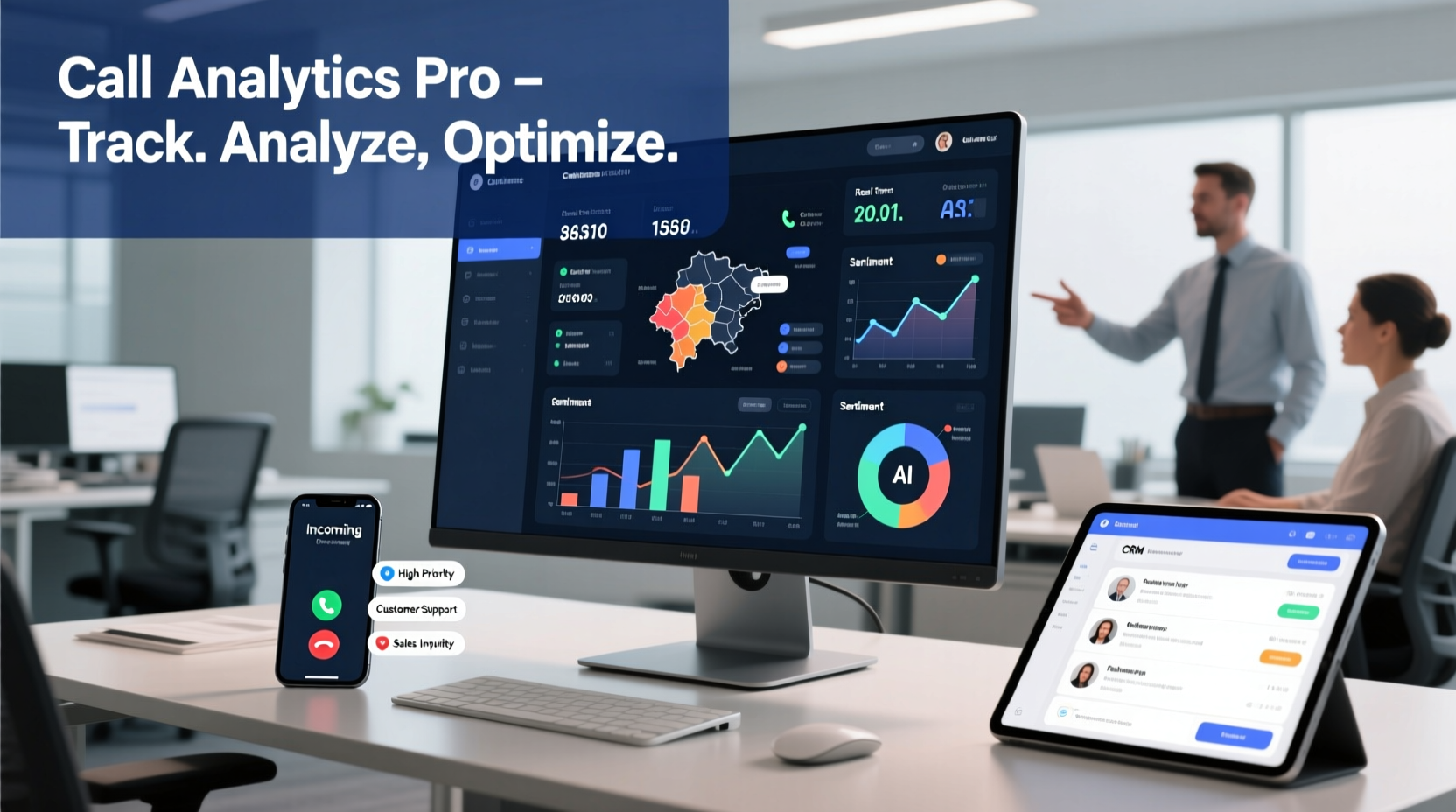
Phone calls often represent high-intent leads. A caller has already navigated through your website, seen an ad, or heard about your brand and decided to reach out directly. Unlike clicks or form submissions, calls typically signal a higher level of engagement and purchase readiness.
However, without tracking mechanisms, it's nearly impossible to determine which marketing efforts drove those calls. Did the caller see your Google Ads? Was it a social media post? Or perhaps a referral from a blog article? Without attribution, marketing budgets are allocated blindly.
Call tracking bridges this gap by linking each inbound call to its source. This allows businesses to:
- Measure the effectiveness of advertising campaigns
- Identify top-performing channels (e.g., SEO, PPC, offline ads)
- Train staff based on real customer interactions
- Improve lead response times and conversion rates
- Enhance customer experience through personalized follow-ups
“Businesses that track their calls see up to 30% more accurate ROI reporting across marketing channels.” — Sarah Lin, Director of Marketing Analytics at GrowthMetrics Inc.
Key Methods for Accurate Call Tracking
There are several proven approaches to track incoming calls, each suited to different business models and technical capabilities. The right method depends on your goals: Are you focused on digital attribution, team performance, or regional campaign tracking?
1. Dynamic Number Insertion (DNI)
DNI replaces static phone numbers on your website with unique, trackable numbers based on the visitor’s source. For example, a user arriving via a Google Ads campaign sees one number; someone from organic search sees another. These numbers are dynamically inserted using JavaScript, ensuring seamless integration without changing site design.
This method is ideal for businesses running multiple digital campaigns and wanting granular attribution data.
2. Static Call Tracking Numbers
Assign dedicated phone numbers to specific marketing channels—for instance, one number for radio ads, another for print brochures. While less precise than DNI, static tracking works well for offline campaigns where dynamic insertion isn’t feasible.
3. Call Tracking Software with Analytics Dashboards
Platforms like CallRail, Invoca, and DialogTech offer comprehensive solutions that combine number provisioning, call recording, keyword detection, and CRM integration. These tools provide real-time dashboards showing call volume, duration, geographic origin, and even sentiment analysis.
How to Analyze Call Data for Actionable Insights
Collecting call data is only half the battle. To extract value, you must analyze it systematically. Start by identifying key performance indicators (KPIs) relevant to your business objectives.
Essential Call Metrics to Monitor
| Metric | What It Measures | Why It Matters |
|---|---|---|
| Call Volume | Total number of inbound calls | Indicates overall demand and campaign reach |
| Average Call Duration | Length of each conversation | Longer calls may indicate higher engagement or unresolved issues |
| First-Time Caller Rate | Percentage of new vs. returning callers | Helps assess customer acquisition vs. retention success |
| Conversion Rate per Source | % of calls leading to sales/bookings | Reveals which channels deliver qualified leads |
| Missed Calls | Calls not answered or routed properly | Highlights staffing gaps or technical failures |
Transcription & Sentiment Analysis
Advanced platforms use AI-powered speech recognition to transcribe calls and detect emotional tone. This helps identify common objections, frequently asked questions, and agent performance trends. For example, if multiple callers express confusion about pricing, it may indicate a need to clarify messaging on your website.
Integration with CRM and Marketing Tools
To maximize impact, sync call data with your CRM (e.g., Salesforce, HubSpot) and marketing automation systems. When a call is logged alongside email history, past purchases, and web behavior, sales teams gain full context—leading to more personalized and effective follow-up.
Step-by-Step Guide to Implementing Call Tracking
Follow this six-step process to set up an effective call tracking system:
- Define Your Goals: Determine what you want to achieve—better ad ROI, improved customer service, or increased conversions.
- Select a Call Tracking Provider: Choose a platform that supports your required features (e.g., DNI, call recording, integrations).
- Map Marketing Channels: List all current and planned campaigns (PPC, SEO, TV, radio, etc.) to assign tracking numbers accordingly.
- Deploy Tracking Numbers: Implement dynamic or static numbers across digital and offline assets.
- Train Staff: Educate receptionists and sales reps on logging outcomes and handling tracked calls consistently.
- Review Reports Weekly: Monitor dashboards, adjust underperforming campaigns, and share insights with marketing and sales teams.
“Within three months of implementing call tracking, we discovered that our Facebook ads were generating twice as many sales calls as Google Ads—despite lower click volume. We shifted budget accordingly and saw a 40% increase in qualified leads.” — Mark Tran, Marketing Manager at HomeShield Insurance
Common Pitfalls to Avoid
Even well-intentioned call tracking initiatives can fail due to oversight. Watch out for these mistakes:
- Ignoring mobile users: Ensure tracking works seamlessly on mobile sites and landing pages.
- Not tagging all channels: If some sources lack tracking numbers, data becomes incomplete and misleading.
- Overlooking compliance: Always inform callers if their conversation is being recorded, especially in regions governed by GDPR or CCPA.
- Failing to act on insights: Collecting data without reviewing or acting on it defeats the purpose.
Checklist: Launching Your Call Tracking System
- ☐ Define primary KPIs (e.g., cost per lead, conversion rate)
- ☐ Research and select a reliable call tracking provider
- ☐ Generate unique tracking numbers for each major campaign
- ☐ Install tracking script on all relevant web pages
- ☐ Test number rotation across devices and traffic sources
- ☐ Integrate with CRM and analytics tools
- ☐ Establish a weekly review process for call reports
- ☐ Train customer-facing teams on call handling protocols
FAQ
Is call tracking legal?
Yes, call tracking is legal as long as you comply with privacy regulations. In most jurisdictions, you must disclose if calls are recorded—typically via a verbal message at the start of the call or a notice on your website.
Can I track calls from offline ads like billboards?
Absolutely. Assign a unique static number to each offline campaign (e.g., a billboard, radio spot, or direct mail piece). When someone calls that number, you’ll know exactly which ad prompted the inquiry.
How much does call tracking cost?
Prices vary by provider and usage. Entry-level plans start around $30/month for basic tracking and a few numbers. Enterprise solutions with advanced analytics and integrations can range from $200–$1,000+/month depending on call volume and features.
Conclusion
Tracking and analyzing incoming calls is no longer optional for data-driven businesses—it’s essential. By understanding where calls come from, how they’re handled, and what outcomes they produce, companies can optimize marketing spend, enhance customer experiences, and drive measurable growth.
The tools and techniques are accessible to organizations of all sizes. Whether you're a local service provider or a growing e-commerce brand, implementing a structured call tracking strategy unlocks insights that other metrics simply can’t provide. Don’t let valuable conversations go unmeasured.




 浙公网安备
33010002000092号
浙公网安备
33010002000092号 浙B2-20120091-4
Comments
No comments yet. Why don't you start the discussion?