
Plush baseball glove doll pendants are more than just decorative items—they often carry sentimental value, commemorating a favorite team, a cherished childhood memory, or a milestone in someone’s life. Whether received as a gift, collected over time, or handmade with care, these soft, stitched keepsakes combine the charm of plush toys with the symbolism of America’s pastime. However, their intricate construction—often blending fabric, stuffing, stitching, and sometimes small embellishments—makes them vulnerable to dust, stains, and wear. Without proper care, they can lose their shape, color, and appeal.
Cleaning and maintaining a plush baseball glove pendant requires a thoughtful approach that prioritizes preservation over aggressive treatment. Unlike standard plush toys, these items frequently feature tight seams, layered fabrics, and molded shapes that make traditional washing risky. This guide provides detailed, practical methods to keep your pendant looking fresh, hygienic, and structurally sound for years to come.
Understanding Your Pendant’s Materials
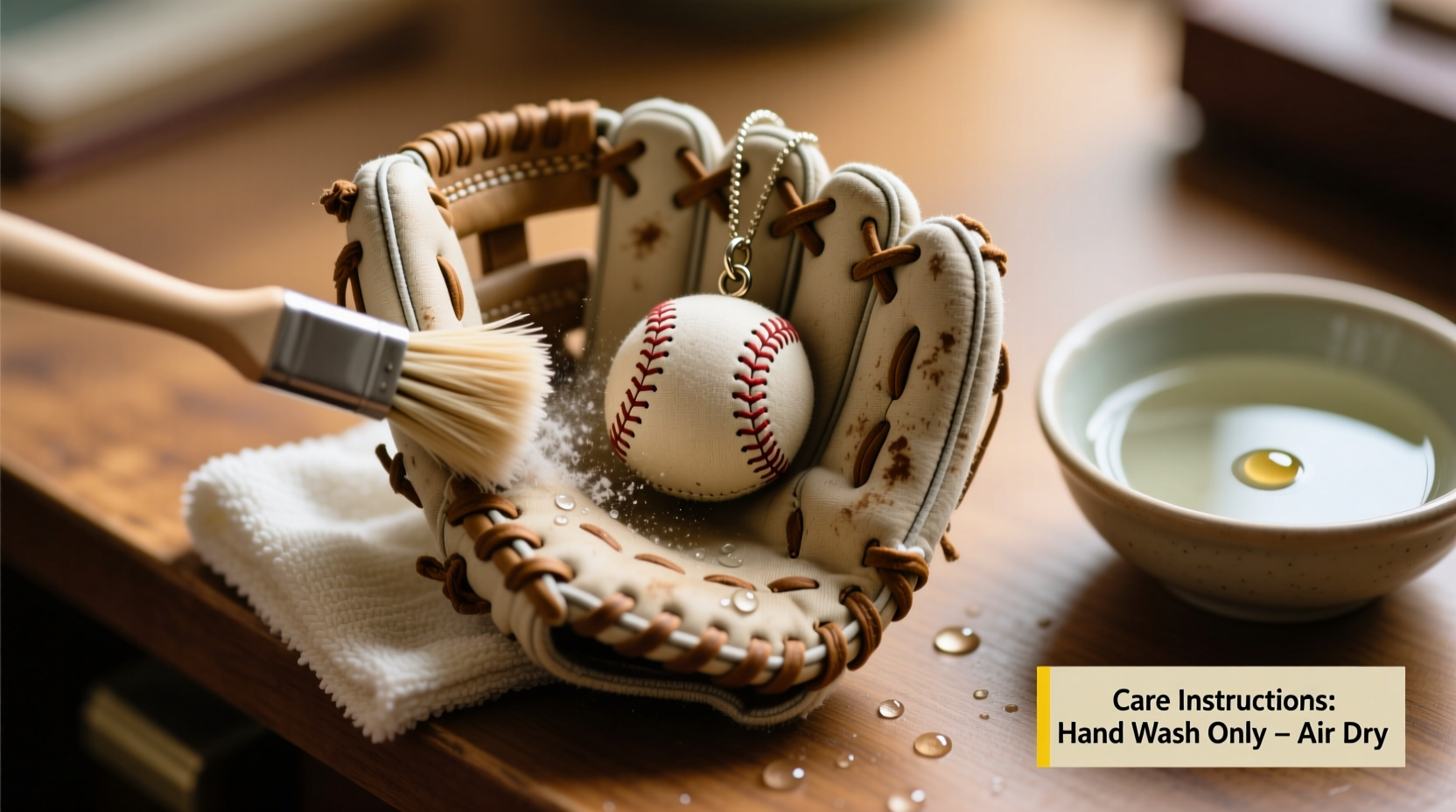
Before any cleaning begins, it's essential to identify the materials used in your plush pendant. Most are constructed from synthetic fibers like polyester or acrylic, which are durable but sensitive to heat and harsh chemicals. Some may include cotton blends, felt accents, or embroidered details. The stitching, especially around the glove and ball areas, is often tightly packed and can unravel if subjected to friction or moisture imbalance.
Check for labels or manufacturer instructions if available. In their absence, assume the item is handcrafted and treat it accordingly. Never assume a plush pendant is machine-washable unless explicitly stated. Heat, agitation, and prolonged soaking can cause shrinking, color bleeding, or stuffing clumping—issues that are difficult or impossible to reverse.
“Delicate plush items require the same attention as heirloom textiles. Gentle handling and preventive care are far more effective than trying to repair damage after the fact.” — Dr. Lila Monroe, Textile Preservation Specialist, National Craft Archive
Step-by-Step Cleaning Process
Cleaning a plush baseball glove pendant should be done infrequently and only when necessary. Over-cleaning accelerates fiber breakdown. When dirt, odors, or visible soiling appear, follow this careful sequence:
- Dry Dusting (Weekly Maintenance): Use a soft-bristle clothes brush or a clean, dry microfiber cloth to gently remove surface dust. Work in the direction of the fabric grain to avoid pulling threads.
- Spot Testing: Before applying any liquid, test a small, inconspicuous area (like the back of the glove) with a damp cloth. Wait 10 minutes to check for discoloration or texture changes.
- Spot Cleaning Stains: For localized stains (e.g., food residue, fingerprints), mix one teaspoon of mild liquid detergent (free of bleach and enzymes) with one cup of lukewarm water. Dampen a corner of a white cotton cloth—never soak it—and dab gently at the stain. Do not rub.
- Drying: After spot cleaning, press a dry towel against the damp area to absorb excess moisture. Then air-dry flat in a well-ventilated room away from direct sunlight or heat sources. Rotate occasionally for even drying.
- Deodorizing (Optional): To refresh scent without washing, place the pendant in a sealed container with baking soda for 12–24 hours. Shake gently afterward to remove residue.
Do’s and Don’ts: A Quick Reference Table
| Do’s | Don’ts |
|---|---|
| Use a lint roller for surface fuzz or pet hair | Machine wash or dry the pendant |
| Store in a breathable cotton bag when not displayed | Expose to direct sunlight for long periods |
| Rotate display position monthly to prevent uneven fading | Use bleach, alcohol, or ammonia-based cleaners |
| Vacuum gently with a brush attachment on low suction | Iron or steam the fabric |
| Inspect stitching every 3–6 months for loose threads | Store in plastic bins where moisture can accumulate |
Real Example: Preserving a Vintage Gift
Sarah from Portland inherited a plush baseball glove pendant from her grandfather, a former minor league coach. The doll, made in the 1980s, had faded slightly and developed a musty odor after years in an attic box. Instead of attempting a full wash, she followed a conservative restoration plan: she vacuumed it gently using a nylon stocking over the nozzle to diffuse suction, then spot-cleaned the stained thumb area with a diluted wool-safe detergent. She aired it near an open window for two days and placed it in a linen drawer with cedar chips to deter moths. Today, the pendant hangs in her son’s bedroom—a preserved family heirloom that survived decades thanks to mindful maintenance.
Maintenance Checklist for Long-Term Care
- ✅ Dust or brush the pendant every 1–2 weeks
- ✅ Inspect for loose threads or weak seams quarterly
- ✅ Rotate display location to minimize sun exposure
- ✅ Spot clean only when necessary, using minimal moisture
- ✅ Store in a cool, dry place wrapped in acid-free tissue paper
- ✅ Avoid handling with dirty or oily hands
- ✅ Refresh scent annually with baking soda or lavender sachets
Frequently Asked Questions
Can I use a fabric refresher spray like Febreze?
It’s not recommended. While convenient, many fabric sprays contain solvents and masking agents that can degrade synthetic fibers over time. If odor removal is needed, opt for natural airing or baking soda absorption instead.
What should I do if the stuffing starts clumping?
Gently massage the affected area with clean hands to redistribute the filling. If clumping persists, carefully unzip any access point (if present) and fluff the stuffing manually. Replace old stuffing only as a last resort, using hypoallergenic polyester fiberfill.
How can I protect the pendant if I live in a humid climate?
Humidity increases the risk of mold and mildew. Store the pendant with silica gel packets in a ventilated cabinet. Avoid basements or bathrooms. In high-humidity environments, consider displaying the pendant only seasonally and storing it properly during off-months.
Conclusion: Treat It Like the Keepsake It Is
A plush baseball glove doll pendant is more than a novelty—it’s a tactile piece of personal history. Its longevity depends not on how often you clean it, but on how thoughtfully you care for it. By adopting gentle cleaning habits, avoiding common pitfalls, and storing it with intention, you preserve both its appearance and emotional significance. These methods aren’t just about cleanliness; they’re about respect for craftsmanship and memory.




 浙公网安备
33010002000092号
浙公网安备
33010002000092号 浙B2-20120091-4
Comments
No comments yet. Why don't you start the discussion?