
Your Apple Watch is more than a timepiece—it’s a daily companion. But with constant contact against sweat, oils, and environmental grime, the band can quickly become discolored, smelly, or sticky. Over time, even high-quality bands lose their luster. The good news: with the right techniques, you can safely clean and restore most Apple Watch bands to a near-factory shine. Whether you own a silicone Sport Band, a woven nylon Loop, or a premium Leather Link, proper care extends longevity and keeps your wearable looking fresh.
Why Regular Band Maintenance Matters
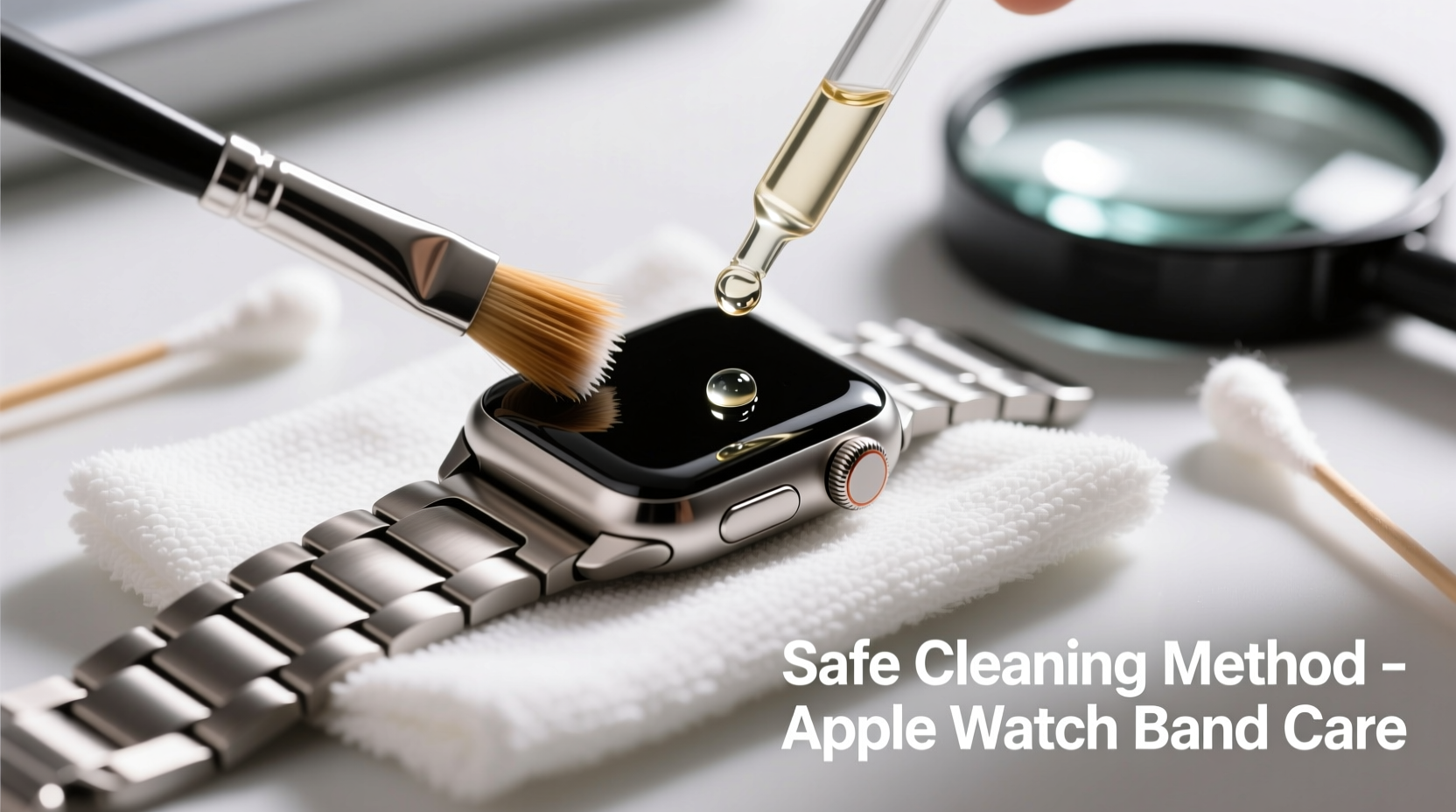
Apple Watch bands endure more physical stress than most accessories. They’re exposed to skin oils, perspiration, UV light, and friction—all of which degrade materials over time. Silicone bands may yellow; fluoroelastomer models can develop stickiness; leather may crack; and fabric bands trap odors. Left uncleaned, bacteria buildup can lead to skin irritation or allergic reactions.
Regular maintenance prevents long-term damage. A 2023 study by the Journal of Dermatological Science found that wearable devices worn continuously for over 12 hours a day accumulated up to 4x more microbial load than those cleaned weekly. Cleaning isn’t just cosmetic—it’s hygienic.
“Daily wearables need routine care just like jewelry or eyewear. A few minutes a week can prevent permanent staining and material breakdown.” — Dr. Lena Torres, Dermatology Researcher & Wearable Health Consultant
Step-by-Step Guide: How to Clean Each Band Type Safely
Not all bands respond to the same cleaning method. Using improper techniques—like soaking leather or using bleach on nylon—can ruin your band. Follow this material-specific guide to avoid damage.
1. Silicone & Fluoroelastomer (Sport Bands)
- Remove the band from your Apple Watch.
- Rinse under lukewarm water to remove surface debris.
- Apply a small drop of mild dish soap to a soft-bristled toothbrush.
- Gently scrub the entire surface, focusing on grooves and clasp areas.
- Rinse thoroughly and wipe dry with a lint-free cloth.
- Air-dry completely before reattaching.
2. Woven Nylon & Braided Solo Loop
- Do not machine wash or submerge.
- Dampen a microfiber cloth with soapy water (use gentle hand soap).
- Spot-clean stained areas using circular motions.
- Use a clean, damp section of the cloth to wipe away soap.
- Blot dry immediately with a towel and air-dry flat.
For odor removal, sprinkle a pinch of baking soda on the damp cloth before wiping. Let sit for 2 minutes, then wipe clean.
3. Leather Link & Modern Buckle
- Wipe with a dry, soft cloth after each use to absorb moisture.
- Once monthly, use a leather conditioner made for delicate finishes (e.g., Apple Leather Conditioner or Lexol).
- Apply a pea-sized amount to a lint-free cloth and buff in circular motions.
- Never use water, alcohol, or household cleaners—they strip natural oils and cause cracking.
- Store in a cool, dark place when not in use.
4. Stainless Steel & Milanese Loop
- Detach from the watch and lay flat.
- Soak in warm, soapy water for no more than 5 minutes.
- Use a soft brush to clean between mesh weaves.
- Rinse and pat dry with a microfiber towel.
- Let air-dry fully before reattaching magnets or clasps.
Milanese loops are magnetic—keep them away from electronic storage devices during drying.
Do’s and Don’ts: Band Care Quick Reference
| Band Type | Do’s | Don’ts |
|---|---|---|
| Silicone/Fluoroelastomer | Use mild soap + soft brush; rinse well; dry fully | Use bleach; expose to direct heat; store while damp |
| Woven Nylon | Spot-clean only; use baking soda for odor; air-dry flat | Submerge; machine wash; use fabric softener |
| Leather | Condition monthly; wipe with dry cloth; store flat | Get wet; use alcohol; leave in sunlight |
| Stainless Steel/Milanese | Short soaks; gentle brushing; full drying | Use abrasive pads; leave wet; store near magnets |
Restoring Discolored or Stiff Bands: Can You Reverse the Damage?
Yellowing in white silicone bands is common due to UV exposure and oxidation. While you can’t always return a heavily degraded band to factory white, early intervention helps.
For mild discoloration: Soak the band in a solution of 1 cup warm water and 1 tablespoon oxygen-based cleaner (like OxiClean) for 30 minutes. Rinse and dry. Avoid chlorine-based bleach—it accelerates degradation.
For stiff or brittle bands: This often indicates material fatigue. If the band cracks or feels inflexible, replacement is safer. Attempting to soften it with oils can attract dirt and worsen hygiene.
In one real-world example, Sarah K., a fitness instructor from Portland, noticed her white Sport Band turning yellow after six months of daily workouts. She began cleaning it weekly with soapy water and an old toothbrush. After switching to bi-weekly OxiClean soaks, she restored 80% of its original brightness. “I was about to buy a new one,” she said, “but now it looks almost brand new.”
Preventative Care Checklist
Long-term cleanliness starts with habits. Use this checklist to maintain your bands between deep cleans:
- ✅ Remove band during swimming, showering, or intense sweating
- ✅ Wipe down with a dry cloth after workouts
- ✅ Rotate between two or more bands to reduce wear
- ✅ Store bands flat or on a soft roll—avoid crumpling
- ✅ Inspect clasps and connectors monthly for debris
- ✅ Replace bands every 6–12 months with heavy use
Frequently Asked Questions
Can I use disinfectant wipes on my Apple Watch band?
Only on silicone and fluoroelastomer bands, and sparingly. Choose alcohol-free wipes designed for electronics (like Clorox Anywhere). Avoid using them on leather, nylon, or metal bands, as they can cause drying, discoloration, or corrosion.
How often should I clean my Apple Watch band?
For daily wearers: clean silicone and metal bands weekly, fabric bands every 10–14 days, and leather bands monthly (with wipe-downs after each use). Occasional users can clean every 3–4 weeks.
Why does my white band turn yellow?
Yellowing is caused by UV exposure, body oils, and oxidation. It’s more common in hot climates or with frequent gym use. Prevent it by rinsing after sweating and storing away from sunlight.
Conclusion: Small Efforts, Lasting Results
Your Apple Watch band doesn’t have to look worn just because it’s been well-used. With consistent, appropriate cleaning and mindful handling, every type of band can retain its appeal and function. The key is matching your method to the material and acting before stains or odors set in. These routines take only minutes but pay off in comfort, hygiene, and appearance.




 浙公网安备
33010002000092号
浙公网安备
33010002000092号 浙B2-20120091-4
Comments
No comments yet. Why don't you start the discussion?