
Cleaning tiny glass bottles may seem like a minor task, but it plays a crucial role in the success of any crafting project. Whether you're repurposing vintage perfume bottles, creating mini terrariums, or filling them with homemade oils and bath salts, a spotless interior ensures clarity, hygiene, and professional presentation. However, due to their narrow necks and small openings, standard cleaning tools often fall short. Without proper technique, residue, mold, or lingering odors can ruin both the aesthetic and functionality of your creations.
The challenge lies not just in removing visible grime but also in eliminating microscopic contaminants that affect scent, color, and safety. This guide explores proven, practical approaches to deep-clean tiny glass bottles using accessible household items and specialized tools. From initial rinsing to sterilization, each method is designed to preserve delicate surfaces while ensuring thorough sanitation.
Why Proper Cleaning Matters in Craft Projects
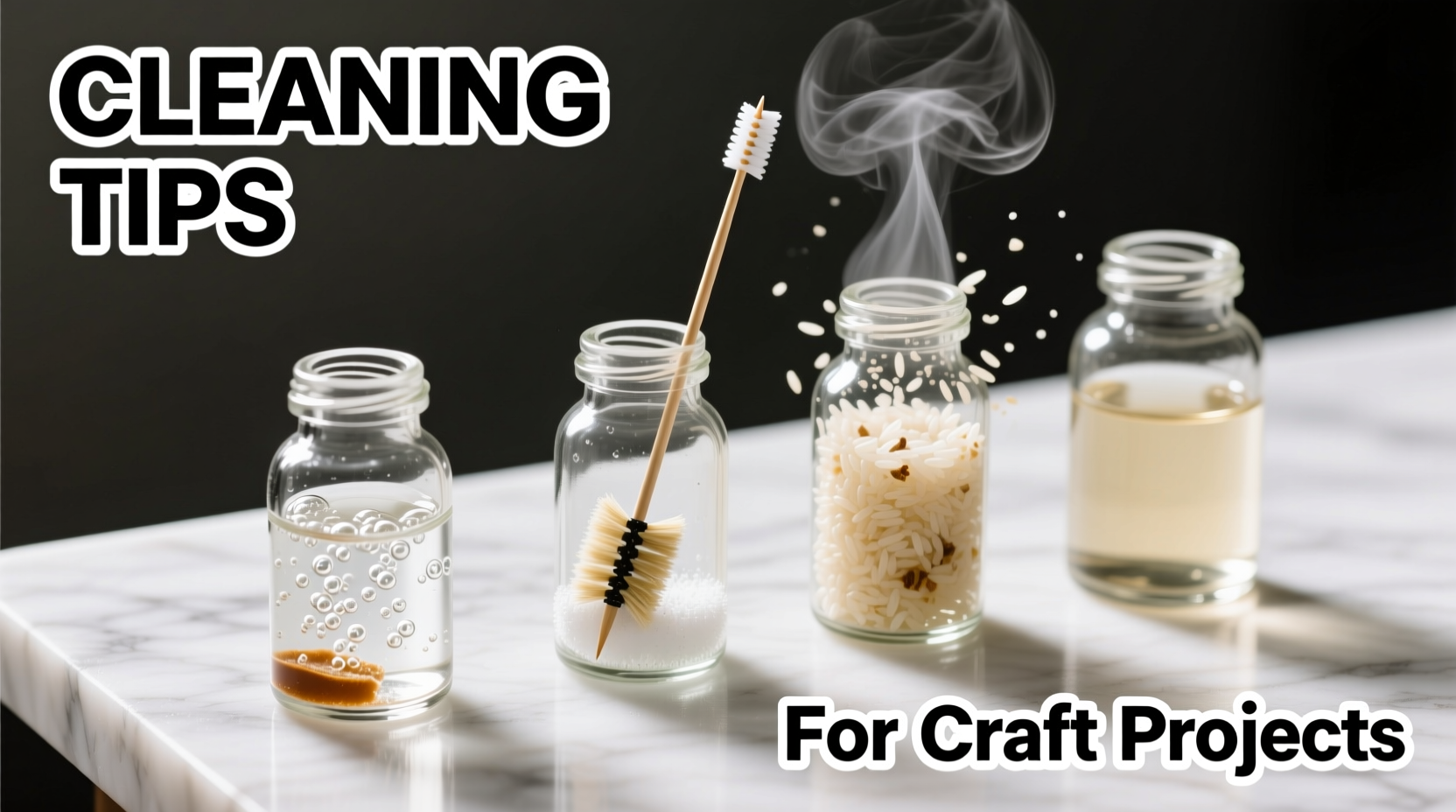
Using unclean glass bottles can compromise more than appearance—it can impact health and longevity. Residual substances from previous contents, such as perfumes, essential oils, or adhesives, can react with new materials, leading to cloudiness, separation, or even spoilage. In botanical crafts like resin art or preserved flora displays, moisture and organic residue encourage mold growth, which ruins encapsulated arrangements.
Additionally, many crafters sell their handmade goods. A professionally cleaned vessel reflects attention to detail and builds consumer trust. Customers expect clarity and cleanliness, especially when purchasing products intended for personal use like bath bombs or tinctures.
“Glass that looks clean isn’t always chemically clean. Residue films scatter light and degrade product quality over time.” — Dr. Lena Patel, Materials Scientist at the Artisan Craft Lab
Essential Tools and Supplies
Before diving into cleaning techniques, gather the right tools. Standard brushes and cloths won’t reach inside narrow openings, so specialized equipment is necessary:
- Bottle brushes – Flexible, long-handled brushes with nylon or natural bristles in various diameters.
- Pipe cleaners or floral wires – Ideal for dislodging stuck debris or wiping curved interiors.
- Rice or coarse salt – Acts as an abrasive when shaken with liquid.
- White vinegar and baking soda – Natural degreasers and deodorizers.
- Isopropyl alcohol (70% or higher) – Disinfects and evaporates without leaving streaks.
- Dish soap (phosphate-free) – Gentle on glass and safe for reuse.
- Lint-free cloths or paper towels – For drying without shedding fibers.
- Drying rack or padded tray – Prevents rolling and breakage during air-drying.
Step-by-Step Guide to Deep-Clean Tiny Glass Bottles
Follow this comprehensive process to ensure every bottle is hygienic, clear, and ready for creative use.
- Remove Labels and Adhesive Residue
Soak bottles in warm, soapy water for 20–30 minutes. Use a plastic scraper or old credit card to gently peel off paper labels. For stubborn glue, apply a paste of baking soda and olive oil; let sit for 15 minutes before scrubbing with a soft cloth. - Rinse Thoroughly
Flush with hot water to remove loose particles and cleaning agents. Hold under running water, swirling to dislodge sediment. - Scrub the Interior
Add a few drops of dish soap and warm water. Insert a bottle brush and rotate vigorously. For bottles too narrow for brushes, use pipe cleaners wrapped with cotton or microfiber strips. - Eliminate Odors and Stains
Create a solution of equal parts white vinegar and water, or mix one tablespoon baking soda with half a cup of water. Pour inside, cap securely, and shake well. Let sit for 30 minutes to neutralize smells and lift stains. - Disinfect
Rinse out cleaning solutions, then fill bottles with 70% isopropyl alcohol. Swirl for 30 seconds to sanitize. This step is critical if storing food-grade or skincare items. - Rinse and Dry Completely
Use distilled water for final rinse to avoid mineral spots. Drain upside down on a lint-free towel or hang on a drying rack. Allow 12–24 hours for full evaporation, especially in humid environments.
Alternative Cleaning Methods for Stubborn Cases
Sometimes, conventional washing isn't enough—especially for bottles previously used for oily products or dark liquids. These alternative strategies deliver deeper cleaning power.
| Method | Best For | How To Apply | Caution |
|---|---|---|---|
| Rice + Soap + Water | Removing sludge and film | Add uncooked rice, drop of soap, warm water. Shake 1–2 minutes. | Avoid colored rice; may leave specks. |
| Baking Soda + Vinegar Reaction | Breaking down organic buildup | Add 1 tsp baking soda, pour vinegar until foaming. Cap and swirl. | Do not seal tightly—pressure builds. |
| Oven Sterilization | Killing bacteria and mold spores | Wash and dry bottles. Place on baking sheet at 300°F (150°C) for 20 mins. | Never heat sealed or wet bottles—risk of explosion. |
| Ultrasonic Cleaner | Delicate or intricately shaped bottles | Fill tank with water and cleaner. Submerge bottles 5–10 mins. | High upfront cost; best for frequent users. |
Mini Case Study: Reviving Vintage Apothecary Bottles
A crafter in Portland collected 30 antique glass vials from estate sales for a holiday gift line. Many had cloudy interiors and sticky residues from old medicinal syrups. She soaked them in vinegar overnight, then used the rice-and-soap method followed by alcohol sanitization. After air-drying on a mesh rack, all bottles were crystal clear. Her lavender-infused sugar scrubs, packaged in these restored containers, became her best-selling item at local markets—proof that meticulous cleaning directly impacts product appeal.
Common Mistakes to Avoid
Even experienced crafters make errors that reduce effectiveness or damage glass. Be mindful of these pitfalls:
- Using steel wool or metal scrubbers – Causes micro-scratches that trap dirt and impair clarity.
- Leaving bottles wet for extended periods – Encourages mold growth, especially in bottles stored upright.
- Over-tightening caps during shaking – Pressure from chemical reactions can cause breakage.
- Skipping the disinfection step – Leaves behind microbes invisible to the eye.
- Drying near direct sunlight or heat sources – Can warp synthetic stoppers or create condensation inside.
Checklist: Pre-Crafting Bottle Preparation
Use this checklist before starting any project:
- ☐ Remove all labels and adhesive
- ☐ Inspect for cracks or chips
- ☐ Wash with warm soapy water and brush
- ☐ Treat stains with vinegar or baking soda
- ☐ Sanitize with isopropyl alcohol
- ☐ Rinse with distilled water
- ☐ Air-dry completely (minimum 12 hours)
- ☐ Store in dust-free container until use
Frequently Asked Questions
Can I put tiny glass bottles in the dishwasher?
Only if they are made of tempered glass and have wide necks. Most small decorative or vintage bottles are not dishwasher-safe due to thermal shock risk. Hand-washing is safer and more effective for intricate pieces.
How do I clean bottles with glued-on corks or stoppers?
Never submerge bottles where the stopper is permanently attached. Instead, clean only the exposed interior using a damp pipe cleaner or spray with diluted alcohol. Wipe the exterior separately to avoid damaging the adhesive bond.
What’s the fastest way to dry small bottles?
After draining, insert a folded piece of lint-free paper towel attached to a thin wire or skewer to absorb internal moisture. Replace twice. Then allow 2–3 hours of airflow in a warm, ventilated area. Do not use hairdryers—rapid heating may crack glass.
Final Thoughts
Cleaning tiny glass bottles thoroughly transforms overlooked containers into pristine canvases for creativity. The effort invested upfront pays dividends in presentation, durability, and customer satisfaction. By combining mechanical action, chemical cleaning, and proper drying, you ensure each bottle meets both functional and artistic standards.
Whether you're crafting gifts, selling handmade goods, or simply organizing supplies, take pride in preparing your materials with care. Clean glass reflects light beautifully and honors the craftsmanship within.




 浙公网安备
33010002000092号
浙公网安备
33010002000092号 浙B2-20120091-4
Comments
No comments yet. Why don't you start the discussion?