
Thick-soled sandals are a staple for summer adventures—especially beach outings. Their rugged design offers comfort and support on hot sand and uneven terrain. But after a day by the ocean, they often carry more than just memories: layers of dried salt, embedded sand, algae, and lingering odors can compromise both hygiene and longevity. Without proper care, these elements degrade materials, weaken adhesives, and create unpleasant smells. A thorough, systematic deep clean is essential to maintain performance and appearance. This guide outlines practical, tested methods to restore your favorite sandals to like-new condition—without damaging them in the process.
Why Deep Cleaning Thick Soled Sandals Matters
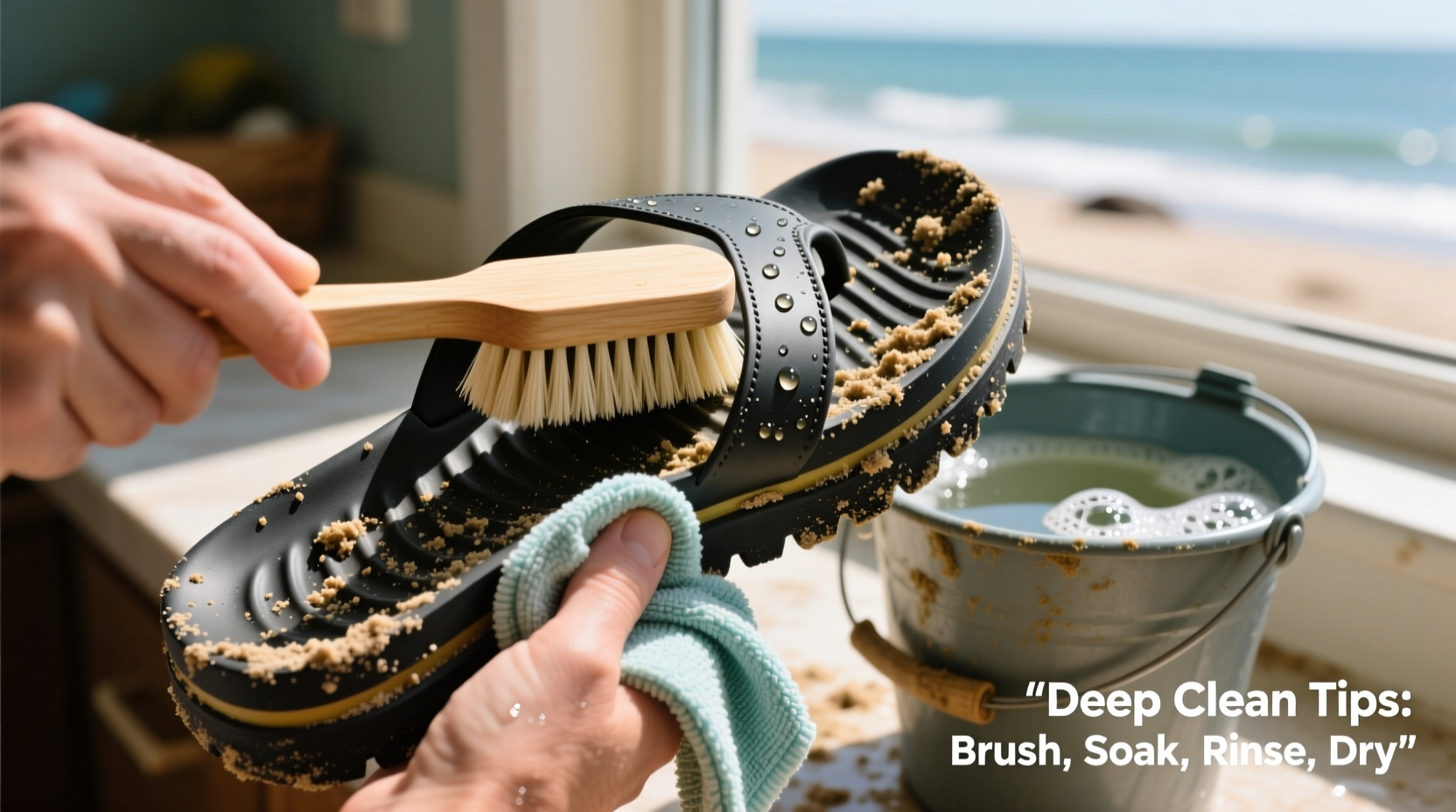
Beach environments are harsh on footwear. Saltwater is corrosive, especially to rubber compounds and metal hardware like buckles or eyelets. Sand acts as an abrasive, grinding into tread grooves and scratching surfaces over time. Moisture trapped in cushioned footbeds encourages bacterial growth, leading to persistent odors. Unlike thin flip-flops, thick-soled sandals often have layered construction—EVA foam midsoles, textured rubber outsoles, fabric straps, and contoured footbeds—that trap debris deep within crevices.
Regular rinsing isn’t enough. Surface cleaning may remove visible dirt but leaves behind microscopic salt crystals and organic residues that continue to break down materials. Deep cleaning eliminates these hidden threats, preserving structural integrity and comfort. It also prevents cross-contamination—bringing salty, sandy shoes indoors can damage floors and spread allergens.
“Salt buildup is one of the top causes of premature wear in beach footwear. A post-trip deep clean can extend a sandal’s life by up to 50%.” — Dr. Lena Torres, Footwear Materials Scientist at Coastal Gear Labs
Step-by-Step Guide: How to Deep Clean Thick Soled Sandals
A successful deep clean requires more than soap and water. Follow this comprehensive sequence to ensure every component is properly treated.
- Rinse Immediately After Use: As soon as you leave the beach, rinse sandals under lukewarm running water. Focus on the sole edges, between tread lugs, and around strap anchors. This removes loose sand and reduces salt concentration before it crystallizes.
- Remove Loose Debris: Use a soft-bristled brush (an old toothbrush works well) to scrub all textured areas. Pay attention to grooves in the outsole and any mesh or fabric sections where sand accumulates.
- Prepare a Cleaning Solution: Mix 1 gallon of warm water with ¼ cup of mild dish soap and ½ cup of white vinegar. The vinegar dissolves salt deposits and neutralizes odors; the soap lifts grime without stripping protective coatings.
- Soak for 20–30 Minutes: Submerge sandals fully in the solution. Avoid hot water, which can warp EVA foam and loosen glued components. Letting them soak softens stubborn residues.
- Scrub Thoroughly: After soaking, use the brush again to agitate all surfaces. For odor-prone footbeds, sprinkle baking soda directly onto the surface before scrubbing—it lifts stains and absorbs lingering smells.
- Rinse Completely: Flush with clean water until no suds remain. Residual soap attracts dirt and can irritate skin upon next wear.
- Dry Properly: Air-dry away from direct sunlight and heat sources. Place sandals upside-down on a towel to allow water to drain from footbed cavities. Full drying takes 6–12 hours depending on humidity.
Material-Specific Care Tips
Different sandal brands use varying materials—each requiring tailored treatment. Applying a universal method can cause unintended harm. Below is a comparison of common materials and their ideal cleaning approaches.
| Material | Cleaning Method | Avoid |
|---|---|---|
| EVA Foam (e.g., Crocs, Teva) | Vinegar-soap soak + soft brush | Bleach, abrasive pads |
| Textile Straps (Nylon, Polyester) | Hand scrub with mild detergent | Hot water, wringing |
| Rubber Outsoles (Vibram, Contagrip) | Deep scrub with stiff brush | Prolonged sun exposure |
| Leather-Lined Footbeds (Birkenstock) | Damp cloth + leather cleaner | Submersion, vinegar |
| TPU or Plastic Components | Soap-water wipe down | Alcohol-based cleaners |
For sandals with removable footbeds, take them out before cleaning to access hidden mold pockets. Allow each part to dry separately to prevent moisture trapping.
Real Example: Reviving Salt-Damaged Hiking Sandals
Jamal, an outdoor guide in Oregon, leads coastal hikes weekly. His pair of sturdy hiking sandals began cracking at the midsole after three months of frequent beach use. He assumed they were worn out—until a colleague suggested a vinegar soak. Following the deep-cleaning steps outlined above, he soaked the sandals overnight in a diluted vinegar solution (1:4 vinegar-to-water ratio), then scrubbed and air-dried them. To his surprise, the stiffness eased, the odor disappeared, and the cracks stopped spreading. Six months later, the sandals remain in regular rotation. The issue wasn’t wear—it was salt accumulation weakening the polymer structure. Regular deep cleaning has since become part of his post-hike routine.
Essential Do’s and Don’ts Checklist
- ✅ Do rinse sandals immediately after beach exposure
- ✅ Do use a soft brush for delicate surfaces
- ✅ Do air-dry in a shaded, ventilated area
- ✅ Do deodorize monthly with baking soda
- ✅ Do inspect straps and soles for early signs of separation
- ❌ Don’t use bleach or ammonia-based cleaners
- ❌ Don’t machine-wash or tumble-dry
- ❌ Don’t dry near radiators or in direct sun
- ❌ Don’t store damp sandals in closed bags
- ❌ Don’t neglect hard-to-reach tread grooves
Frequently Asked Questions
How often should I deep clean my beach sandals?
If used weekly during summer, deep clean every 2–3 beach trips. For daily use in coastal climates, clean once a week. Immediate rinsing after each use is still recommended even if full cleaning is delayed.
Can I use hydrogen peroxide to remove stains?
In small amounts, yes—but only on non-porous materials like rubber or plastic. Mix equal parts 3% hydrogen peroxide and water, apply with a cotton pad, and rinse thoroughly. Avoid using it on fabrics or leather, as it can cause fading or brittleness.
Why do my sandals still smell after washing?
Odor usually persists due to bacteria in micro-cracks or within foam layers. Try adding ¼ cup of oxygen-based cleaner (like OxiClean) to the soak solution. Alternatively, place dried sandals in a sealed bag with activated charcoal packets for 24 hours to absorb residual smells.
Maintaining Long-Term Performance
Deep cleaning isn’t a one-time fix—it’s part of a maintenance cycle. Between washes, wipe sandals with a damp cloth after exposure to sand or salt spray. Store them in a breathable cotton bag or open shelf, never sealed in plastic. Rotate between multiple pairs when possible to reduce continuous stress on one set. Inspect for signs of wear: delamination, frayed straps, or compressed footbeds indicate it’s time for replacement—even with excellent care, most thick-soled sandals last 1–3 years with regular beach use.
Final Thoughts
Your thick-soled sandals endure tough conditions to keep your feet comfortable and protected. Treating them with consistent, intelligent care ensures they continue delivering performance trip after trip. By integrating immediate rinsing, periodic deep cleaning, and mindful storage, you preserve not just appearance but function and hygiene. A few minutes of effort after each outing saves money, reduces waste, and keeps your gear ready for the next adventure.




 浙公网安备
33010002000092号
浙公网安备
33010002000092号 浙B2-20120091-4
Comments
No comments yet. Why don't you start the discussion?