
A greasy spot on a favorite shirt, tablecloth, or pair of pants can feel like a disaster. Whether it’s butter, cooking oil, salad dressing, or engine grease, these stains are stubborn because they repel water and bind tightly to fabric fibers. But panic isn’t necessary. With the right approach, most grease stains can be removed quickly and safely—often using household items you already have. The key is acting fast, choosing the correct method for the fabric type, and avoiding common mistakes that set the stain permanently.
Why Grease Stains Are Tricky
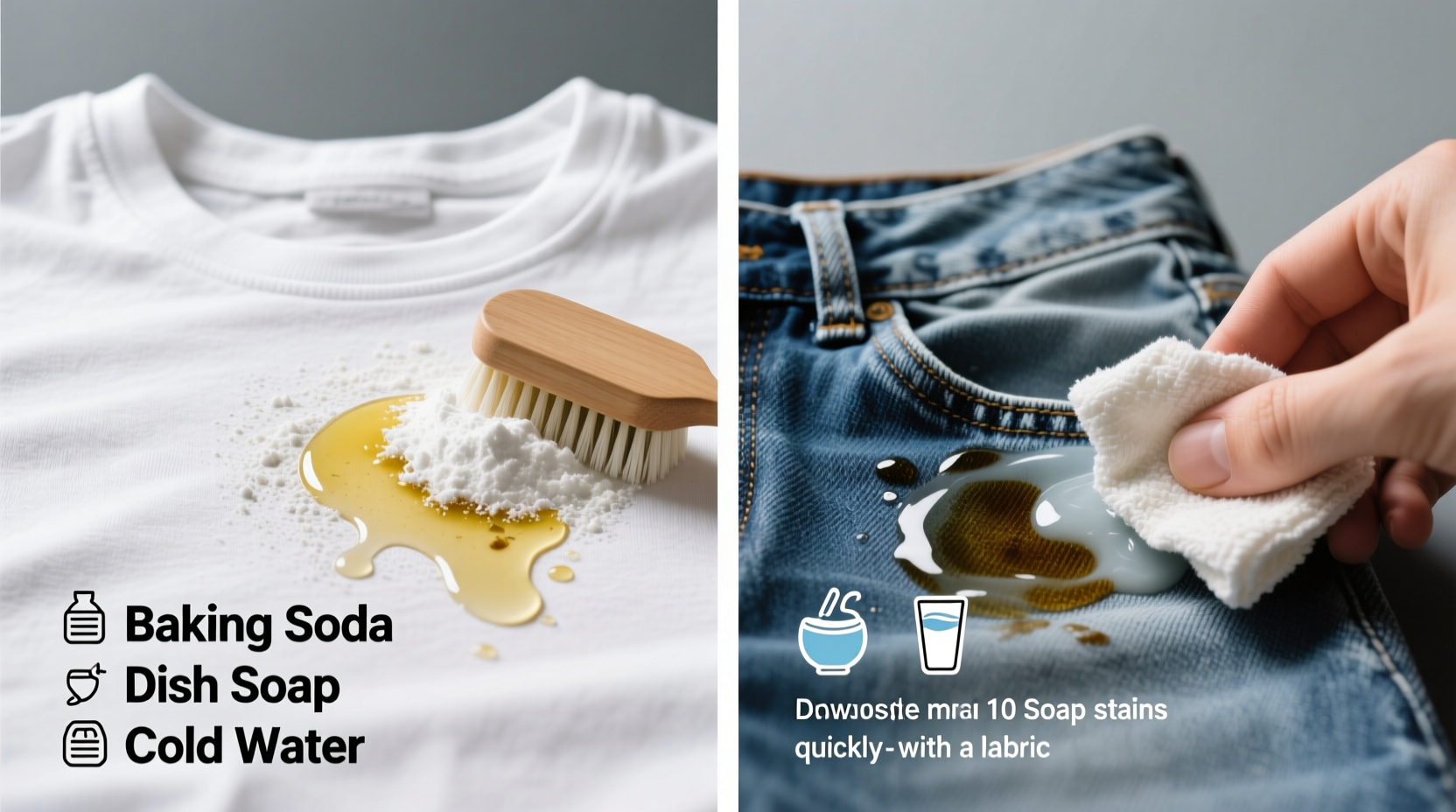
Grease is hydrophobic, meaning it resists water-based cleaning agents. When left untreated, it oxidizes and bonds with fabric fibers, making removal much harder after washing. Heat—especially from a dryer—can bake the grease into the material, turning a fresh spill into a permanent mark. This is why immediate action and cold-water treatment are critical.
“Time is your biggest ally when dealing with grease. The sooner you treat it, the better your chances of complete removal.” — Dr. Linda Harper, Textile Chemist at the American Cleaning Institute
Step-by-Step Guide: Removing Fresh Grease Stains
Follow this sequence for best results on washable fabrics like cotton, polyester, linen, and blends:
- Blot, don’t rub: Use a clean paper towel or cloth to gently absorb excess grease. Press down; never scrub, as this pushes the oil deeper.
- Apply an absorbent: Sprinkle cornstarch, baby powder, or baking soda over the stain. Let sit for 10–15 minutes to draw out the oil.
- Brush off residue: Gently brush away the powder with a soft brush or dry cloth.
- Pre-treat with dish soap: Apply a small amount of clear liquid dish soap (like Dawn) directly to the stain. Work it in gently with fingertips.
- Rinse with cold water: Hold the fabric under cold running water, pushing the soap and grease out from the back of the stain.
- Wash normally: Launder in the warmest water safe for the fabric, using regular detergent.
- Air dry: Do not use a dryer until you’ve confirmed the stain is gone. Heat sets remaining grease.
Fabric-Specific Strategies
Not all fabrics respond the same way to cleaning agents. Using the wrong method can weaken fibers or cause discoloration. Here's how to adjust your approach based on material:
| Fabric Type | Recommended Method | Avoid |
|---|---|---|
| Cotton & Linen | Dish soap + warm wash | Bleach on protein-based stains (e.g., butter) |
| Polyester & Blends | Pre-treat with degreaser, then machine wash | High heat before stain removal |
| Silk & Wool | Dry cleaning or gentle sponge with mild detergent | Enzyme cleaners, hot water, rubbing |
| Denim | Cornstarch absorption + cold wash inside-out | Overuse of bleach or fabric softener |
| Microfiber | Isopropyl alcohol (70%) dabbed lightly | Oil-based cleaners or abrasive cloths |
Real Example: Kitchen Mishap on a Work Shirt
Mark spilled olive oil while cooking dinner on his white button-down shirt—an outfit he needed for a client meeting the next morning. Instead of tossing it, he acted immediately. He blotted the oil, covered the stain with cornstarch, and let it sit for 20 minutes. After brushing it off, he applied two drops of dish soap, rinsed under cold water, and washed the shirt in warm water with oxygen bleach. The stain vanished, and he air-dried the shirt overnight. By morning, it looked untouched.
Alternative Home Remedies That Work
If you're out of dish soap or dealing with a sensitive fabric, these alternatives can be surprisingly effective:
- Vinegar and Baking Soda: Mix equal parts white vinegar and water. Apply to the stain, then sprinkle baking soda. Let fizz for 5–10 minutes before rinsing. Great for cotton and towels.
- Isopropyl Alcohol: Dab a small amount on the stain with a cotton ball. Works well on synthetic fabrics but test first for color bleed.
- WD-40 (for tough, oily stains): Yes, the lubricant. Spray lightly, wait 5 minutes, then blot and wash. Ideal for denim or workwear with motor oil. Rinse thoroughly—residue can be flammable.
- Commercial Degreasers: Products like Greased Lightning or OxiClean MaxForce are formulated for oil. Follow label instructions and ventilate the area.
Checklist: Emergency Grease Stain Response
Keep this checklist handy in your laundry room or kitchen for quick reference:
- ✅ Blot excess grease with a paper towel
- ✅ Cover stain with cornstarch or talcum powder
- ✅ Wait 10–15 minutes, then brush off
- ✅ Apply liquid dish soap directly
- ✅ Rinse from the back with cold water
- ✅ Wash in warm water (if fabric allows)
- ✅ Air dry and inspect before re-washing or drying
- ✅ Repeat if needed—don’t heat-set a lingering stain
When to Seek Professional Help
Some situations call for expert care. Delicate silks, vintage garments, upholstery, or unknown fabric blends should often be handled by professionals. Dry cleaners have access to solvents like perchloroethylene or hydrocarbon solutions that dissolve grease without water. If the item is labeled “dry clean only,” attempting home remedies may void warranties or ruin the piece.
“Professional dry cleaning isn’t just about convenience—it’s chemistry. Certain solvents break down oils that water-based systems simply can’t touch.” — Carlos Mendez, Master Dry Cleaner with 22 years of experience
FAQ
Can I use hand sanitizer to remove grease stains?
Yes, in a pinch. Hand sanitizer contains alcohol, which breaks down oil. Dab a small amount on the stain, wait a few minutes, then rinse with cold water and wash. Test on a hidden area first, especially for colored fabrics.
What if the grease stain has already been dried in the dryer?
It’s harder, but not hopeless. Scrape off any surface residue, then apply a paste of dish soap and baking soda. Let sit for 30 minutes before rewashing in the hottest water safe for the fabric. Repeat if needed. Avoid drying again until the stain is fully gone.
Are natural cleaners as effective as chemical ones?
For fresh stains, yes—dish soap, vinegar, and baking soda are highly effective. For old or heavy grease, commercial degreasers may offer stronger lifting power. However, natural options are safer for skin, children, and the environment.
Final Tips for Long-Term Success
Prevention is just as important as removal. Consider using aprons while cooking, placing protective seat covers in cars, or treating high-risk fabrics with fabric guards that repel oils. Always read garment care labels and keep a small stain-removal kit in your laundry basket: dish soap, cornstarch, a soft brush, and clean cloths.
Remember, success depends on speed, technique, and patience. Rushing or using heat too soon can make the problem worse. Treat the stain before washing, not after, and always verify the result before final drying.




 浙公网安备
33010002000092号
浙公网安备
33010002000092号 浙B2-20120091-4
Comments
No comments yet. Why don't you start the discussion?