
Dog tags, whether used for military identification, pet safety, or as sentimental accessories, are frequently exposed to harsh conditions—scratches, dents, and tarnish accumulate over time. While these marks may seem permanent, most surface-level damage can be reversed with the right approach. Restoring a scratched dog tag doesn’t require professional equipment; in many cases, common household items and a little patience are all you need. This guide walks through proven techniques to safely eliminate scratches and bring back that polished, reflective finish.
Understanding Dog Tag Materials
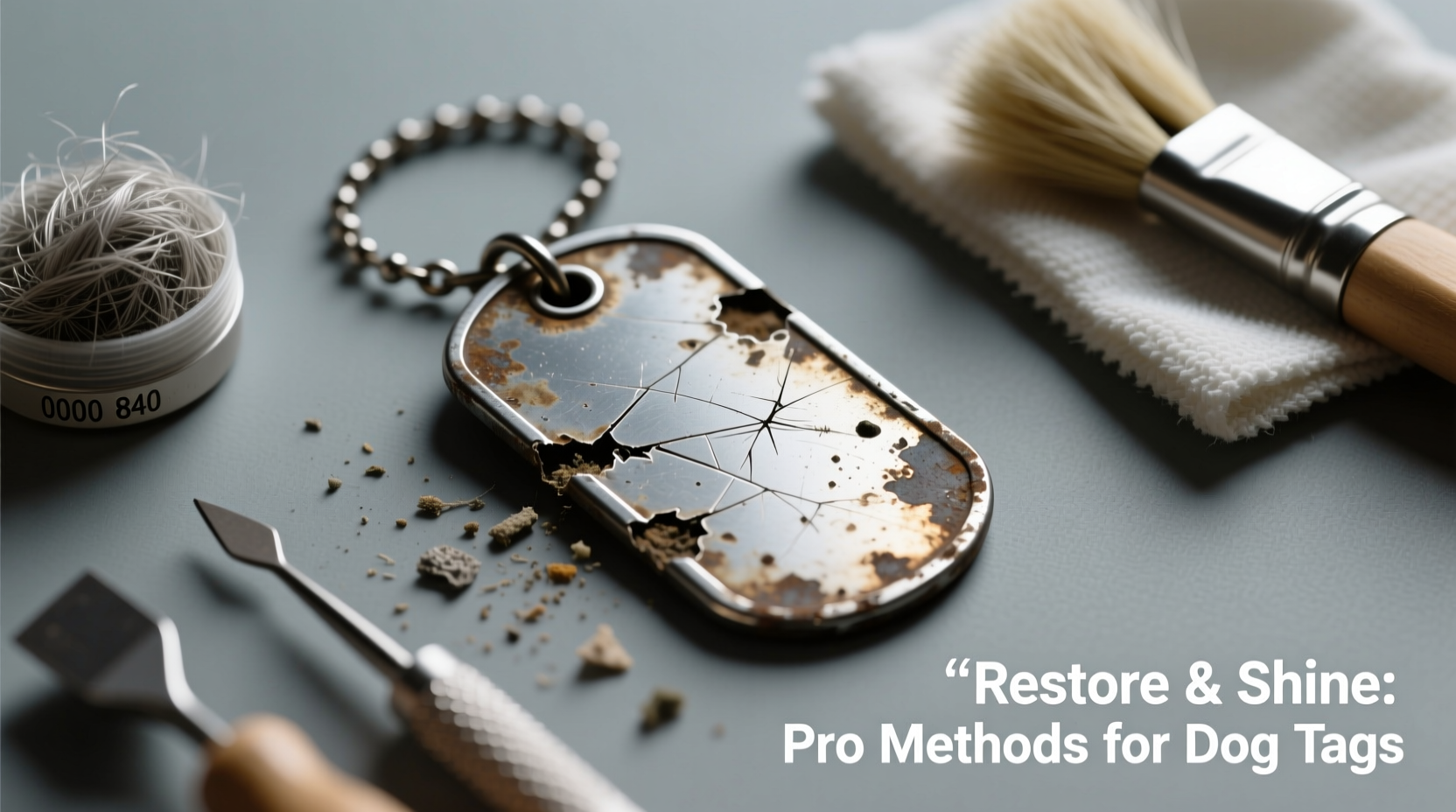
Dog tags are typically made from stainless steel, aluminum, brass, or nickel alloys, each responding differently to cleaning and polishing. Knowing your tag’s material is essential before attempting any restoration method.
- Stainless Steel: Resistant to rust and corrosion, but prone to fine scratches. Responds well to metal polish and buffing.
- Aluminum: Lightweight and affordable, but softer than steel—easily scratched. Requires gentle treatment to avoid further damage.
- Brass: Develops a patina over time. Can be polished to a high shine but may oxidize if not sealed after treatment.
- Nickel Silver: Durable and lustrous, though it can tarnish. Benefits from regular polishing with non-abrasive compounds.
Before starting, inspect the tag for engravings or coatings. Aggressive polishing can wear down lettering, especially on older or thin tags.
Step-by-Step Guide to Remove Scratches
Removing scratches involves progressive smoothing of the metal surface. Deep gouges may not vanish completely, but light to moderate scratches can be significantly reduced or eliminated.
- Clean the Surface
Use warm water and mild dish soap with a soft toothbrush to remove dirt, oil, and grime. Rinse thoroughly and dry with a lint-free cloth. - Assess Scratch Depth
Run your fingernail across the scratch. If it catches, the scratch is deeper and may require more aggressive treatment. If smooth, it's likely superficial and easier to fix. - Begin With Fine Sandpaper (Optional for Deeper Scratches)
For noticeable scratches, gently wet-sand the area using 600-grit sandpaper, moving in one direction. Progress to 1000, then 1500 grit for a smoother finish. Keep the surface wet to prevent overheating. - Apply Metal Polish
Use a jeweler’s rouge or stainless steel polish (like Flitz or Brasso). Apply a small amount to a microfiber cloth and rub in circular motions over the scratched area. - Buff to Shine
Switch to a clean, dry cloth and buff vigorously. For extra shine, use a soft cotton wheel attached to a rotary tool at low speed—but hand-buffing works well for most cases. - Protect the Finish
Once restored, apply a clear protective coating such as clear nail polish or a specialized metal sealant to slow future oxidation and scratching.
“Even minor abrasions dull a tag’s legibility and appearance. Regular maintenance with non-abrasive polishes preserves both function and aesthetics.” — Lt. Col. Daniel Reyes, U.S. Army Veteran & Equipment Maintenance Instructor
Alternative Household Methods
Not everyone has access to commercial metal polishes. Several everyday items can effectively reduce scratches and restore luster when used carefully.
| Method | How It Works | Best For | Caution |
|---|---|---|---|
| Toothpaste (Non-Gel) | Mild abrasives help level micro-scratches | Light scratches on steel or aluminum | Avoid on soft metals like gold-plated tags |
| Baking Soda Paste | Gentle scrubbing action lifts surface imperfections | Tarnished brass or stainless steel | May leave fine swirl marks if not rinsed well |
| Vinegar + Baking Soda Soak | Breaks down oxidation and grime | Heavily tarnished or corroded tags | Do not use on aluminum—can cause pitting |
| Cola Soak | Phosphoric acid helps dissolve surface rust | Rusty steel tags | Limited effectiveness on deep scratches |
To use toothpaste: Apply a pea-sized amount to a soft cloth, rub in small circles for 30–60 seconds, rinse, and dry. Repeat if necessary. Results are often visible within minutes for light scuffs.
Real Example: Restoring a Vintage Military Dog Tag
James, a collector of WWII memorabilia, inherited a pair of corroded dog tags from his grandfather. The tags were heavily scratched and partially covered in green oxidation. He began by soaking them in white vinegar for 15 minutes to loosen surface rust, then gently brushed with a nylon toothbrush. After rinsing, he applied a baking soda paste with a cotton swab, focusing on engraved areas. Once cleaned, he used 800-grit wet sandpaper on the deepest scratch, progressing to 2000-grit for smoothing. A final polish with Flitz Metal Polish brought back a mirror-like shine. The tags retained their historical character while becoming legible and visually striking once more.
Checklist: How to Safely Restore a Scratched Dog Tag
- ✅ Identify the metal type (stainless steel, aluminum, brass, etc.)
- ✅ Clean the tag with soapy water and a soft brush
- ✅ Assess scratch depth using tactile inspection
- ✅ Use progressively finer sandpaper (if needed) starting at 600 grit
- ✅ Apply metal polish or alternative (toothpaste, baking soda) with a microfiber cloth
- ✅ Buff thoroughly to restore shine
- ✅ Seal with a clear protective coating to prolong results
- ✅ Store in a dry, padded container to prevent future damage
Frequently Asked Questions
Can I use a Dremel tool to polish my dog tag?
Yes, but with caution. Use a soft buffing wheel and jeweler’s rouge at low speed. Avoid pressing too hard, as excessive heat or pressure can warp thin metal or erase engravings. Hand polishing offers more control for delicate work.
Will polishing remove the engraved text?
Prolonged or aggressive polishing can wear down shallow engravings over time. To protect lettering, focus on the surrounding surface and avoid direct rubbing on raised or recessed characters. For deeply engraved tags, the risk is minimal with careful handling.
How often should I polish my dog tag?
Only when necessary—typically every 6 to 12 months, depending on usage. Over-polishing removes microscopic layers of metal and shortens the tag’s lifespan. Regular wiping with a dry cloth helps maintain shine between treatments.
Final Thoughts and Call to Action
Restoring a scratched dog tag is more than cosmetic—it honors the object’s purpose, whether as an identifier, keepsake, or symbol of service. With the right materials and mindful technique, even decades-old tags can regain their clarity and brilliance. The key is patience: rushing the process risks damaging the metal or erasing meaningful details. Start with the gentlest method and escalate only if needed.
Now that you know how to revive scratched dog tags, take a moment to inspect yours. Whether it’s a working pet ID, a veteran’s memento, or part of a collection, a little care goes a long way. Try one of the methods outlined here, and share your results or tips with others who value durability and detail.




 浙公网安备
33010002000092号
浙公网安备
33010002000092号 浙B2-20120091-4
Comments
No comments yet. Why don't you start the discussion?