
Synthetic shoes are a staple in modern wardrobes—affordable, versatile, and often stylish. However, one of the most common issues wearers face is surface peeling. Whether it's the upper material flaking off or the finish cracking along seams, peeling diminishes both appearance and durability. The good news is that with proper care, many cases can be reversed, and future damage prevented. Understanding the causes and applying targeted solutions ensures your synthetic footwear remains functional and fashionable for months, even years, longer.
Why Synthetic Shoes Peel: Understanding the Causes
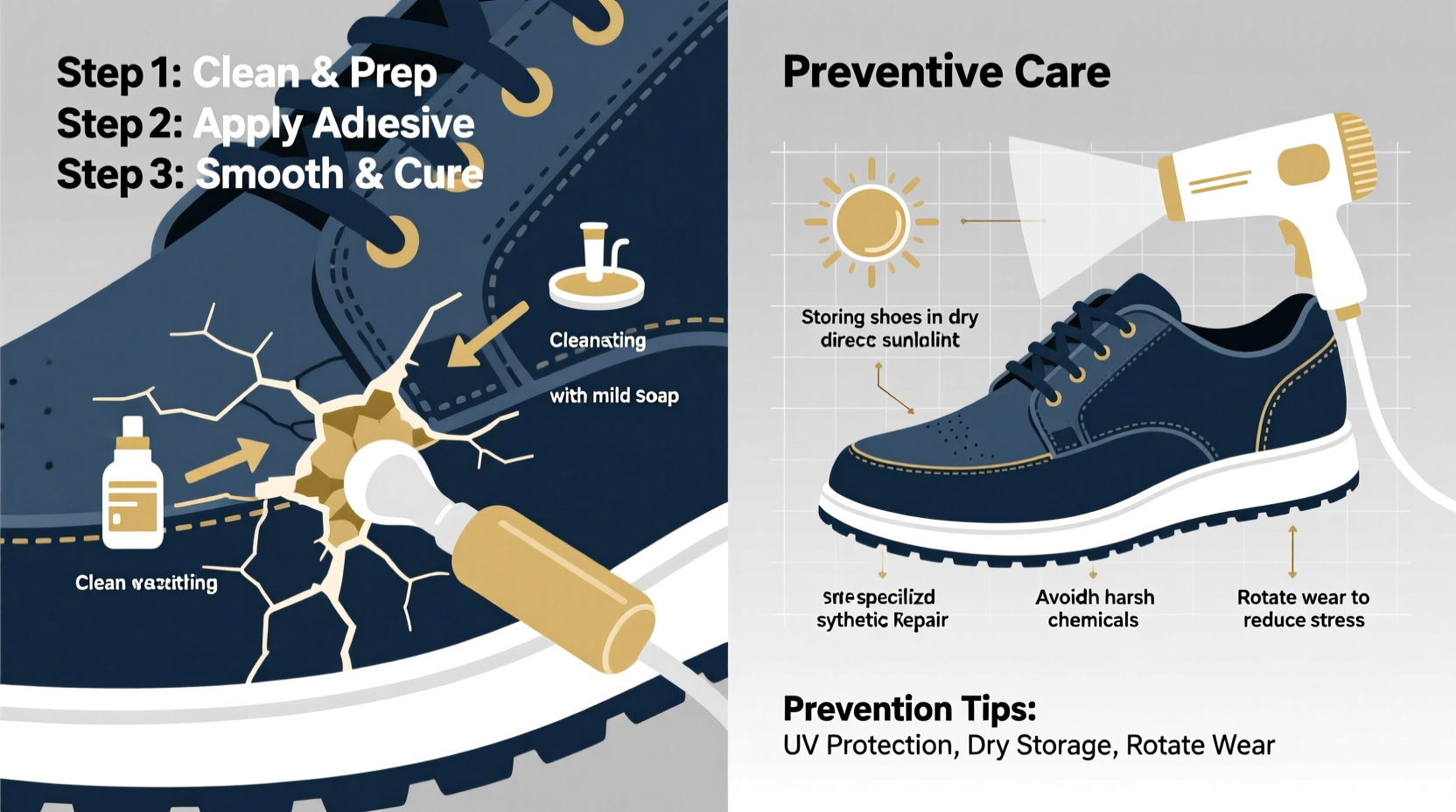
Synthetic materials like polyurethane (PU), PVC, and various polymer blends mimic leather but lack its natural breathability and flexibility. Over time, exposure to environmental stressors breaks down the chemical bonds in these materials, leading to delamination and surface degradation.
The primary contributors to peeling include:
- Exposure to moisture: Frequent dampness weakens adhesive layers between the outer coating and base fabric.
- UV radiation: Sunlight accelerates oxidation, making surfaces brittle and prone to cracking.
- Poor ventilation: Trapped sweat and humidity inside shoes degrade internal linings and adhesives.
- Mechanical stress: Repeated bending at flex points—like the ball of the foot—causes micro-tears that expand into peeling.
- Low-quality manufacturing: Some budget shoes use thin coatings that were never meant to last beyond a few months.
“Peeling isn’t always a death sentence. With early intervention, many synthetic shoes can be restored and protected.” — Marcus Lin, Footwear Material Analyst at Urban Sole Labs
Step-by-Step Guide to Restore Peeling Synthetic Shoes
If your shoes have already started peeling, don’t discard them yet. A careful restoration process can stabilize the damage and improve appearance significantly.
- Clean the Surface Thoroughly
Use a soft cloth dampened with mild soapy water (use dish soap diluted in water). Gently wipe the entire shoe, focusing on peeling areas. Avoid soaking; excessive moisture worsens delamination. Dry completely for 24 hours away from direct heat. - Remove Loose Flakes
With a cotton swab or soft brush, carefully lift and remove any lifted edges or loose fragments. This prevents further spreading under friction. - Apply a Flexible Adhesive
Use a shoe-safe, flexible adhesive such as Barge All-Purpose Cement or Aleene’s Fabric Fusion. Apply a small amount beneath lifted sections using a toothpick, then press flat with a clean cloth. Clamp lightly with binder clips if needed, and let cure for at least 6 hours. - Seal with a Protective Coating
Once repaired, apply a synthetic leather refinisher or sealant like Angelus Acrylic Finisher (Matte or Gloss). This creates a new protective top layer and evens out color inconsistencies. Allow 30 minutes between coats; two thin layers are better than one thick one. - Condition (Selectively)
While traditional leather conditioners harm synthetics, products designed specifically for faux leather—such as Sof Sole Faux Leather Conditioner—can add suppleness without breaking down polymers.
Prevention Strategies That Work Long-Term
Restoration fixes existing damage, but prevention preserves value and extends lifespan. Implementing consistent habits protects your investment far more effectively than reactive repairs.
Do’s and Don’ts for Synthetic Shoe Care
| Do | Don’t |
|---|---|
| Wipe down after each wear with a dry microfiber cloth | Leave shoes wet or damp overnight |
| Store in breathable cotton bags away from sunlight | Store in plastic bins or sealed containers |
| Rotate footwear to reduce mechanical fatigue | Wear the same pair daily without rest days |
| Use silica gel packs to absorb ambient moisture | Place near radiators or in hot cars |
| Apply synthetic protectant spray every 4–6 weeks | Use silicone sprays or furniture polish |
Environmental Control
Temperature and humidity play a bigger role than most realize. Ideal storage conditions are between 60–75°F (15–24°C) with 40–50% relative humidity. Basements and attics often exceed moisture thresholds, accelerating adhesive failure.
Real Example: Reviving a Season-Old Sneaker
Jamie, a graphic designer from Portland, noticed her favorite white synthetic sneakers beginning to crack near the toe box after eight months of regular use. She avoided wearing them during rainy commutes but hadn’t implemented any proactive care routine.
After researching, she followed the restoration steps: cleaned gently with soapy water, removed loose flakes, applied a flexible adhesive to sealed edges, then coated with a clear acrylic sealer. She now wipes them after each wear, stores them with desiccant packs, and uses a UV-blocking shoe protector spray monthly. Ten months later, the shoes remain intact and look noticeably better than expected for their age.
This case illustrates how timely action and simple maintenance dramatically alter outcomes—even in humid climates where synthetic materials typically degrade faster.
Essential Checklist for Ongoing Care
To keep synthetic shoes looking fresh and prevent peeling before it starts, follow this monthly maintenance checklist:
- ☐ Inspect for early signs of lifting or discoloration
- ☐ Clean surface with a damp microfiber cloth
- ☐ Air-dry fully if exposed to moisture
- ☐ Reapply synthetic protectant spray
- ☐ Rotate with other pairs to reduce strain
- ☐ Check storage area for excess humidity
- ☐ Replace silica gel packs or use rechargeable dehumidifiers
Frequently Asked Questions
Can I use hairspray to temporarily fix peeling?
No. Hairspray contains alcohol and resins that may cause further drying and yellowing. It offers only a short-term cosmetic cover and risks long-term damage.
Are all synthetic shoes prone to peeling?
Most are susceptible over time, but quality varies widely. Higher-end synthetics with thicker coatings and better lamination—often found in performance or designer brands—resist peeling longer than ultra-budget options.
How often should I reseal synthetic shoes?
Every 2–3 months under regular use. In harsh conditions (high humidity, frequent wear), consider reapplying every 4–6 weeks for optimal protection.
Conclusion: Protect Your Investment with Smart Habits
Peeling on synthetic shoes doesn't have to be inevitable. With a clear understanding of material limitations and disciplined care practices, you can restore damaged finishes and significantly delay future deterioration. The key lies in consistency—small actions taken regularly compound into extended usability and better appearance.
Start today by inspecting your current footwear, addressing any early signs of wear, and establishing a simple care routine. Your shoes will not only last longer but continue to reflect your personal style with confidence.




 浙公网安备
33010002000092号
浙公网安备
33010002000092号 浙B2-20120091-4
Comments
No comments yet. Why don't you start the discussion?