
Limescale buildup in your dog’s water bowl is more than just an eyesore—it can harbor bacteria, affect water taste, and potentially impact your pet’s hydration habits. Hard water leaves behind calcium and magnesium deposits that form a chalky white residue, especially in stainless steel or ceramic bowls. While it might seem harmless, persistent limescale can create a rough surface where germs thrive. The good news is that you don’t need harsh chemicals to tackle this issue. With simple, pet-safe ingredients and consistent maintenance, you can keep your dog’s drinking area clean, hygienic, and free of mineral deposits.
Why Limescale Matters for Your Dog’s Health
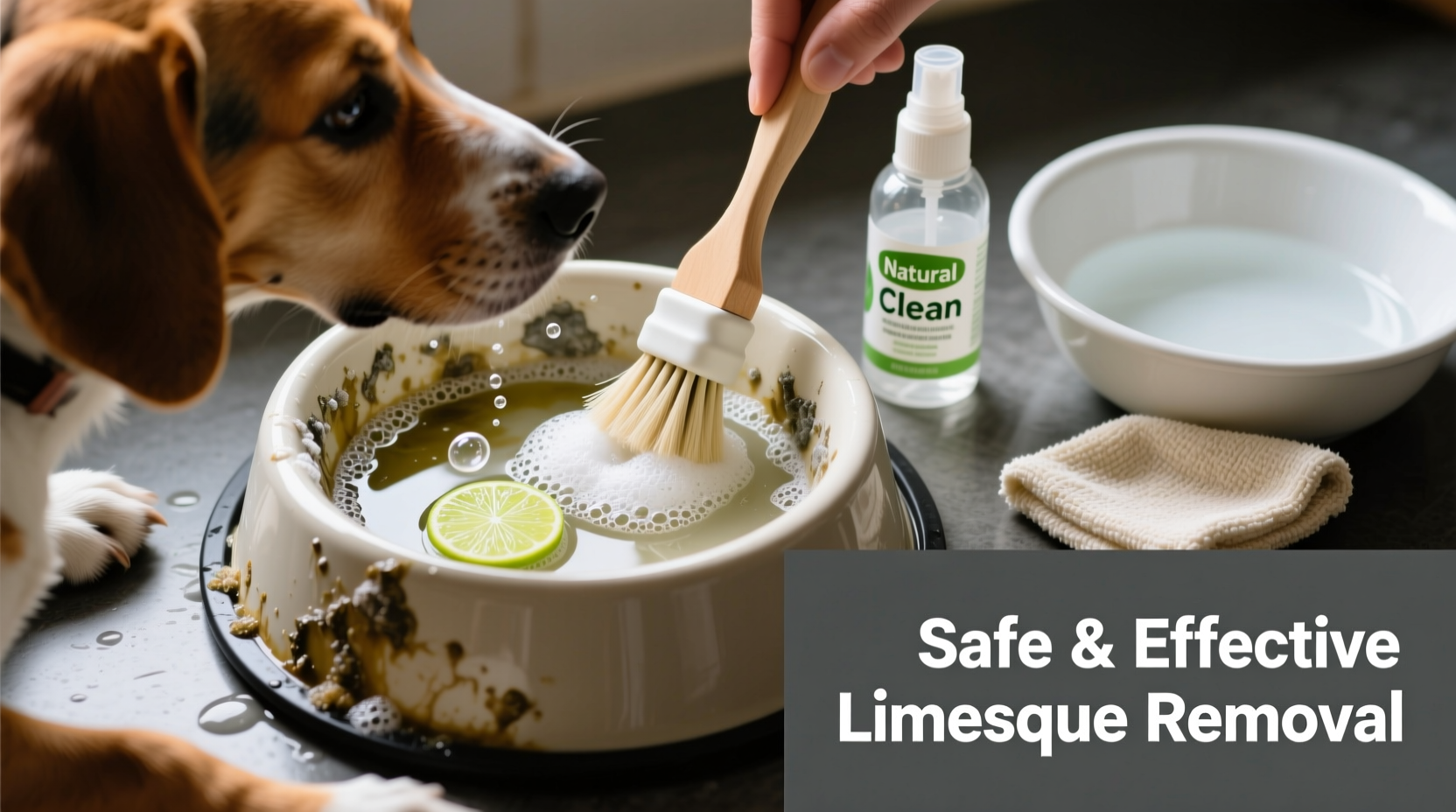
Limescale forms when hard water evaporates, leaving behind mineral deposits. These deposits not only make the bowl look unclean but also create microscopic crevices where bacteria like E. coli and Pseudomonas can grow. Over time, this biofilm becomes harder to remove and may deter your dog from drinking enough water due to altered taste or texture.
Dogs are sensitive to changes in their environment, including the smell and taste of their drinking water. A consistently dirty bowl—even if only visually—can lead to reduced water intake, increasing the risk of dehydration, urinary tract issues, and kidney strain. Regular descaling ensures your dog enjoys fresh, clean water every day.
“Maintaining a clean water bowl is as important as providing quality food. Mineral buildup can compromise hygiene and discourage proper hydration.” — Dr. Laura Simmons, DVM, Small Animal Nutrition Specialist
Natural and Safe Methods to Remove Limescale
Using toxic cleaners near your pet’s food or water is never advisable. Fortunately, several household items effectively dissolve limescale without posing risks to your dog when used correctly. Below are proven, non-toxic methods:
Vinegar Soak (White or Apple Cider Vinegar)
Vinegar is one of the most effective natural descalers due to its acetic acid content, which breaks down calcium carbonate—the primary component of limescale.
- Empty the bowl and rinse off loose debris.
- Pour enough white vinegar to cover the affected areas (about 1–2 cups).
- Let it soak for 30 minutes to 1 hour. For heavy buildup, leave overnight.
- Scrub gently with a soft brush or sponge.
- Rinse thoroughly with clean water to remove any vinegar residue.
Baking Soda Paste for Scrubbing
After soaking with vinegar, use baking soda as a gentle abrasive to lift remaining residue. It neutralizes odors and enhances cleaning without scratching most surfaces.
- Mix 2 tablespoons of baking soda with a small amount of water to form a paste.
- Apply to limescale spots and scrub with a non-abrasive sponge.
- Rinse completely before returning the bowl to your pet.
Lemon Juice for Light Deposits
Lemon juice contains citric acid, which dissolves light mineral deposits and leaves a fresh scent. It’s ideal for weekly upkeep.
- Squeeze half a lemon into the bowl, adding a splash of warm water.
- Let sit for 20–30 minutes.
- Scrub and rinse well.
Note: Avoid using on porous materials like unglazed ceramic, as citrus can degrade surfaces over time.
Step-by-Step Weekly Maintenance Routine
Prevention is easier than removal. Establishing a regular cleaning schedule minimizes limescale accumulation and supports long-term bowl hygiene.
- Daily: Empty, rinse, and refill the bowl with fresh water. Wipe the interior with a damp cloth.
- Every 3 Days: Wash with warm, soapy water and a soft brush. Inspect for early signs of scaling.
- Weekly: Perform a vinegar soak (30 minutes), followed by baking soda scrub if needed.
- Monthly: Deep clean and inspect the bowl for scratches or wear that could trap bacteria.
Do’s and Don’ts When Cleaning Your Dog’s Water Bowl
| Do | Don’t |
|---|---|
| Use stainless steel, glass, or glazed ceramic bowls—they resist bacterial growth and are easier to clean. | Use plastic bowls regularly; they scratch easily and harbor bacteria even after washing. |
| Rinse thoroughly after using vinegar or lemon juice to avoid lingering tastes. | Leave vinegar-soaked bowls unwashed; prolonged exposure may corrode metal over time. |
| Replace heavily pitted or cracked bowls that can’t be fully sanitized. | Use bleach unless absolutely necessary—and never without full rinsing and airing out. |
| Clean the bowl stand or mat underneath weekly to prevent cross-contamination. | Stack wet bowls for storage; moisture encourages mold and mildew. |
Real Example: How One Owner Fixed Chronic Limescale Issues
Sarah, a dog owner in central England with notoriously hard water, noticed her Labrador, Max, was drinking less each day. His stainless steel bowl developed thick, chalky rings within days of washing. Despite daily rinsing, the buildup returned quickly. Concerned about his hydration, she consulted her vet, who suggested evaluating the bowl’s cleanliness.
Sarah began soaking the bowl weekly in white vinegar overnight, followed by a baking soda scrub. She switched from a plastic base to a stainless steel stand that could also be cleaned easily. Within two weeks, Max’s drinking habits improved significantly. Sarah now maintains a strict cleaning log and uses filtered tap water during peak hardness months, reducing limescale formation by over 80%.
Frequently Asked Questions
Is limescale harmful if my dog ingests it?
In small amounts, limescale isn’t toxic, but chronic ingestion may contribute to digestive irritation or mineral imbalances. More importantly, the rough surface it creates traps bacteria, posing a greater health risk than the scale itself.
Can I use dishwashers to remove limescale?
Yes, if the bowl is dishwasher-safe. Run it on a hot cycle with a rinse aid to help dissolve minerals. However, handwashing with vinegar remains more effective for visible buildup, as dishwashers may not fully eliminate deposits in crevices.
How often should I deep-clean my dog’s water bowl?
Aim for a thorough descaling treatment at least once a week if you have hard water. In softer water areas, every two weeks may suffice. Adjust frequency based on visible buildup and your dog’s usage patterns.
Choosing the Right Bowl to Minimize Limescale
The material of your dog’s water bowl plays a significant role in how easily limescale forms and how simple it is to clean.
- Stainless Steel: Resistant to corrosion and easy to sanitize. Smooth surface prevents clinging of minerals when cleaned regularly.
- Glazed Ceramic: Non-porous when high-quality, but avoid cheap versions that may chip, creating hiding spots for bacteria.
- Glass: Completely inert and transparent, making it easy to spot buildup. Handle carefully to avoid breakage.
- Plastic: Not recommended for long-term use. Scratches accumulate, trapping both bacteria and mineral deposits.
For homes with hard water, pairing a stainless steel or glass bowl with weekly vinegar soaks offers the best defense against persistent scaling.
Final Checklist: Keeping Your Dog’s Water Bowl Scale-Free
- ☑ Inspect bowl daily for visible residue
- ☑ Rinse and refill with fresh water every day
- ☑ Perform vinegar soak weekly (or biweekly in soft water areas)
- ☑ Use baking soda for gentle scrubbing after soaking
- ☑ Replace old, scratched, or pitted bowls promptly
- ☑ Clean the bowl holder and surrounding area weekly
Conclusion
Keeping your dog’s water bowl free of limescale isn’t just about appearance—it’s a vital part of pet care that supports hydration, oral health, and overall well-being. By incorporating simple, natural cleaning methods like vinegar soaks and baking soda scrubs into your routine, you can maintain a hygienic drinking space without exposing your pet to harmful chemicals. The effort takes only minutes each week but pays off in better health and peace of mind. Start today: grab that bowl, give it a deep clean, and ensure your furry companion always has access to truly clean water.




 浙公网安备
33010002000092号
浙公网安备
33010002000092号 浙B2-20120091-4
Comments
No comments yet. Why don't you start the discussion?