
In an increasingly connected world, the ability to locate a mobile device can be essential—not for surveillance or control, but for safety, accountability, and peace of mind. Whether it's checking in on a child walking home from school, helping a forgetful family member find their lost phone, or ensuring an elderly parent with cognitive concerns remains safe, location tracking tools exist with strong privacy safeguards. However, misuse—such as secretly monitoring someone without consent—crosses ethical and often legal boundaries. The key lies in transparency, consent, and using only legitimate, built-in tools designed for responsible use.
Understanding Ethical and Legal Boundaries
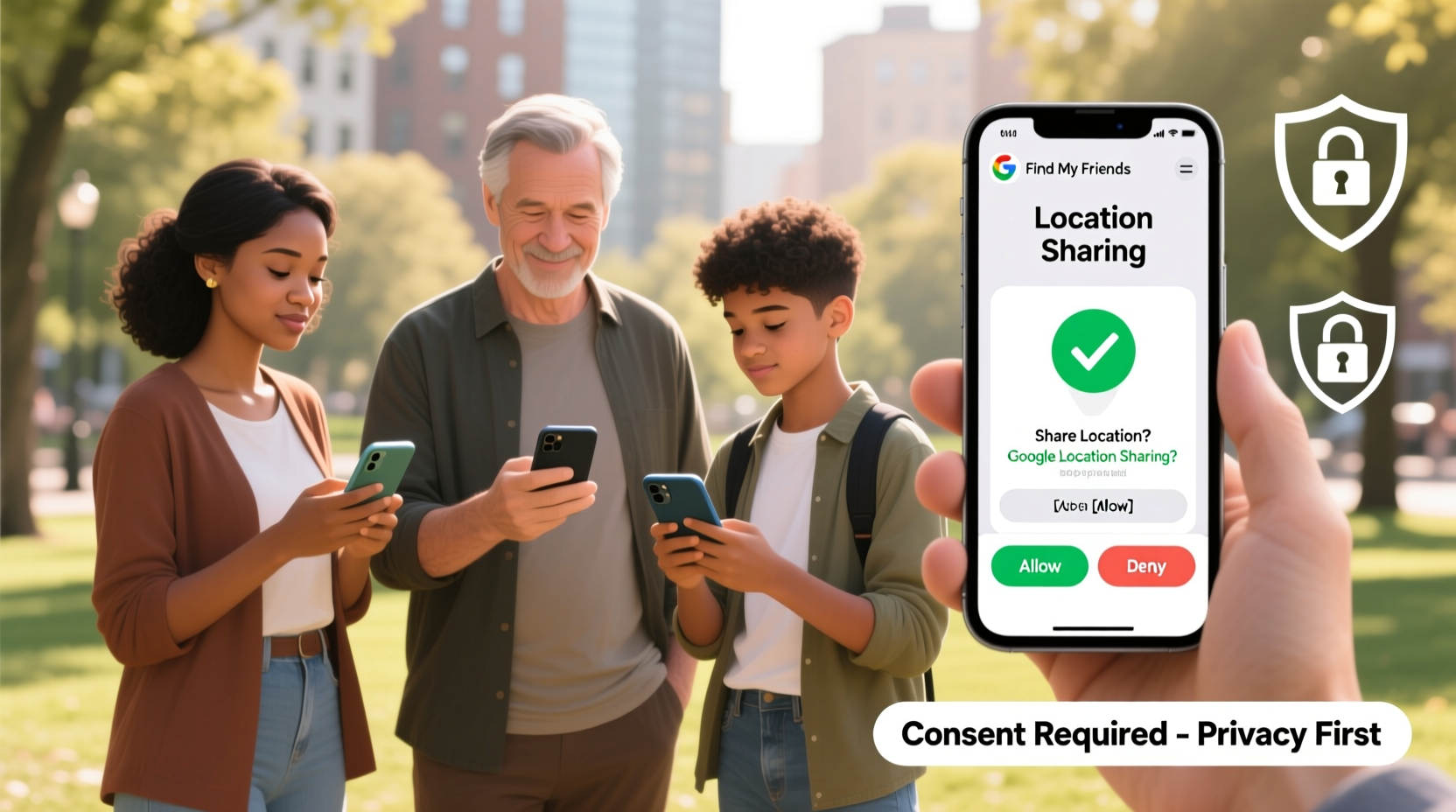
Before exploring any tracking method, it's critical to understand that tracking someone’s phone without their knowledge is illegal in most jurisdictions. Laws such as the Electronic Communications Privacy Act (ECPA) in the U.S. and the General Data Protection Regulation (GDPR) in the EU strictly prohibit unauthorized access to personal data, including real-time location. Exceptions exist when tracking minors under parental supervision or devices owned by an organization used by employees during work hours—but even then, clear policies and disclosures are required.
Ethics matter just as much as legality. Open communication builds trust. If you're considering tracking a loved one’s phone, have an honest conversation about why and how the information will be used. Transparency turns what could feel like surveillance into a shared safety strategy.
“Technology should enhance trust, not replace it. When families use location sharing responsibly, it becomes a tool for connection, not suspicion.” — Dr. Lena Patel, Digital Ethics Researcher, Stanford University
Safe and Approved Tracking Methods
Thankfully, both Apple and Google provide native, secure, and opt-in solutions for location sharing. These tools require explicit permission and are designed to respect user autonomy while enabling practical safety features.
Apple’s Find My Network
iOS users benefit from Apple’s tightly integrated ecosystem. With “Find My,” iPhone owners can:
- Share their live location with trusted contacts for a set duration or indefinitely.
- Locate lost devices, even if offline, via Bluetooth signals through nearby Apple devices.
- Remotely lock or erase a lost phone to protect data.
To use this ethically, the person being tracked must enable location sharing themselves and approve each contact they share with.
Google’s Find My Device & Location Sharing
Android users can leverage Google’s Find My Device to ring, lock, or erase a lost phone. For interpersonal tracking, Google Maps offers real-time location sharing:
- Open Google Maps.
- Tap your profile picture > “Location sharing.”
- Select contacts and duration (15 minutes to indefinitely).
The recipient receives a notification and can view the shared location in Maps. They can also stop sharing at any time.
Family-Oriented Tracking Apps with Consent
Dedicated family safety apps offer enhanced features while maintaining ethical standards through opt-in design. These platforms are ideal for parents managing children’s safety or caregivers supporting aging relatives.
| App | Key Features | Consent Mechanism |
|---|---|---|
| Life360 | Real-time location, driving reports, crash detection, geofencing alerts | Each member joins the circle voluntarily; notifications sent on join/leave |
| Google Family Link | Location tracking, screen time controls, app approvals for kids under 13 | Child account setup requires parent approval; child receives usage alerts |
| Apple Family Sharing | Find My integration, shared subscriptions, purchase approvals | Invitation-based; members accept before location or data is shared |
These services work best when all parties understand the purpose. For example, a teen might agree to share location after school in exchange for later curfew times—a negotiated balance of freedom and accountability.
Mini Case Study: Supporting an Aging Parent
Sarah, a daughter living in another state, grew concerned about her 78-year-old father, Robert, who had begun showing signs of mild cognitive decline. After discussing it openly, Robert agreed to install Life360 on his phone. Sarah set up geofence alerts for his daily routine: leaving home for his morning walk and returning within two hours. One afternoon, the alert triggered that he had left but hadn’t returned. Sarah called the local community center where he often stopped by—and found him disoriented but safe. Thanks to consensual tracking, a potential crisis was resolved quickly and respectfully.
Step-by-Step Guide to Setting Up Ethical Location Sharing
Follow this sequence to implement tracking responsibly:
- Initiate a conversation: Explain your reasons—safety, care, or coordination—not control.
- Choose a platform: Match the solution to the user’s device (iOS vs. Android) and needs (family, elder care, etc.).
- Set up together: Install the app or enable settings side-by-side to ensure understanding.
- Define boundaries: Agree on who sees the location, when, and for how long. Avoid 24/7 tracking unless medically necessary.
- Review periodically: Reassess the need every few months. As trust and circumstances evolve, so should the arrangement.
Common Misconceptions and Pitfalls
Several myths persist around phone tracking that can lead to misuse:
- Myth: “If I own the phone, I can track it anytime.”
Reality: Ownership doesn’t override privacy rights, especially for adults. Even parents should involve teens in decisions. - Myth: “Spyware apps are a discreet way to monitor.”
Reality: Most spy apps violate app store policies and local laws. They often require physical access to the device and may expose users to malware. - Myth: “Location sharing drains the battery fast.”
Reality: Modern systems use low-power GPS and background optimization. Impact is minimal unless actively navigating.
“Parents sometimes see tracking as a way to reduce anxiety. But over-monitoring can erode a child’s sense of autonomy. Balance is key.” — Dr. Marcus Reed, Child Psychologist
Frequently Asked Questions
Can I track someone’s phone without them knowing?
No, not legally or ethically. Any method that bypasses consent violates privacy laws and trust. Legitimate tools always notify the user when location is shared.
What if my child refuses to share their location?
Respect their autonomy, especially as they grow older. Instead of enforcing tracking, discuss safety concerns and explore compromises—like checking in via text after getting home.
Are free tracking apps safe to use?
Some are, like Google’s built-in tools or Apple’s Find My. Avoid third-party apps that promise “stealth mode” or don’t clearly explain data usage. Stick to reputable developers with transparent privacy policies.
Checklist: Responsible Phone Location Tracking
- ☑ Have an open discussion about why tracking is needed
- ☑ Obtain explicit, informed consent from the person involved
- ☑ Use only official, opt-in tools (e.g., Find My, Google Maps, Life360)
- ☑ Limit access to only those who need it (e.g., immediate family)
- ☑ Set expiration times for location sharing when possible
- ☑ Regularly review whether tracking is still necessary
- ☑ Respect the right to withdraw consent at any time
Conclusion
Tracking a phone’s location isn’t inherently invasive—it depends entirely on how and why it’s done. When grounded in consent, transparency, and care, these tools become powerful allies in protecting loved ones. From reuniting with a misplaced device to ensuring a family member arrives home safely, the technology exists to support us without compromising ethics. The real measure of success isn’t how accurately you can locate someone, but how well you preserve trust while doing so.




 浙公网安备
33010002000092号
浙公网安备
33010002000092号 浙B2-20120091-4
Comments
No comments yet. Why don't you start the discussion?