
Uneven skin tone is one of the most common concerns in modern skincare and makeup routines. Whether it’s redness from sensitivity, dullness from fatigue, or dark spots from sun exposure, discoloration can disrupt the harmony of your complexion. Enter color correcting primers—targeted cosmetic tools designed not just to conceal, but to neutralize unwanted tones before foundation application. When chosen and applied correctly, these primers create a balanced canvas that enhances the longevity and finish of your makeup while supporting healthier-looking skin over time.
Understanding Color Correction Science
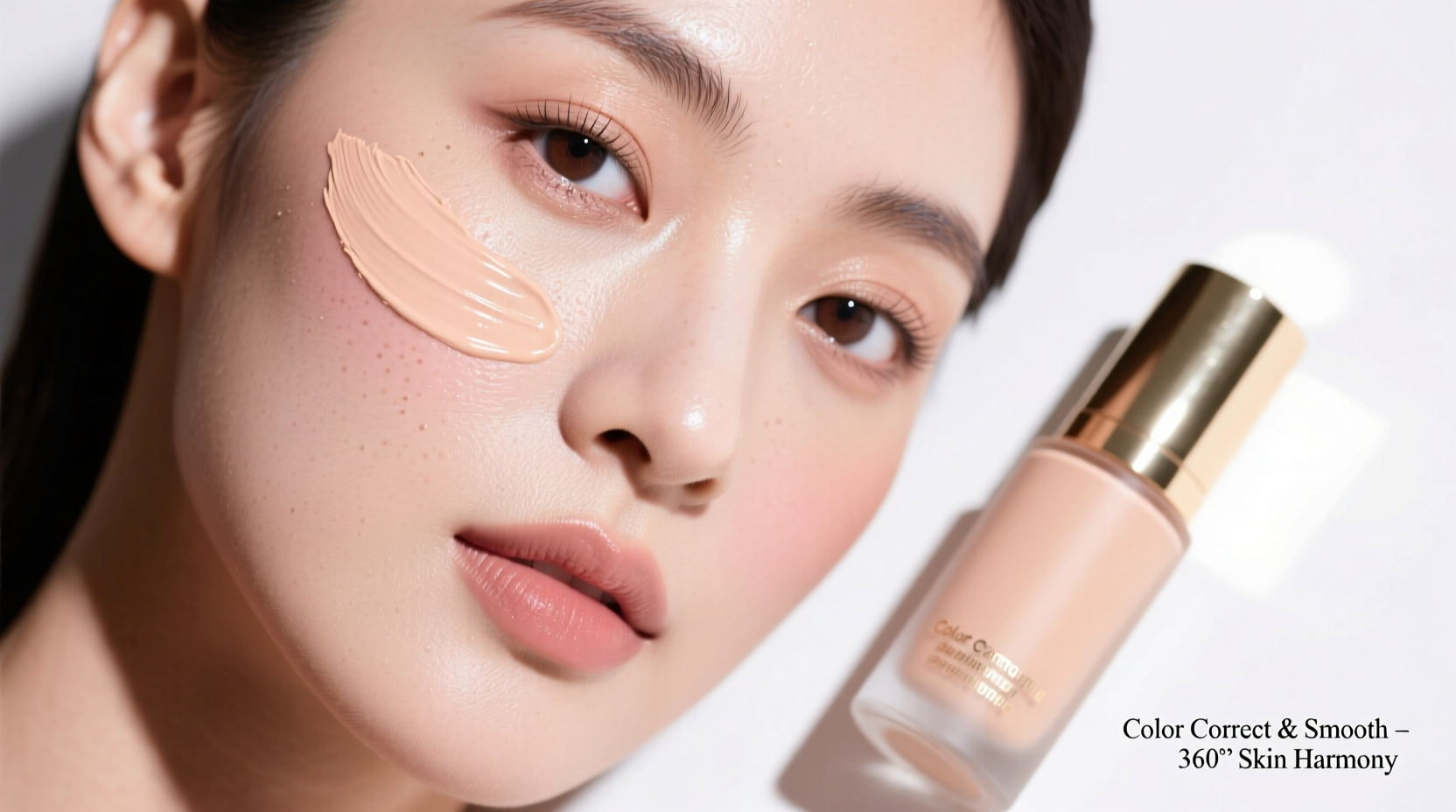
Color correction relies on the principles of the color wheel. Opposite colors cancel each other out. For example, green neutralizes redness, peach counteracts dark circles, and lavender evens out sallowness. Unlike full-coverage concealers, which mask imperfections with pigment, color correctors work beneath the surface level by adjusting tone at a chromatic level.
A well-formulated color correcting primer does more than correct—it often includes skincare benefits like hydration, SPF protection, or antioxidant infusion. This dual functionality makes it an essential step for those seeking both aesthetic improvement and long-term skin health.
“Color correction isn’t about hiding flaws; it’s about creating balance. The right primer can transform how foundation interacts with your skin.” — Dr. Lena Torres, Cosmetic Dermatologist
Selecting the Right Primer for Your Skin Concerns
Choosing a color correcting primer should be based on your dominant skin tone issues. Using the wrong shade can result in ashy, muddy, or overly tinted results. Below is a guide to match common skin concerns with the appropriate corrective hue:
| Skin Concern | Recommended Color | How It Works |
|---|---|---|
| Redness (rosacea, acne, irritation) | Green | Neutralizes red tones without drying the skin |
| Dullness or yellow undertones | Lavender / Purple | Brightens and adds radiance to sallow complexions |
| Dark spots or hyperpigmentation | Peach / Orange | Counteracts brownish discoloration, especially effective on medium to deep skin tones |
| Dark under-eye circles | Salmon / Peach | Lightens shadows caused by vascular darkness or thinning skin |
| Overall uneven tone | Yellow-based or universal brightening | Provides subtle luminosity and evens out minor inconsistencies |
Top-Rated Primers for Specific Skin Types
Not all primers are created equal. Formulas vary widely in texture, coverage, and compatibility with different skin types. Here are some of the most effective options currently available, backed by dermatological testing and user reviews:
- For Oily Skin: Smashbox Photo Finish Reduce Redness Primer – lightweight, oil-free, contains micro-exfoliants to smooth texture while calming redness.
- For Dry Skin: IT Cosmetics Bye Bye Redness Neutralizing Correcting Cream – infused with hyaluronic acid and ceramides to hydrate while delivering full correction.
- For Sensitive Skin: First Aid Beauty Anti-Redness Relief Primer – fragrance-free, hypoallergenic, and clinically proven to reduce irritation over time.
- For Mature Skin: Laura Mercier Secret Camouflage Primer – blends seamlessly, avoids settling into fine lines, and provides soft-focus blurring.
- Multitasking Option: Hourglass Veil Mineral Primer – offers SPF 15, blue-light protection, and a universal tint that adapts to various undertones.
When evaluating products, look for non-comedogenic labels if you’re acne-prone, and avoid alcohol-heavy formulas if your skin tends toward dryness or reactivity.
Real Example: Transforming a Client’s Daily Routine
Jamila, a 34-year-old educator with combination skin and persistent post-acne redness, struggled with foundation oxidation and patchiness. After switching from a generic smoothing primer to a targeted green-tinted formula (Smashbox Anti-Redness), she noticed immediate improvements. Within two weeks, her makeup lasted longer, required less touch-up, and appeared more natural. “It’s not just about covering up,” she said. “My skin looks calmer, even when I wear no foundation.” A follow-up consultation with her esthetician confirmed reduced inflammation due to consistent use of soothing ingredients in the new primer.
Step-by-Step Application Guide
Applying color correcting primer incorrectly can lead to streaking, pilling, or muddied foundation. Follow this sequence for optimal results:
- Cleanse and moisturize: Begin with a clean face and apply a lightweight moisturizer. Allow it to absorb fully (wait 3–5 minutes).
- Identify target zones: Map areas of concern—typically cheeks for redness, under eyes for darkness, forehead for dullness.
- Apply sparingly: Use a small amount (pea-sized) of corrector. Dab onto problem areas using fingertips or a flat concealer brush.
- Blend outward: Gently pat and blend edges into the skin. Avoid dragging, which can cause lifting later.
- Set lightly (optional): If using a liquid corrector and applying powder foundation, set with a translucent powder only where needed.
- Follow with foundation: Apply your base product as usual. You’ll need less coverage, resulting in a lighter, more breathable finish.
Common Mistakes to Avoid
- Using too much product: Excess primer creates a cakey texture and interferes with foundation adhesion.
- Skipping skincare prep: Applying primer on dehydrated or flaky skin causes pilling and uneven absorption.
- Mixing incompatible formulas: Silicone-based primers shouldn’t be layered under water-based foundations without proper buffering.
- Ignoring undertone shifts: Some green primers lean gray or ashy—opt for warm-toned versions if you have golden or olive undertones.
- Layering multiple correctors: Combining several shades (e.g., green + purple) can result in a muddy appearance unless expertly blended.
Checklist: Choosing & Using Your Ideal Color Correcting Primer
- ✅ Identify your primary skin concern (redness, dullness, darkness, etc.)
- ✅ Match it with the complementary color corrector
- ✅ Choose a formula suited to your skin type (oily, dry, sensitive, mature)
- ✅ Patch test for sensitivity, especially around the eye area
- ✅ Apply after moisturizer, before foundation
- ✅ Use a minimal amount and blend thoroughly
- ✅ Monitor long-term effects on skin clarity and tone consistency
Frequently Asked Questions
Can I wear color correcting primer alone?
Yes, many lightweight correctors provide enough sheer coverage and brightness to be worn solo for a “no-makeup” look. Green and lavender primers, in particular, offer a naturally even finish when applied lightly.
Should I apply color corrector before or after regular concealer?
Always apply color corrector first—as a base layer—to neutralize tone, then use flesh-toned concealer on top for opacity and highlighting. Reversing the order diminishes the corrective effect.
Do color correcting primers clog pores?
Some heavy or silicone-laden formulas may contribute to congestion in acne-prone individuals. Look for “non-comedogenic,” “oil-free,” or “dermatologist-tested” labels to minimize risk.
Final Thoughts and Call to Action
Smoothing skin tone isn’t about achieving perfection—it’s about enhancing your natural beauty through intelligent product choices. The best color correcting primer acts as a bridge between skincare and makeup, offering both immediate visual correction and gradual improvement in skin appearance. With the right selection and technique, you can minimize redness, brighten shadows, and create a consistently even base that lasts all day.
Don’t settle for inconsistent coverage or reactive ingredients. Take control of your routine by evaluating your current primer, identifying what’s missing, and upgrading to a solution tailored to your unique tone and texture. Experiment mindfully, track changes, and refine your approach over time. Your skin deserves precision, care, and confidence.




 浙公网安备
33010002000092号
浙公网安备
33010002000092号 浙B2-20120091-4
Comments
No comments yet. Why don't you start the discussion?