
A brand name is more than just a label—it’s the first impression, the emotional hook, and often the deciding factor in whether a customer remembers you or moves on. In a world saturated with products and services, choosing a name that captures attention, communicates value, and sticks in memory is critical. The right name can become synonymous with trust, innovation, or quality. The wrong one can confuse, mislead, or fade into obscurity. Crafting a powerful brand name requires strategy, creativity, and insight into both your audience and market landscape.
Understand Your Brand Identity Before Naming
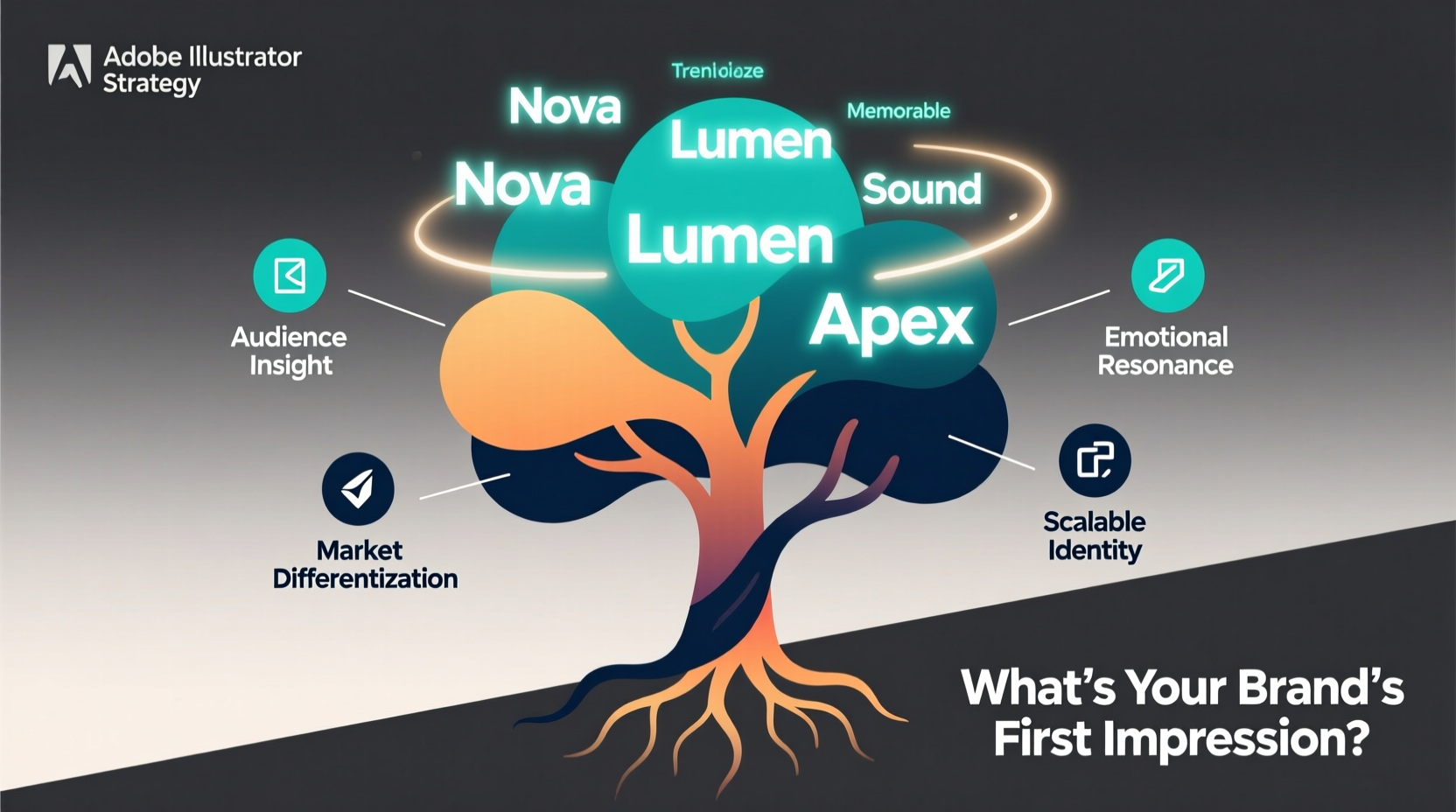
Before brainstorming names, clarify your brand’s core identity. What does your brand stand for? Who is it for? What problem does it solve? A strong name reflects purpose, tone, and positioning. For example, “Patagonia” evokes rugged wilderness and environmental stewardship, aligning perfectly with its outdoor apparel mission. Conversely, a tech startup focused on speed and precision might lean toward sharp, modern-sounding names like “Nexa” or “Voltic.”
Ask yourself: Is your brand playful or professional? Traditional or disruptive? Luxury or accessible? These traits should guide your naming direction. A mismatch between name and identity—such as a whimsical name for a financial advisory firm—can undermine credibility.
Follow a Step-by-Step Naming Process
Creating a standout brand name isn’t about waiting for inspiration—it’s about systematic exploration. Follow this timeline to generate, refine, and validate candidates:
- Research the Landscape: Analyze competitors’ names. Identify patterns (e.g., many fintech brands use “-ly” or “-fi”) and avoid blending in.
- Define Naming Criteria: List must-haves: length (ideally 1–3 syllables), ease of pronunciation, domain availability, cultural sensitivity.
- Brainstorm Widely: Use wordplay, metaphors, invented words, or foreign language roots. Combine keywords (e.g., “bright” + “path” = Brightpath).
- Narrow the List: Eliminate names that are hard to spell, already trademarked, or have negative connotations in key markets.
- Test with Real People: Present top choices to target customers. Ask: What emotions does it evoke? What kind of company do you think this is?
- Secure Legal Rights: Conduct a trademark search and register the name. Check domain and social media handle availability.
This structured approach prevents hasty decisions and increases the odds of selecting a durable, ownable name.
Use Strategic Naming Techniques That Work
Successful brand names often fall into recognizable categories, each with strengths:
- Descriptive: Clearly states what the brand does (e.g., General Motors, PayPal). High clarity but limited creativity.
- Suggestive: Hints at benefits or qualities (e.g., Spotify suggests “spot” and “identify,” implying music discovery). Balances meaning and memorability.
- Abstract: Invented or unique words (e.g., Kodak, Zillow). Highly distinctive and trademark-friendly, but require marketing investment to build recognition.
- Evocative: Evoke imagery or emotion (e.g., Amazon suggests vastness; Tesla honors an innovator). Strong storytelling potential.
- Acronyms: Shortened forms (e.g., IBM, KFC). Practical for long names but often lack warmth.
The most resilient names often combine suggestive and evocative qualities. They don’t just describe—they resonate.
Checklist: Does Your Name Pass the Test?
Before finalizing, run your shortlisted names through this practical checklist:
- ✅ Easy to pronounce and spell
- ✅ Available as a .com domain
- ✅ Social media handles are free (Twitter, Instagram, LinkedIn)
- ✅ No negative meanings in other languages
- ✅ Not too similar to existing brands
- ✅ Works across product lines and future expansions
- ✅ Sounds good when spoken aloud (“Say it on the phone test”)
- ✅ Evokes the right emotion or association
If a name fails even one of these, reconsider. A small oversight today can lead to rebranding costs tomorrow.
Common Pitfalls to Avoid
Even experienced founders make naming mistakes. Here’s what to watch for:
| Pitfall | Why It’s Risky | Better Approach |
|---|---|---|
| Overly clever or cryptic names | Confuse customers; hard to remember | Prioritize clarity over wit |
| Generic terms (e.g., “Quick Service Co.”) | Forgettable and hard to trademark | Add uniqueness while keeping relevance |
| Names tied to one location or product | Limits scalability (e.g., “Boston Bagels” going national) | Choose flexible, forward-looking names |
| Hard-to-spell variations (e.g., “Fone” instead of “Phone”) | Customers won’t find you online | Sacrifice novelty for usability |
Real Example: How “Slack” Was Named
When Stewart Butterfield’s team was developing a new communication tool, they initially called it “Linefeed.” But during internal testing, they referred to it as “the slack,” short for “searchable log of all conversations and knowledge.” The name stuck—not because it was flashy, but because it reflected the product’s function and felt human.
They tested it with users, secured the domain (after acquiring it from a defunct gaming site), and launched. “Slack” is now synonymous with workplace messaging. The lesson? Sometimes the best names emerge from real usage, not forced creativity.
Expert Insight: What Industry Leaders Say
“Your brand name is the cornerstone of everything you’ll build. It should be simple, ownable, and meaningful—not just catchy.” — Margaret Johnson, Chief Creative Officer at Goodby Silverstein & Partners
“A great name works silently every day. It doesn’t need explanation. It earns equity with every mention.” — David Placek, Founder of Lexicon Branding (creators of names like BlackBerry and Swiffer)
These insights emphasize that lasting names aren’t about trends—they’re about strategic alignment and long-term vision.
Frequently Asked Questions
Can I change my brand name later if needed?
Yes, but it’s costly and risky. Rebranding can confuse customers, dilute loyalty, and require new marketing investments. It’s far better to get the name right early. If a change is unavoidable, plan a phased transition with clear communication.
Should I include keywords in my brand name for SEO?
Not necessarily. While keywords can help with discoverability, they often make names generic. Focus on branding first. You can always optimize website content separately for search engines without compromising the name’s strength.
Is it okay to use my own name as the brand?
It depends. Personal names work well for consultants, creatives, or legacy brands (e.g., Ford, Calvin Klein). But they may limit expansion beyond the individual or create succession challenges. Consider whether the brand should outgrow its founder.
Conclusion: Choose a Name That Builds Legacy
Selecting a brand name is one of the most consequential decisions you’ll make. It sets the tone for your visual identity, messaging, and customer perception. A resonant name doesn’t just stand out—it connects, endures, and grows in value over time. By grounding your choice in strategy, testing rigorously, and avoiding common traps, you lay the foundation for a brand that means something.




 浙公网安备
33010002000092号
浙公网安备
33010002000092号 浙B2-20120091-4
Comments
No comments yet. Why don't you start the discussion?