
Cotton bedding is a favorite for its breathability, comfort, and natural feel. However, over time, even high-quality cotton sheets can develop unsightly pills—small fabric balls that form from fiber breakage and friction. Pilling not only affects appearance but can make sheets feel rough and less comfortable. The good news is that with proper care, you can significantly reduce or delay pilling and extend the softness and lifespan of your cotton bedding. This guide covers science-backed methods, practical routines, and expert insights to help you maintain luxurious, pill-free sheets for years.
Understanding Pilling in Cotton Bedding
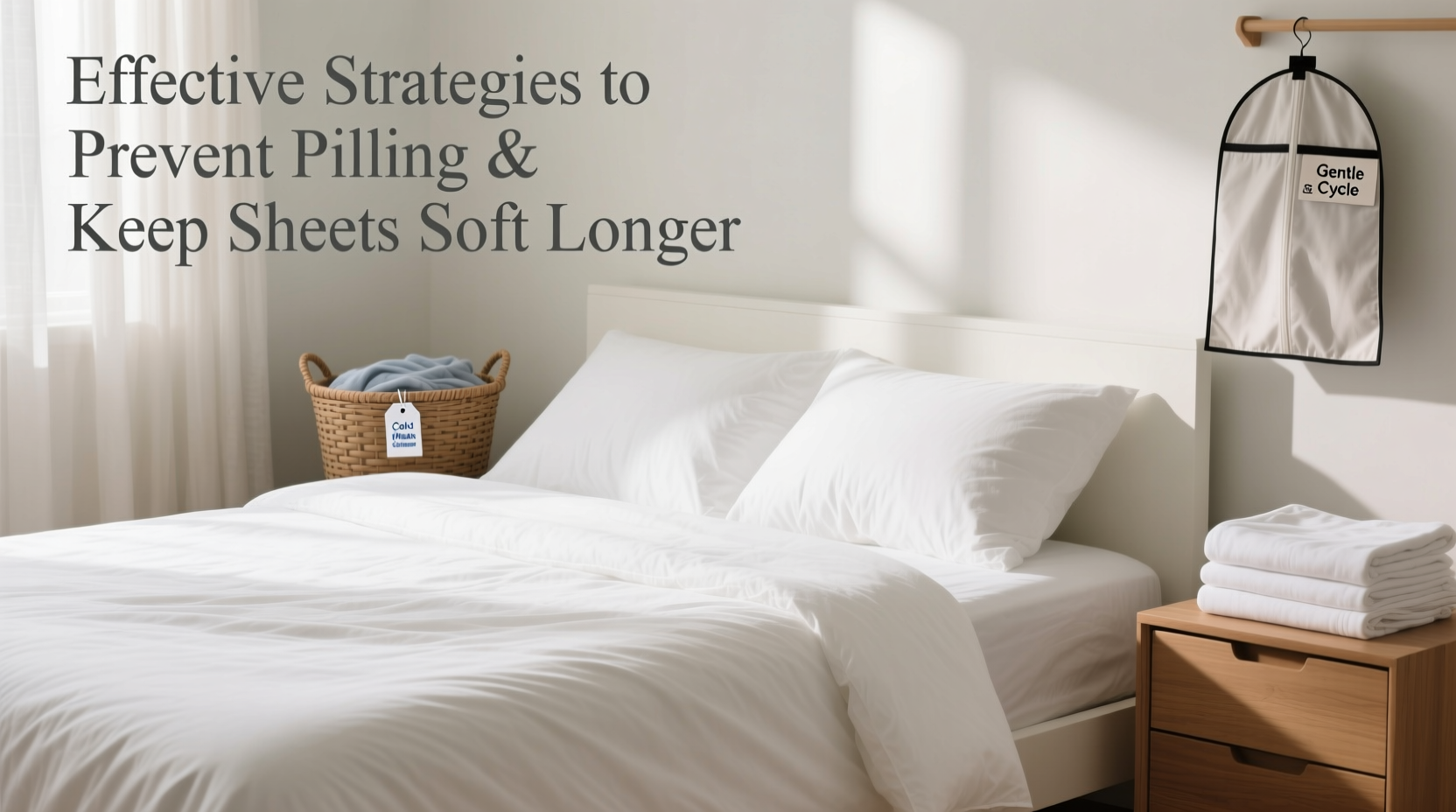
Pilling occurs when short fibers on the surface of fabric break and tangle into tiny knots due to repeated rubbing—whether from body movement, machine washing, or contact with other textiles. While pilling is often mistaken as a sign of poor quality, it can happen even with premium cotton. Factors like fiber length, weave type, and laundering habits all play a role.
Long-staple cottons such as Egyptian or Pima are less prone to pilling because their fibers are stronger and more tightly spun. In contrast, shorter staple cottons or lower thread counts may pill faster. Additionally, tighter weaves like percale resist pilling better than looser sateen weaves, which have a smoother surface but more exposed yarns.
“Pilling isn’t inevitable—it’s largely preventable through mindful washing and usage habits.” — Dr. Lena Patel, Textile Scientist at the Home Fabric Institute
Washing Techniques That Minimize Damage
How you wash your cotton sheets directly impacts their longevity. Aggressive cycles, harsh detergents, and improper sorting can accelerate wear and tear. Adopting a gentle laundering routine preserves fiber integrity and reduces pilling.
Use Cold Water and Gentle Cycles
Hot water weakens cotton fibers over time, making them more susceptible to breakage. Wash your sheets in cold water (ideally 30°C or below) using the delicate or gentle cycle. This minimizes mechanical stress while still effectively removing sweat, oils, and allergens.
Avoid Overloading the Machine
Overcrowding forces fabrics to rub against each other excessively. Leave enough space in the drum—about a hand’s width between the top of the load and the lid—to allow room for movement without friction.
Choose Mild, pH-Balanced Detergents
Harsh chemicals, especially those with bleach or enzymes designed for heavy stains, degrade cotton fibers. Opt for plant-based, fragrance-free detergents formulated for delicates. Avoid liquid fabric softeners, which coat fibers and reduce absorbency; instead, use white vinegar as a natural alternative (½ cup per load).
Drying Practices for Long-Term Softness
The drying phase is just as critical as washing. High heat and prolonged tumbling contribute significantly to fiber breakdown and pilling.
Air-Dry When Possible
Natural drying on a clothesline or rack is the gentlest method. Sunlight also acts as a natural disinfectant and helps eliminate odors. Hang sheets flat or over two lines to avoid stretching, and bring them in before they’re fully dry to reduce stiffness.
If Using a Dryer, Use Low Heat
Set your dryer to low or medium heat and remove sheets while slightly damp. Over-drying makes cotton brittle and increases surface fuzziness. Tumble drying with wool dryer balls helps soften sheets naturally and reduces static without chemical residues.
Do’s and Don’ts: A Quick Reference Table
| Practice | Do | Don't |
|---|---|---|
| Washing Temperature | Cold water (≤30°C) | Hot water |
| Detergent Type | Mild, plant-based formula | Bleach or strong enzymes |
| Drying Method | Air-dry or low-heat tumble | High-heat drying |
| Load Size | Loose, unclumped load | Overloaded machine |
| Fabric Softening | White vinegar or wool balls | Liquid fabric softener |
Real-Life Example: How One Household Reduced Pilling by 70%
Sarah and James, a couple in Portland, noticed their luxury 400-thread-count cotton sheets began pilling within six months. After consulting a linen specialist, they adjusted their laundry routine: switching to cold washes, using half the detergent amount, installing wool dryer balls, and rotating two sets of sheets weekly. Within three months, new pilling stopped forming, and existing pills diminished with gentle brushing. After one year, the sheets remained soft and visually clean—extending their usable life far beyond the typical 18-month mark.
Step-by-Step Care Routine for Pill-Free Sheets
Follow this weekly maintenance plan to preserve your cotton bedding:
- Strip bed weekly: Change and launder sheets every 7–10 days to prevent oil buildup.
- Sort carefully: Wash sheets separately from towels, zippers, or rough fabrics.
- Turn inside out: Protect the outer surface during washing.
- Use cold water + mild detergent: Add ½ cup white vinegar instead of softener.
- Select gentle cycle: Avoid spin speeds above 800 RPM.
- Dry naturally or on low heat: Remove while slightly damp if machine drying.
- Store properly: Fold neatly in a cool, dry drawer away from sunlight.
Additional Tips to Maintain Softness and Prevent Wear
- Rotate multiple sets: Owning 2–3 sets allows each pair to rest between uses, reducing cumulative stress.
- Trim loose threads: Snip small pulls with scissors—don’t pull them, as this can unravel stitching.
- Avoid abrasive lotions: Some body creams contain exfoliants or mineral particles that increase friction on fabric.
- Use a mattress protector: Reduces direct contact with sweat and dead skin, minimizing soil and abrasion.
“Rotating bedding and avoiding high heat are simple changes that yield dramatic results in fabric longevity.” — Maria Tran, Home Care Consultant at LinenWell Co.
FAQ: Common Questions About Cotton Sheet Care
Can I fix already pilled sheets?
Yes. Use a fabric shaver or disposable razor to gently remove pills. Do this on a flat surface with light strokes. While this won’t restore original smoothness completely, it improves appearance and texture. Prevention remains more effective than correction.
Does thread count affect pilling?
Thread count alone doesn’t prevent pilling. A 600-thread-count sheet made with short fibers may pill faster than a 300-thread-count long-staple cotton percale. Focus on fiber quality and weave tightness rather than number alone.
How often should I replace cotton sheets?
With proper care, high-quality cotton sheets last 3–5 years. Signs it’s time to replace include thinning fabric, persistent pilling, discoloration, or loss of softness despite correct washing.
Final Thoughts: Small Habits, Lasting Results
Preserving the softness and appearance of cotton bedding doesn’t require expensive products or complex rituals. It comes down to consistent, thoughtful habits: washing gently, drying wisely, and treating your sheets as an investment in comfort and sleep quality. By understanding how pilling forms and adjusting your routine accordingly, you can enjoy silky, pill-free sheets for seasons to come. The effort pays off not just in aesthetics, but in daily comfort and long-term value.




 浙公网安备
33010002000092号
浙公网安备
33010002000092号 浙B2-20120091-4
Comments
No comments yet. Why don't you start the discussion?