
A sideboard is more than just a piece of furniture—it’s often a centerpiece in dining rooms or living areas, serving both functional and aesthetic roles. Whether it's used for storing tableware, displaying family heirlooms, or doubling as a buffet during gatherings, its appearance directly impacts the ambiance of your space. However, daily use exposes it to constant risks: scratches from utensils, spills, abrasive cleaning tools, and accidental bumps. Over time, these small damages accumulate, dulling its finish and diminishing its value.
The good news is that most damage is preventable. With the right habits, materials, and maintenance routines, you can preserve your sideboard’s beauty for decades. This guide outlines proven, practical methods to protect your investment—without resorting to extreme measures or costly products.
Choose Protective Placement Wisely
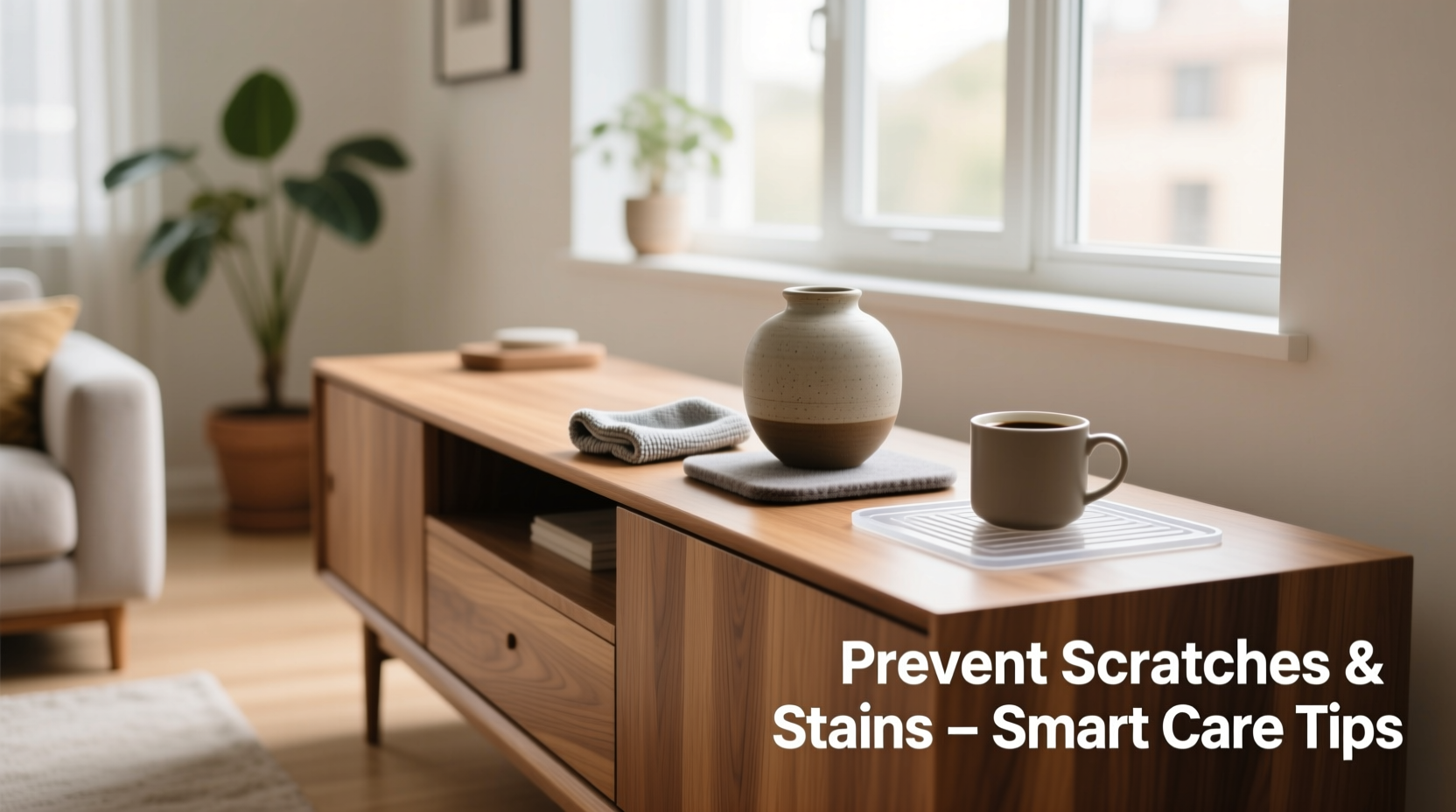
Location plays a surprisingly large role in preserving your sideboard. Placing it near high-traffic zones increases the likelihood of accidental contact. Similarly, positioning it in direct sunlight can cause fading and make wood more brittle, increasing susceptibility to cracks and scratches.
Optimal placement keeps the sideboard away from door swings, narrow hallways, and children’s play areas. If space constraints require proximity to active zones, consider installing soft-edge bumpers on nearby corners or using floor mats to reduce foot traffic impact.
Use Surface Protectors Without Compromising Style
One of the simplest yet most effective defenses is using surface protectors. While glass tops are commonly associated with dated design, modern tempered glass options are sleek, nearly invisible, and highly durable. They shield against heat, liquids, and sharp objects while allowing the natural grain of wood to shine through.
Alternatively, fabric runners or linen cloths offer a softer solution. Choose neutral tones or patterns that complement your décor. These can be easily removed and washed, providing a flexible layer of defense during meals or events.
Felt pads under decorative items like vases or photo frames also prevent micro-scratches caused by shifting objects. Even lightweight ceramics can leave marks over time when moved repeatedly across a polished surface.
Adopt a Proactive Cleaning Routine
Daily dusting with a microfiber cloth removes particles that act like sandpaper when rubbed across the surface. For deeper cleaning, use pH-neutral wood cleaners—never ammonia-based or citrus-infused sprays, which strip finishes and accelerate wear.
“Regular dusting and gentle wiping prevent grit buildup, which is responsible for up to 70% of fine scratches on wooden furniture.” — Lena Peterson, Furniture Restoration Specialist
Avoid soaking the wood. Dampen your cloth slightly, wring it thoroughly, and wipe in the direction of the grain. Dry immediately with a second clean cloth. Never let moisture sit, especially on veneered surfaces, where water can seep beneath layers and cause lifting or staining.
Step-by-Step Weekly Maintenance Timeline
- Day 1: Dust the entire surface and interior compartments with a dry microfiber cloth.
- Day 3: Inspect for sticky spots or minor spills; spot-clean with a barely damp cloth and immediate drying.
- Day 7: Polish with a manufacturer-recommended wax or oil (if applicable) to restore luster and add a protective barrier.
Prevent Stains Before They Happen
Liquids are the primary cause of permanent stains on sideboards. Wine, coffee, and even condensation from cold drinks can penetrate porous finishes within minutes. The key is immediate action—but better still, prevention.
Always use coasters under glasses and trivets under hot dishes. Encourage household members and guests to follow this rule consistently. Transparent silicone coasters are unobtrusive and provide excellent grip, reducing the chance of slippage.
If entertaining, set up a designated drink zone with a tray or mat. This contains spills and makes cleanup easier. Avoid placing potted plants directly on the surface—the soil retains moisture that can stain and warp wood over time.
| Risk Factor | Prevention Method | Frequency |
|---|---|---|
| Daily dust and debris | Dry microfiber cloth | Daily |
| Spills and moisture | Coasters and trivets | Always |
| Scratches from objects | Felt pads under decor | Ongoing |
| UV fading | Curtains or UV-filtering film | Permanent installation |
| Build-up of grime | pH-neutral cleaner | Weekly |
Real-Life Example: The Johnson Family Dining Room
The Johnsons purchased a walnut-finished sideboard for their formal dining room five years ago. Initially, they used it without protection, leading to visible water rings and fine scratches within the first year. After consulting a furniture restorer, they implemented several changes: installing a custom-cut tempered glass top, introducing felt pads under all display items, and establishing a Saturday morning cleaning ritual.
They also began using a decorative tray for everyday items like keys and mail, preventing repeated abrasion from metal objects. Within six months, the sideboard looked noticeably better, and no new damage occurred. Their experience shows that even heavily used furniture can maintain its condition with consistent, manageable habits.
Common Mistakes That Accelerate Damage
- Using paper towels for cleaning: They’re abrasive and may contain recycled fibers that scratch.
- Stacking heavy items on open shelves: Increases pressure and risk of warping or chipping.
- Ignoring hardware maintenance: Loose knobs or hinges can cause doors to sag and scrape against frames.
- Over-polishing: Excessive wax builds up residue and attracts dust.
Material-Specific Care Guidelines
Not all sideboards are created equal. The material dictates how you should protect it. Here’s a quick reference:
- Solid Wood: Susceptible to moisture and temperature changes. Use humidifiers in dry climates and avoid radiator proximity.
- Veneer: Thin layer of real wood over plywood. Never sand or use harsh chemicals—damage is irreversible.
- Laminate: Resistant to stains but prone to chipping at edges. Clean with mild soap and water only.
- Metal Accents: Wipe with a dry cloth to prevent oxidation. Avoid bleach or vinegar-based cleaners.
Frequently Asked Questions
Can I use olive oil to polish my wooden sideboard?
While some home remedies suggest olive oil, it’s not recommended for long-term care. Oil can turn rancid, attract dust, and create a sticky surface. Instead, use a commercial wood conditioner designed for furniture finishes.
How do I remove a white ring from a spill?
White rings are usually moisture trapped under the finish. Gently rub the area with a cloth dampened with denatured alcohol (test in an inconspicuous spot first). Follow with a dry cloth and apply furniture wax to restore protection. For deep-set rings, professional refinishing may be necessary.
Is it safe to place a TV on my sideboard?
Only if the sideboard is structurally designed for the weight. Distribute the load evenly and use a soft, non-slip mat between the TV and surface to prevent scratches. Ensure ventilation to avoid heat damage to the finish.
Essential Protection Checklist
Follow this checklist monthly to keep your sideboard in top condition:
- ✅ Inspect for loose hardware and tighten as needed
- ✅ Apply felt pads to the bottom of all decorative objects
- ✅ Replace worn coasters or trivets
- ✅ Clean drawers and shelves to prevent dust accumulation
- ✅ Check for signs of pests, especially in wooden joints
- ✅ Reapply protective wax or sealant if recommended by manufacturer
Conclusion: Protect Today, Preserve for Generations
Your sideboard deserves more than occasional attention—it’s a lasting part of your home’s character. By integrating simple protective habits into your routine, you prevent the gradual decline that turns a beautiful piece into a neglected one. From strategic placement to mindful cleaning, each step contributes to longevity and visual appeal.




 浙公网安备
33010002000092号
浙公网安备
33010002000092号 浙B2-20120091-4
Comments
No comments yet. Why don't you start the discussion?