
Cystic acne is among the most painful and stubborn forms of breakouts. Unlike surface-level pimples, cystic lesions form deep beneath the skin, often without a visible head. Attempting to pop them improperly can lead to scarring, prolonged inflammation, and even deeper infection. However, with the right approach, it’s possible to encourage a cystic pimple to come to a head and resolve—safely and effectively. The key lies in patience, proper technique, and avoiding common mistakes that do more harm than good.
Understanding Cystic Pimples
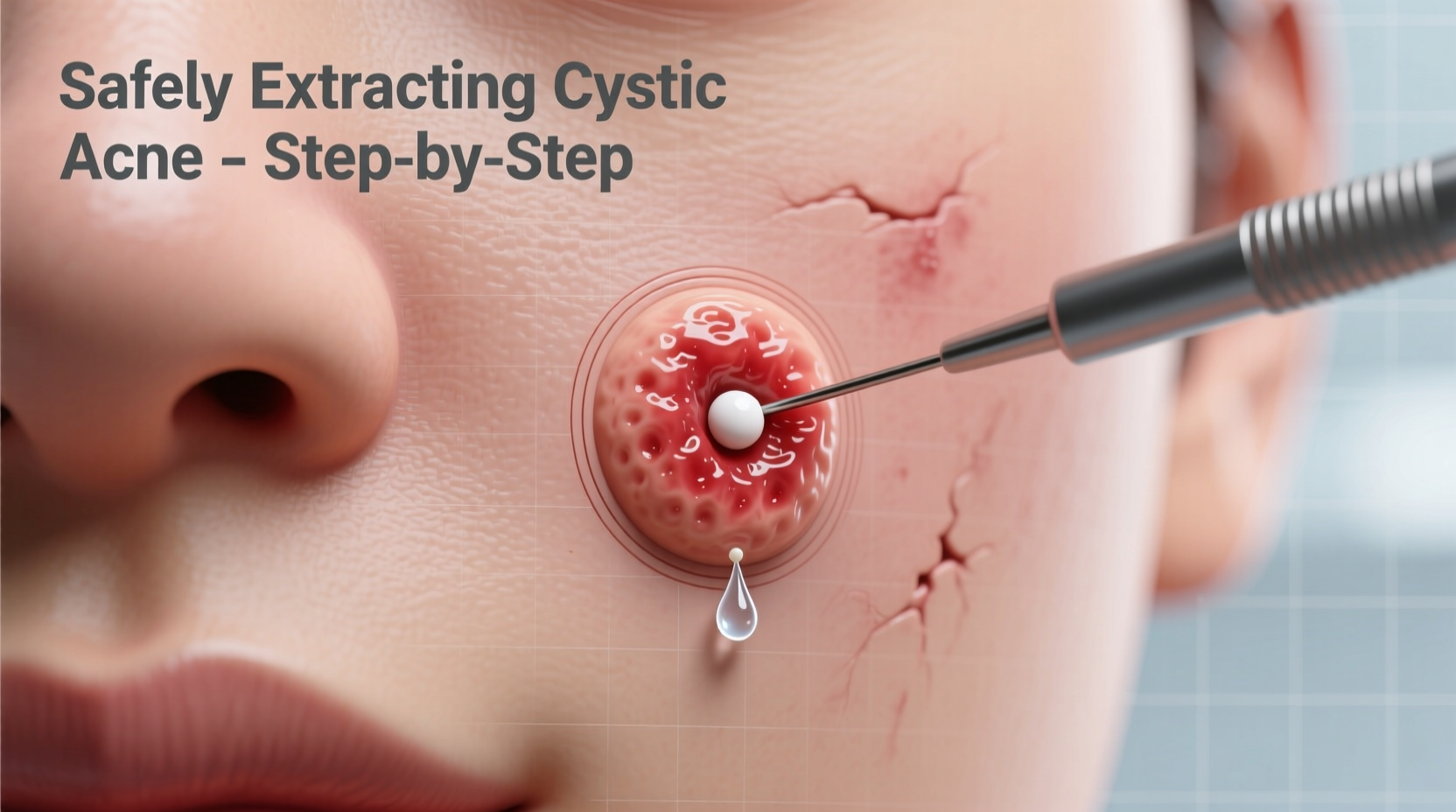
Cystic acne develops when pores become clogged with oil, dead skin cells, and bacteria, leading to a deep infection within the dermis. These pimples are typically large, red, tender to the touch, and may feel like hard knots under the skin. Because they lack an immediate opening, squeezing or picking only forces the contents deeper, increasing inflammation and risk of permanent scarring.
The goal isn’t to “pop” a cystic pimple but to gently encourage it to mature and drain naturally. This process requires time and consistent care. Dermatologists emphasize that aggressive extraction at home should be avoided—especially on inflamed, deep lesions.
“Cystic pimples are best treated by reducing inflammation first. Forcing drainage too early disrupts healing and increases the chance of hypertrophic scars.” — Dr. Lena Reyes, Board-Certified Dermatologist
Step-by-Step Guide to Safely Draw Out a Cystic Pimple
Patience and precision are essential. Follow this timeline-based method to promote natural drainage while minimizing damage:
- Day 1–2: Apply Warm Compresses
Use a clean washcloth soaked in warm (not hot) water. Hold it against the pimple for 10–15 minutes, 3–4 times daily. Heat increases blood flow, helping bring the pus to the surface. - Day 2–4: Use Topical Treatments
After cleansing, apply a spot treatment containing benzoyl peroxide (2.5%–5%) or a prescription-strength topical retinoid. These ingredients reduce bacteria and encourage cell turnover. - Day 3–5: Consider a Hydrocolloid Patch
Once a slight head begins to form, apply an acne patch overnight. These absorb excess fluid, protect the area from bacteria, and prevent picking. - Day 5+: Gentle Extraction (Only If Ready)
If a white or yellow head is clearly visible and the surrounding skin is no longer extremely tender, very gentle pressure *may* be applied—but only with sterile tools and clean hands. - Ongoing: Soothe and Protect
After any drainage, cleanse the area with a mild antibacterial wash and apply a thin layer of antibiotic ointment. Avoid makeup or occlusive products until fully healed.
Do’s and Don’ts When Managing Cystic Acne
| Do | Don’t |
|---|---|
| Wash face twice daily with a gentle cleanser | Scrub aggressively or use harsh exfoliants |
| Apply warm compresses regularly | Ice the pimple excessively—this can irritate tissue |
| Use non-comedogenic moisturizers | Sleep with makeup on or touch your face frequently |
| Seek dermatological help for recurring cysts | Pop, pick, or lance deep pimples yourself |
| Try tea tree oil (diluted) for mild antibacterial effects | Layer multiple active ingredients simultaneously |
Real Example: How Sarah Managed Her Jawline Cyst
Sarah, a 28-year-old graphic designer, noticed a deep, throbbing bump forming along her jawline. It was painful, hadn’t surfaced after three days, and she was tempted to squeeze it before an important client meeting. Instead, she followed a structured plan: she began applying warm compresses four times a day and used a 4% benzoyl peroxide gel each evening. By day four, a faint white center appeared. She applied a hydrocolloid patch overnight. On day six, the lesion had drained slightly into the patch. She cleaned the area with saline and applied a thin layer of bacitracin. Within two days, redness faded significantly, and no scar formed. Sarah credits her success to resisting the urge to rush the process.
When to See a Dermatologist
Some cystic pimples require professional intervention. If a lesion persists beyond 7–10 days, grows larger, becomes increasingly painful, or appears in clusters, consult a dermatologist. They may offer treatments such as:
- Corticosteroid injections – Rapidly reduce swelling and flatten cysts within 24–48 hours.
- Incision and drainage – Performed under sterile conditions to safely remove fluid.
- Oral medications – Such as spironolactone, antibiotics, or isotretinoin (Accutane) for chronic cases.
These options not only speed recovery but also minimize long-term damage. Early consultation can prevent a single cyst from triggering a cycle of breakouts.
FAQ: Common Questions About Cystic Pimples
Can I use a needle to lance my cystic pimple at home?
No. Even with sterilized tools, self-lancing risks introducing bacteria, spreading infection, and damaging surrounding tissue. Dermatologists perform extractions using medical-grade antiseptics and precision instruments—conditions impossible to replicate at home.
How long does it take for a cystic pimple to go away?
With proper care, most cystic pimples begin improving within 5–7 days and resolve fully in 10–14 days. Without treatment, they can linger for weeks and are more likely to scar.
Are there natural remedies that work?
Some natural agents, like diluted tea tree oil or warm chamomile compresses, have mild anti-inflammatory properties. However, they should complement—not replace—proven treatments like benzoyl peroxide or prescribed regimens, especially for severe cysts.
Final Checklist for Safe At-Home Care
- Wash hands thoroughly before touching the face
- Apply warm compresses 3–4 times daily
- Use a targeted acne treatment (benzoyl peroxide or salicylic acid)
- Avoid makeup or heavy creams on the affected area
- Never pick, poke, or force drainage
- Protect the skin with a non-comedogenic moisturizer
- Monitor for signs of worsening (increased pain, spreading redness)
- Consult a dermatologist if no improvement in one week
Conclusion: Prioritize Skin Health Over Quick Fixes
Dealing with a cystic pimple is frustrating, but rushing the process almost always backfires. The safest and most effective strategy combines consistent care, evidence-based treatments, and knowing when to seek professional help. Your skin’s integrity is far more valuable than the temporary satisfaction of popping a pimple. By treating cystic acne with patience and respect, you protect against scarring and support long-term clarity.




 浙公网安备
33010002000092号
浙公网安备
33010002000092号 浙B2-20120091-4
Comments
No comments yet. Why don't you start the discussion?