
Birthmarks are common skin irregularities that appear at birth or shortly afterward. While many are harmless and fade over time, others may persist, grow, or affect self-confidence due to their visibility. For individuals seeking removal, a range of medical and cosmetic treatments exist—but safety and professional guidance are paramount. Understanding the types of birthmarks, evaluating risks, and choosing evidence-based therapies can make all the difference in achieving clear, healthy skin without complications.
Understanding Birthmark Types and Causes
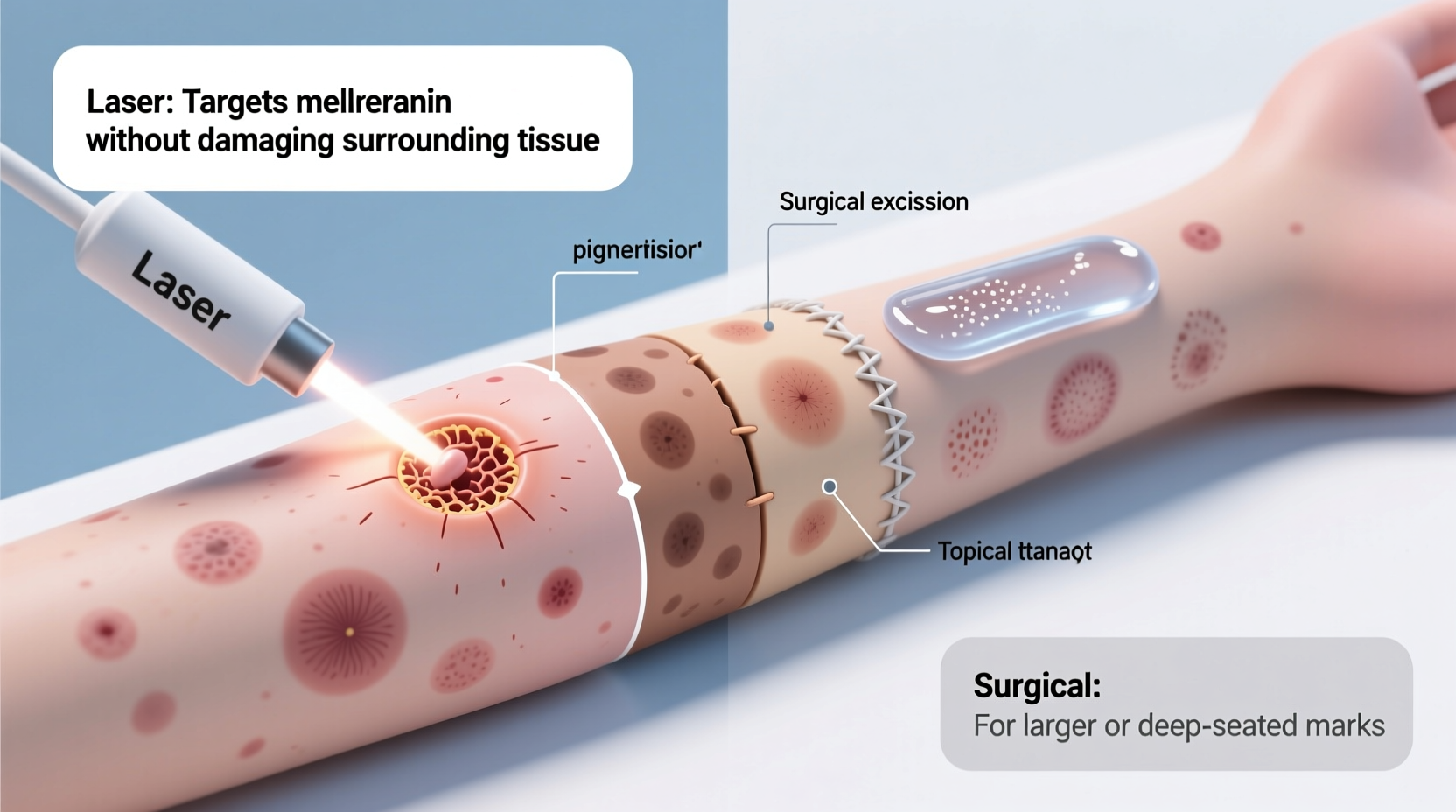
Not all birthmarks are the same. They fall into two primary categories: vascular and pigmented. Vascular birthmarks result from abnormal blood vessel formation, while pigmented ones stem from clusters of melanin-producing cells.
- Vascular birthmarks: Include hemangiomas and port-wine stains. These often appear red, pink, or purple due to blood vessels near the skin’s surface.
- Pigmented birthmarks: Such as café-au-lait spots, moles (congenital nevi), and Mongolian spots. These vary in color from light brown to deep black.
The exact cause remains unclear, though genetics and developmental factors during fetal growth play key roles. Some birthmarks—especially large congenital moles—carry a higher risk of developing into melanoma and should be monitored closely by a dermatologist.
Treatment Options Backed by Dermatology Experts
Safe and effective removal depends on the type, size, location, and depth of the birthmark. Only board-certified dermatologists or plastic surgeons should perform interventions. Below are the most widely accepted clinical treatments.
Laser Therapy
Laser treatment is the gold standard for vascular birthmarks like port-wine stains. Pulsed dye lasers target blood vessels without damaging surrounding tissue. Multiple sessions (typically 6–10) spaced several weeks apart are usually required for visible improvement.
For pigmented marks, Q-switched lasers break down melanin clusters. Results vary depending on pigment depth and skin tone—darker skin requires specialized lasers to prevent hypopigmentation.
Surgical Excision
Best suited for raised or large birthmarks, especially congenital nevi with cancer risk. Surgery involves cutting out the mark and stitching the skin closed. It leaves a scar, but skilled surgeons minimize its appearance through precise closure techniques.
This method is typically reserved when other options aren’t viable or when there's a medical necessity due to malignancy concerns.
Cryotherapy and Radiofrequency Ablation
Less commonly used today, cryotherapy freezes tissue using liquid nitrogen. It carries a higher risk of scarring and pigment changes and is rarely recommended for facial or sensitive-area birthmarks.
Radiofrequency ablation uses heat energy to destroy tissue layers and may be combined with micro-needling for superficial lesions under expert supervision.
Medication-Based Treatments
Infantile hemangiomas sometimes respond well to beta-blocker medications like propranolol, which shrink blood vessels. This approach avoids invasive procedures and is particularly effective when started early in infancy.
“Early intervention with propranolol has revolutionized the management of problematic infantile hemangiomas, reducing both size and complications.” — Dr. Lena Patel, Pediatric Dermatologist, Boston Children’s Hospital
Step-by-Step Guide to Evaluating and Treating a Birthmark
Approaching birthmark removal systematically ensures safety and better outcomes. Follow this timeline:
- Consult a dermatologist: Begin with a professional diagnosis to determine the type and potential risks.
- Get imaging if needed: Deep or internal birthmarks may require ultrasound or MRI evaluation.
- Discuss goals and expectations: Be realistic about results—complete removal isn't always possible.
- Select a treatment plan: Based on your skin type, birthmark characteristics, and medical history.
- Begin treatment: Start with non-invasive methods first, such as laser therapy.
- Maintain follow-ups: Track progress and adjust protocols every 4–8 weeks.
- Practice post-treatment care: Protect healing skin from sun exposure and infection.
Do’s and Don’ts: A Quick Reference Table
| Do’s | Don’ts |
|---|---|
| Seek evaluation from a board-certified dermatologist | Use unproven creams or DIY kits sold online |
| Protect treated areas with SPF 50+ sunscreen | Expose healing skin to direct sunlight |
| Follow aftercare instructions precisely | Pick at scabs or blisters post-treatment |
| Monitor changes in color, texture, or size | Ignore itching, bleeding, or rapid growth |
| Attend all scheduled follow-up visits | Expect immediate results—patience is essential |
Real Example: Managing a Facial Port-Wine Stain
Sophia, a 28-year-old teacher, had a noticeable port-wine stain on her left cheek since birth. Embarrassed during presentations, she consulted a dermatologist specializing in vascular lesions. After a thorough assessment, she began pulsed dye laser therapy every six weeks.
Over 14 months and nine sessions, the stain faded by approximately 80%. She experienced mild bruising after each session but followed strict sun protection and moisturizing routines. Today, Sophia reports increased confidence and no recurrence. Her case highlights the importance of specialist care, consistency, and realistic expectations.
Frequently Asked Questions
Can birthmarks come back after removal?
Some birthmarks, particularly vascular types, may partially reappear over time, especially if not fully treated. Regular maintenance sessions can help sustain results. Surgically removed birthmarks generally do not return unless incompletely excised.
Is it safe to remove a birthmark during pregnancy?
No. Most elective procedures, including laser treatments and surgery, are postponed until after pregnancy and breastfeeding. Hormonal fluctuations can affect skin healing and pigmentation, increasing complication risks.
Are over-the-counter birthmark removal creams effective?
There is no scientific evidence supporting the effectiveness of OTC creams for true birthmark removal. Many contain bleaching agents like hydroquinone, which only lighten surface pigment temporarily and can cause irritation or ochronosis with prolonged use.
Essential Checklist Before Pursuing Treatment
- ✔ Obtain a confirmed diagnosis from a dermatologist
- ✔ Research the practitioner’s credentials and before/after photos
- ✔ Understand potential side effects: scarring, pigment changes, infection
- ✔ Confirm the facility follows sterile, medical-grade protocols
- ✔ Prepare for multiple sessions and downtime
- ✔ Commit to post-treatment skincare and sun avoidance
Final Thoughts: Prioritize Safety Over Speed
Removing a birthmark is a personal decision that should never be rushed. While modern medicine offers powerful tools—from lasers to advanced surgical techniques—the priority must always be safety, skin integrity, and long-term health. There is no one-size-fits-all solution, and what works for one person may not suit another due to skin type, mark depth, or medical history.
Start with a consultation, ask questions, and choose a provider with proven experience in treating your specific type of birthmark. With patience and proper care, significant improvement is achievable—without compromising your skin’s health.




 浙公网安备
33010002000092号
浙公网安备
33010002000092号 浙B2-20120091-4
Comments
No comments yet. Why don't you start the discussion?