
Oilproof tablecloths are a staple in many homes and commercial settings due to their resistance to grease, spills, and moisture. Their protective coating makes them ideal for dining tables, outdoor events, and high-traffic areas. However, despite their resilience, persistent stains—especially from food oils, wine, ink, or sauces—can still set in over time. The challenge lies in removing these stubborn marks without compromising the tablecloth’s special finish. Using harsh chemicals or abrasive scrubbing can degrade the oil-repellent layer, reducing its effectiveness and lifespan. The key is to apply targeted, gentle cleaning strategies that lift stains while preserving the integrity of the fabric.
Understanding Oilproof Tablecloth Materials
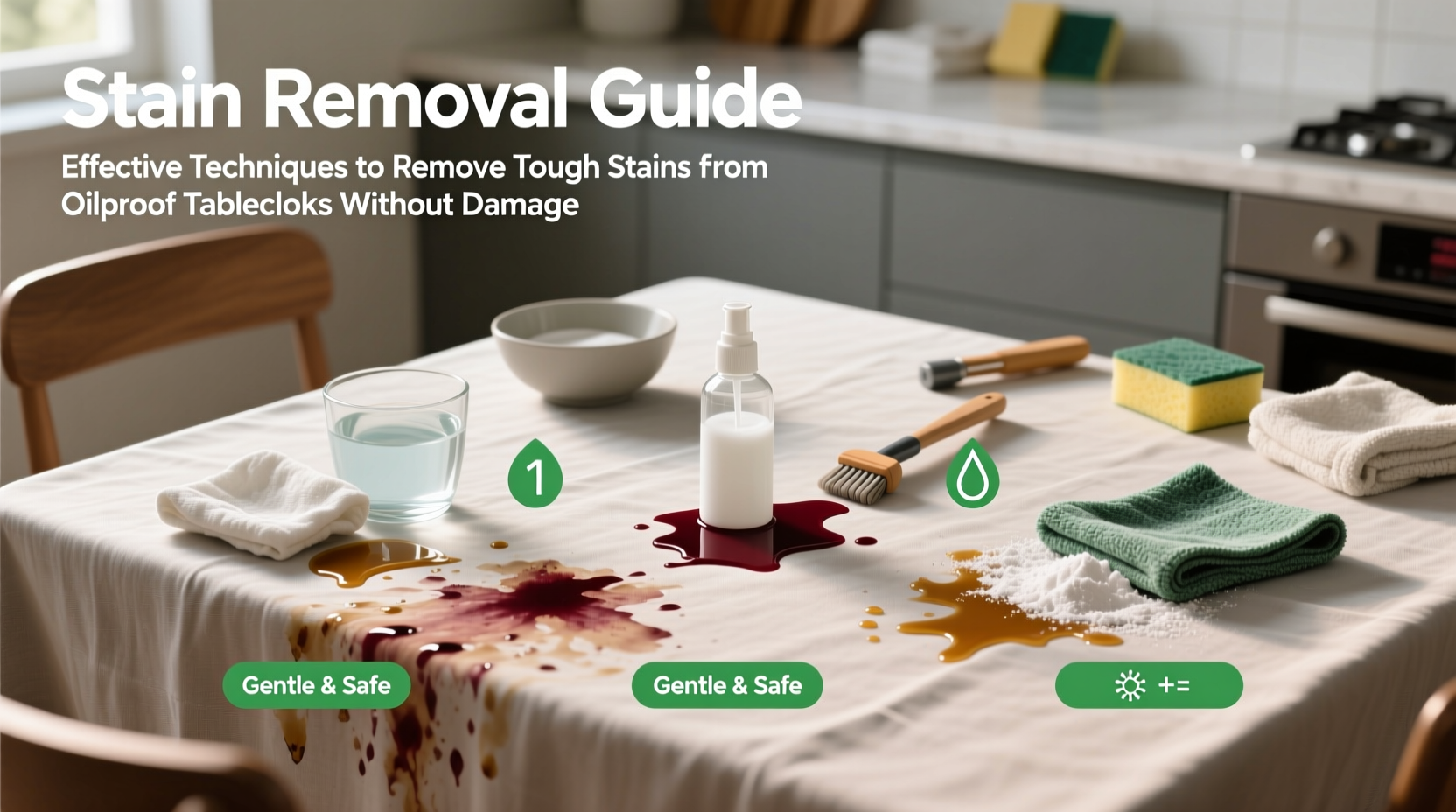
Most oilproof tablecloths are made from polyester, cotton-poly blends, or vinyl-coated fabrics treated with a water- and oil-resistant finish. This coating often consists of fluorocarbon-based polymers or silicone treatments that create a barrier against liquids. While this makes cleanup easier under normal conditions, it also means that aggressive solvents like bleach or acetone can strip away the protective layer, leaving the fabric vulnerable to future staining and wear.
Cleaning must therefore balance effectiveness with material safety. The goal isn’t just immediate stain removal but long-term preservation of functionality. Always check the manufacturer’s label before applying any solution. If no instructions are available, assume the fabric is sensitive and begin with the mildest method possible.
Step-by-Step Guide to Removing Tough Stains
Not all stains respond to the same treatment. The approach depends on the type of contaminant, how long it has been on the surface, and the specific fabric composition. Follow this structured process to maximize results without risk:
- Blot Immediately: For fresh spills, use a clean, dry cloth to absorb excess liquid. Never rub, as this pushes the stain deeper into fibers.
- Identify the Stain Type: Determine whether it's grease-based (e.g., olive oil), protein-rich (e.g., gravy), tannin-stained (e.g., red wine), or dye-based (e.g., tomato sauce).
- Select an Appropriate Cleaner: Match the solution to the stain chemistry—alkaline cleaners for oils, mild acids for rust or mineral deposits, enzymatic formulas for organic matter.
- Apply Gently: Use a soft sponge or microfiber cloth to dab the solution onto the stain. Let it sit for 5–10 minutes, depending on severity.
- Rinse Thoroughly: Wipe with a damp cloth using lukewarm water to remove residue. Avoid soaking unless specified by the manufacturer.
- Air Dry Flat: Hang or lay flat in a well-ventilated area away from direct sunlight, which can degrade coatings over time.
Common Household Solutions That Work
You don’t need industrial-grade products to tackle most stains. Many kitchen staples are effective and safe when used correctly:
- Dish soap (non-abrasive): Breaks down grease without harming the oilproof layer. Mix a few drops with warm water and apply with a soft cloth.
- Baking soda paste: Ideal for odor absorption and lifting dried-on residues. Combine with water to form a thick paste, apply, then gently wipe after 10 minutes.
- White vinegar (diluted 1:3 with water): Helps dissolve mineral buildup and neutralize odors. Not recommended for waxed or silicone-finished cloths if prolonged exposure occurs.
- Hydrogen peroxide (3%): Effective on organic stains like wine or coffee. Use sparingly and rinse immediately to prevent oxidation damage.
Do’s and Don’ts When Cleaning Oilproof Fabrics
| Do’s | Don’ts |
|---|---|
| Use pH-neutral detergents | Use chlorine bleach or ammonia-based cleaners |
| Blot spills immediately | Rub or scrub aggressively |
| Test solutions on hidden areas | Soak the tablecloth unless labeled machine-washable |
| Air dry in shade | Tumble dry on high heat |
| Store folded or rolled with tissue paper | Fold tightly where stained areas touch each other |
Expert Insight: Preserving Performance Over Time
“Many people ruin oilproof finishes by assuming they’re indestructible. In reality, repeated exposure to alkaline soaps or UV light degrades the repellent layer faster than stains themselves. Gentle maintenance isn’t optional—it’s essential.” — Dr. Lena Patel, Textile Durability Researcher at the Institute for Surface Innovation
This insight underscores the importance of preventive care. Even successful stain removal becomes irrelevant if the underlying protection is compromised. Regular inspection of the fabric’s beading effect—where water forms droplets rather than spreading—can indicate whether the oilproofing remains intact. If water begins to soak in instead of roll off, reapplication of a fabric protector may be necessary.
Real Example: Reviving a Heavily Stained Tablecloth After a Summer BBQ
Sarah hosted an outdoor dinner party where her beige oilproof tablecloth was splattered with barbecue sauce, melted butter, and red wine. Initially discouraged, she followed a systematic approach:
- She blotted excess sauce with paper towels.
- For the greasy spots, she applied diluted dish soap and let it sit for eight minutes before wiping clean.
- The wine stain was treated with a mix of hydrogen peroxide and baking soda, left for ten minutes, then rinsed.
- After air drying overnight, the cloth looked nearly new—and still repelled water when tested.
Sarah avoided the temptation to toss the cloth into the washing machine, which could have cracked the coating. Instead, spot-treatment preserved both appearance and function.
Checklist for Safe and Effective Stain Removal
Keep this checklist handy whenever you need to clean your oilproof tablecloth:
- ☐ Identify the stain type before choosing a cleaner
- ☐ Remove solids gently with a spoon or dull knife
- ☐ Blot liquids—never rub
- ☐ Test cleaning solution on a hidden area
- ☐ Use only non-abrasive cloths or sponges
- ☐ Apply minimal moisture; avoid saturation
- ☐ Rinse thoroughly with clean water
- ☐ Dry flat away from direct heat or sun
- ☐ Inspect for water beading to assess coating integrity
- ☐ Store properly once completely dry
Frequently Asked Questions
Can I put an oilproof tablecloth in the washing machine?
Only if the manufacturer explicitly states it’s safe. Most oilproof cloths should be hand-cleaned to protect the coating. Machine agitation and spin cycles can cause microfractures in the finish, leading to premature failure.
What should I do if a stain won’t come out after one treatment?
Repeat the process rather than increasing chemical strength. Some stains require multiple applications over several hours. Patience prevents damage. For old or set-in stains, consider a specialized fabric-safe degreaser designed for technical textiles.
Is it possible to restore the oilproof coating after it wears off?
Yes. Commercial fabric protectors containing fluoropolymers can be reapplied after deep cleaning. Spray evenly and allow full curing time (usually 24 hours) before reuse. Note that this won’t repair physical damage like scratches or peeling.
Conclusion
Removing tough stains from oilproof tablecloths doesn’t require extreme measures. With the right knowledge and gentle techniques, you can maintain both cleanliness and performance over years of use. The true measure of success isn’t just a spotless surface but a fabric that continues to resist future spills. By respecting the engineered properties of these materials and avoiding common pitfalls, you extend not only the life of your tablecloth but also its practical value in everyday settings.




 浙公网安备
33010002000092号
浙公网安备
33010002000092号 浙B2-20120091-4
Comments
No comments yet. Why don't you start the discussion?