
Introducing a Litter Robot into your home can be a game-changer for cleanliness, convenience, and odor control. But for cats, change—even beneficial change—can be unsettling. Unlike humans, cats thrive on routine and familiarity. A sudden shift in their litter box setup may lead to hesitation, avoidance, or even inappropriate elimination elsewhere. The key to success isn’t just purchasing the device; it’s guiding your cat through a smooth transition that fosters confidence and consistent use.
The Litter Robot is designed to mimic natural digging and covering behaviors while offering a clean, automated solution. However, its size, motion, sound, and enclosed space can initially intimidate some cats. With thoughtful planning and patience, nearly every cat can learn to accept—and even prefer—the Litter Robot over traditional boxes.
Understand Your Cat’s Sensory Experience
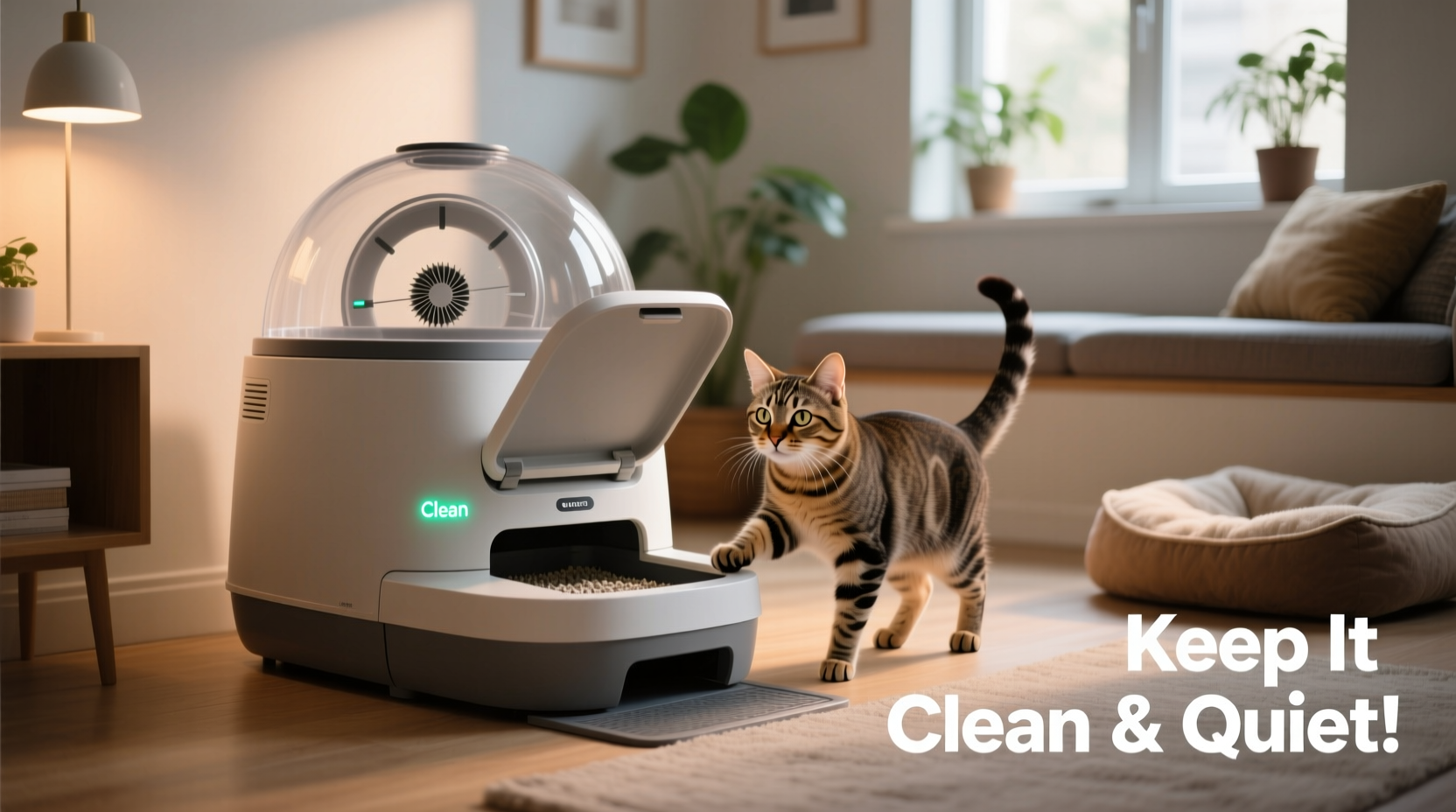
Cats rely heavily on their senses of smell, touch, and hearing when choosing where to eliminate. The Litter Robot introduces several new stimuli: a rotating globe, a mechanical whirring sound, and an enclosed chamber. These features, while efficient, can trigger caution in sensitive felines.
To ease the transition, start by letting your cat explore the unit while it’s powered off. Remove the waste drawer and leave the globe stationary in the “ready” position. Allow your cat to sniff, paw at, and walk around the device without fear of sudden movement. This builds neutral or positive associations before automation begins.
Step-by-Step Introduction Timeline
Rushing the process is the most common reason for failure. A gradual approach respects your cat’s pace and reduces stress. Follow this 7–10 day timeline for best results:
- Days 1–2: Set up the Litter Robot with no power. Fill it with your cat’s current litter. Let them investigate freely.
- Days 3–4: Power on the unit but disable the automatic cycle (use manual mode or cover the sensor). Let your cat use it multiple times without triggering rotation.
- Days 5–6: Enable partial cycles. Trigger the rotation manually after your cat exits, so they hear the sound from a safe distance.
- Days 7–10: Activate full automation. Monitor usage and reward immediately after successful sessions.
If your cat hesitates at any stage, pause and repeat the previous step. Never force entry. Some cats adapt in three days; others need two weeks. Patience pays off.
Optimize Placement and Environment
Location plays a crucial role in acceptance. While the Litter Robot is larger than standard boxes, placing it in a high-traffic or noisy area can deter use. Conversely, isolating it in a distant basement may discourage frequent visits.
Ideally, position the unit in a quiet corner of a commonly used room—like a laundry room, bathroom, or spare bedroom—where your cat feels safe but not isolated. Ensure easy access for multi-cat households, and avoid placing it directly next to loud appliances like washers or dryers.
| Recommended Placement | Placement to Avoid |
|---|---|
| Quiet corner with foot traffic | Next to noisy HVAC units |
| On a non-slip surface | On thick carpet (can interfere with sensors) |
| At least 3 feet from food/water bowls | In a dark, infrequently visited closet |
Choose the Right Litter and Maintain Consistency
Litter compatibility is critical. The Litter Robot works best with clumping, low-dust clay or plant-based litters. Avoid lightweight crystal litters or those with large chunks, as they may not sift properly or could damage internal mechanisms.
More importantly, don’t switch litter types during the transition. Use the same brand and texture your cat already prefers. Once your cat is fully comfortable with the device, you can slowly blend in a new type if desired—but only after consistent use is established.
Positive Reinforcement and Behavioral Support
Cats respond well to rewards tied to specific actions. After your cat enters and uses the Litter Robot successfully, offer a treat, gentle praise, or affection—within one minute of completion. This creates a direct link between the behavior and the reward.
Avoid punishment for accidents. Scolding increases stress and may worsen litter aversion. Instead, clean soiled areas thoroughly with enzymatic cleaners to remove odors that attract repeat incidents.
“Cats don’t misbehave out of defiance—they react to environmental stress. A calm, predictable transition is more effective than correction.” — Dr. Lena Patel, Feline Behavior Specialist
Checklist: Ensuring Long-Term Success
Use this checklist weekly to maintain your cat’s comfort and consistent use of the Litter Robot:
- ✅ Verify the unit is level and on a hard, flat surface
- ✅ Check sensor sensitivity settings (adjust if false triggers occur)
- ✅ Empty the waste drawer regularly to prevent overflow alarms
- ✅ Clean the globe and chute monthly to avoid buildup
- ✅ Refill litter to the fill line—overfilling disrupts cycling
- ✅ Observe your cat’s posture and ease of entry/exit
- ✅ Monitor for signs of avoidance (circling, backing out, eliminating nearby)
Real-Life Example: Bella’s Successful Transition
Bella, a 4-year-old rescue tabby, had always used a basic open litter box. When her owner introduced a Litter Robot, Bella refused to go near it for five days. Following a structured plan, the owner left the unit on but disabled auto-start. They placed Bella’s favorite toy inside (without litter) for exploration. By day three, Bella walked in curiously. On day six, she used it once—promptly followed by a treat and chin scratch. The owner manually triggered the cycle afterward so Bella could hear the sound safely. By day ten, Bella was using it twice daily without hesitation. Now, she uses it exclusively and shows no interest in her old box.
Troubleshooting Common Issues
Even with careful planning, challenges arise. Here’s how to address frequent concerns:
- My cat runs when it cycles: Revert to manual triggering. Let your cat see the empty globe rotate from a distance until curiosity overrides fear.
- The unit keeps resetting: Check Wi-Fi signal (for connected models) and ensure the base is stable. Uneven flooring causes false weight readings.
- My cat scratches outside the globe: This is normal. Cats often feel the need to “cover” even after automation. Provide a small mat nearby for paw wiping.
Frequently Asked Questions
Can multiple cats use the same Litter Robot?
Yes, but introduce them one at a time. The Litter Robot 4 supports multi-cat households with a Wait Mode feature that prevents cycling if another cat enters during cleaning. However, ensure there’s a backup litter box available during the transition to avoid territorial stress.
What if my cat refuses to use it after two weeks?
Reassess placement, litter type, and noise sensitivity. Try placing a small amount of waste from a prior successful use into the clean globe to signal it’s functional. If resistance continues, consult your veterinarian to rule out urinary issues or anxiety.
Do senior or arthritic cats struggle with access?
Some older cats may find the entrance step challenging. Consider placing a low ramp or platform to assist entry. Alternatively, the Litter Robot Open Air model has a lower entry point designed for mobility-impaired cats.
Final Thoughts: Building Lasting Habits
The Litter Robot offers unparalleled convenience, but its value depends on your cat’s willingness to use it. Success isn’t measured by speed—it’s measured by consistency and comfort. By respecting your cat’s instincts, moving at their pace, and reinforcing positive experiences, you create a lasting habit that benefits both of you.
Every cat is different. Some leap in with curiosity; others need coaxing. What matters most is your commitment to making the process stress-free. Once your cat trusts the system, they’ll use it reliably—freeing you from daily scooping and keeping your home cleaner and fresher.




 浙公网安备
33010002000092号
浙公网安备
33010002000092号 浙B2-20120091-4
Comments
No comments yet. Why don't you start the discussion?