
In modern kitchens where counter space is at a premium, finding appliances that deliver performance without sacrificing real estate is essential. Small food processors have emerged as indispensable tools for home cooks who want speed, versatility, and convenience—all in a footprint smaller than a standard cutting board. Whether you're chopping herbs, blending dressings, or making baby food, a compact food processor can handle daily tasks with ease. The key lies in selecting a model that balances power, capacity, and smart design.
Why Size Matters: The Rise of Compact Kitchen Appliances
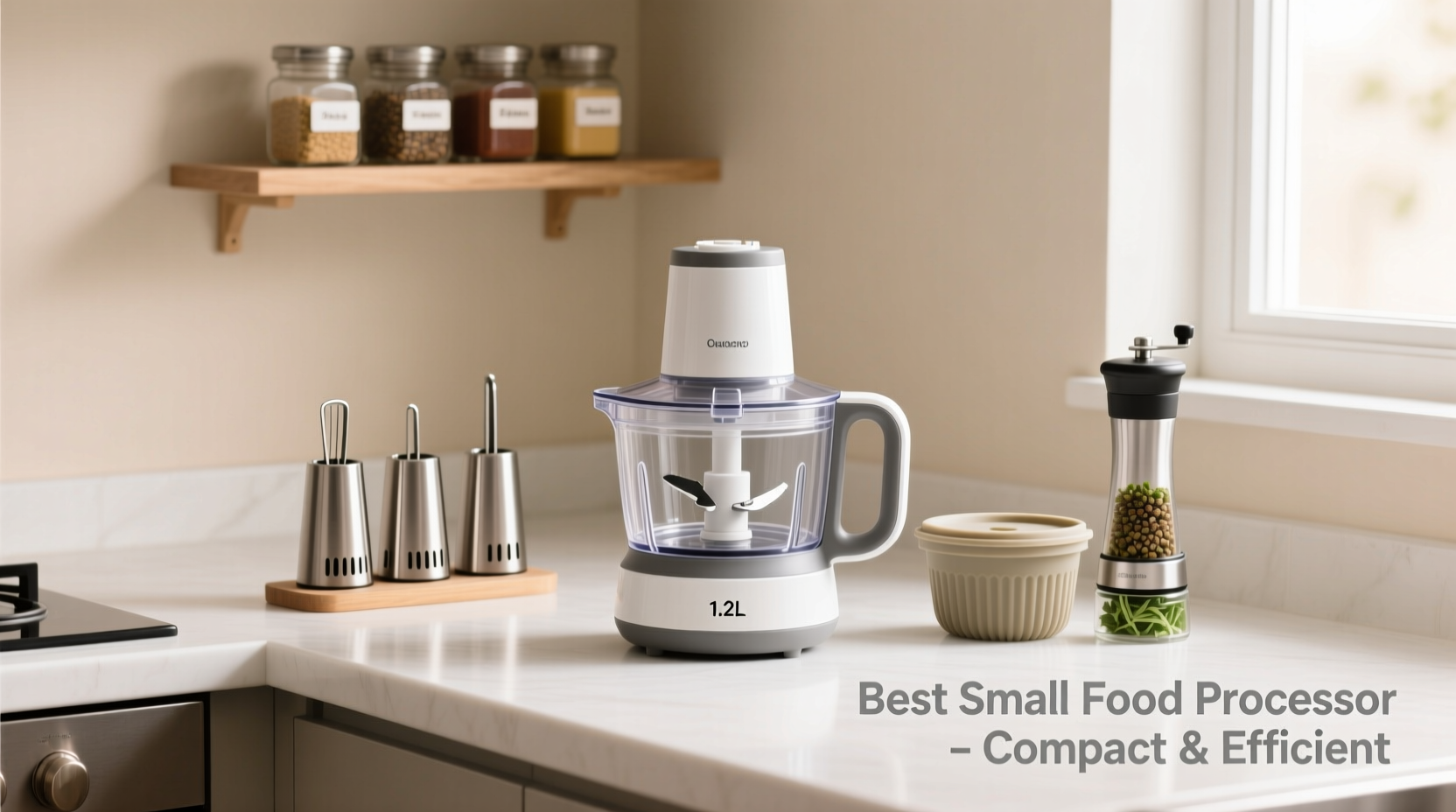
Kitchen trends have shifted dramatically over the past decade. Open-plan living spaces, minimalist design, and urban apartments with limited storage have driven demand for smaller, more efficient appliances. A full-size food processor may offer larger capacities, but it often ends up buried in a cabinet due to its size and infrequent use. In contrast, small food processors (typically 3–7 cups) are used more regularly because they’re easy to store, quick to assemble, and simple to clean.
According to appliance expert Lydia Chen, “The most effective kitchen tools aren’t always the biggest—they’re the ones you actually reach for.” This philosophy underscores the growing appeal of compact models that prioritize usability over raw power. For singles, couples, or small families, a mini processor isn’t a compromise—it’s an optimization.
“Small food processors fill a critical gap between manual prep and bulky appliances. They save time without dominating your countertop.” — Lydia Chen, Culinary Appliance Analyst
Key Features to Look for in a Small Food Processor
Not all compact processors are created equal. To ensure you get the most value from your purchase, focus on these core features:
- Capacity: 4–7 cups is ideal for most households. Anything under 3 cups limits utility; over 7 starts to defeat the purpose of compactness.
- Motor Power: Aim for at least 250 watts. While not as strong as full-size units, sufficient wattage ensures smooth processing of fibrous vegetables and nuts.
- Blade Design: Stainless steel S-blades are standard and effective. Some models include additional discs for slicing or shredding—useful if versatility matters.
- Bowl Material: BPA-free plastic is lightweight and shatter-resistant. Glass bowls offer durability but add weight and bulk.
- Ease of Cleaning: Dishwasher-safe parts make maintenance effortless. Look for wide-mouth feed tubes and minimal crevices where food can hide.
- Noise Level: Smaller motors tend to be quieter, but check reviews for feedback on sound output, especially if you cook early or late.
Top Compact Models Compared
The market offers dozens of small food processors, but only a few stand out for consistent performance and thoughtful engineering. Below is a comparison of five top-rated options based on user feedback, professional testing, and design efficiency.
| Model | Capacity | Wattage | Special Features | Best For |
|---|---|---|---|---|
| Cuisinart Mini-Prep Plus | 3 cups | 225W | Compact design, dishwasher-safe parts | Herbs, sauces, small batches |
| Hamilton Beach 7-Cup Stack & Process | 7 cups | 450W | Stacking bowl design, multiple blades | Chopping, shredding, family meals |
| Black+Decker 5-Cup | 5 cups | 350W | Affordable, simple controls | Beginners, budget-conscious buyers |
| Breville Sous Chef Mini | 6 cups | 500W | Precision blade, quiet operation | Gourmet prep, fine chopping |
| NutriBullet Pro Extractor | 6 cups | 900W | Doubles as blender, high torque | Smoothies, nut butters, dips |
While the Cuisinart Mini-Prep excels in portability and simplicity, the Hamilton Beach model offers expandability with its unique stacking bowl system. For those wanting multi-functionality, the NutriBullet Pro bridges the gap between processor and blender—ideal for health-focused users who make their own nut milks or hummus regularly.
Real-World Use Case: Meal Prep in a Studio Apartment
Sophia, a graphic designer living in a Brooklyn studio, struggled with meal prep until she invested in a 5-cup Black+Decker processor. Her kitchen measures just 60 square feet, leaving little room for large appliances. Before, chopping vegetables took 20 minutes each night. Now, she uses her processor to dice onions, mince garlic, and shred carrots in under two minutes. She stores it inside a narrow cabinet above the fridge when not in use.
“I was skeptical about whether such a small machine could handle real cooking,” she says. “But I’ve made pesto, salsa, and even pie crust with it. It’s become my go-to tool—way more than my full-size blender.”
Sophia’s experience reflects a broader trend: compact processors are not just space-savers—they’re time-savers. Their accessibility encourages frequent use, which leads to healthier eating habits and less reliance on takeout.
How to Maximize Efficiency with Your Small Processor
To get the most out of your compact food processor, follow this step-by-step guide for optimal results:
- Prep Ingredients Uniformly: Cut foods into similar-sized pieces before adding them to ensure even processing.
- Use the Pulse Function: Instead of continuous run, pulse in short bursts to maintain control over texture—especially important for salsas or coarse chop.
- Add Liquids Gradually: When making emulsions like mayonnaise or dressings, drizzle oil slowly while the machine runs to achieve smooth consistency.
- Scrape Down Sides: Pause and use a spatula to push ingredients toward the blade for thorough blending.
- Clean Immediately: Rinse the bowl and blade right after use to prevent dried-on residue, especially with sticky items like dough or nut butter.
Frequently Asked Questions
Can a small food processor knead dough?
Some models with strong motors (600W+) and dough blades can handle small batches of pizza or bread dough. However, they’re not ideal for heavy or long kneading sessions. Stick to light doughs like pastry or flatbread for best results.
Is a mini processor worth it if I already have a blender?
Yes. Blenders are designed for liquids and smooth textures, while food processors excel at chopping, slicing, and mixing dry or semi-solid ingredients. A mini processor gives you precision that blenders lack—like evenly diced onions or crumbly feta for salads.
How do I avoid over-processing?
Use short pulses and check consistency frequently. It’s easier to process a bit more than to fix mushy vegetables or overly creamy guacamole. Familiarize yourself with your model’s pulse rhythm for greater control.
Smart Buying Checklist
Before purchasing a small food processor, ask yourself these questions:
- ✅ Do I have a dedicated storage spot for it?
- ✅ Will I use it at least 2–3 times per week?
- ✅ Does it come with a warranty (minimum 1 year)?
- ✅ Are replacement parts available?
- ✅ Can it handle the tasks I do most (chopping, grating, blending)?
- ✅ Is the lid secure and leak-resistant?
If you answered yes to most of these, a compact processor is likely a smart addition to your kitchen ecosystem.
Final Thoughts: Small Tool, Big Impact
A well-chosen small food processor does more than save space—it changes how you cook. It lowers the barrier to preparing fresh meals by reducing prep time and effort. From whipping up quick sauces to grinding nuts for homemade granola, these compact machines empower everyday cooking with minimal cleanup.
The best models blend reliability, intuitive design, and genuine utility. Whether you live in a tiny apartment or simply want a clutter-free countertop, investing in an efficient and compact food processor is a decision that pays off in saved time, reduced stress, and better meals.




 浙公网安备
33010002000092号
浙公网安备
33010002000092号 浙B2-20120091-4
Comments
No comments yet. Why don't you start the discussion?