
Style isn’t about complexity—it’s about confidence, cohesion, and knowing how to make simple choices speak volumes. Nowhere is this more evident than in footwear. The right pair of casual shoes can elevate a basic look into something memorable, while the wrong choice can undermine even the most thoughtfully curated ensemble. Mastering casual shoe pairing isn’t about rigid rules; it’s about understanding balance, context, and personal expression. Whether you're dressing for brunch, work-from-home days, or weekend adventures, the right shoes ground your look—literally and aesthetically.
The Foundation: Understanding Your Casual Shoe Wardrobe
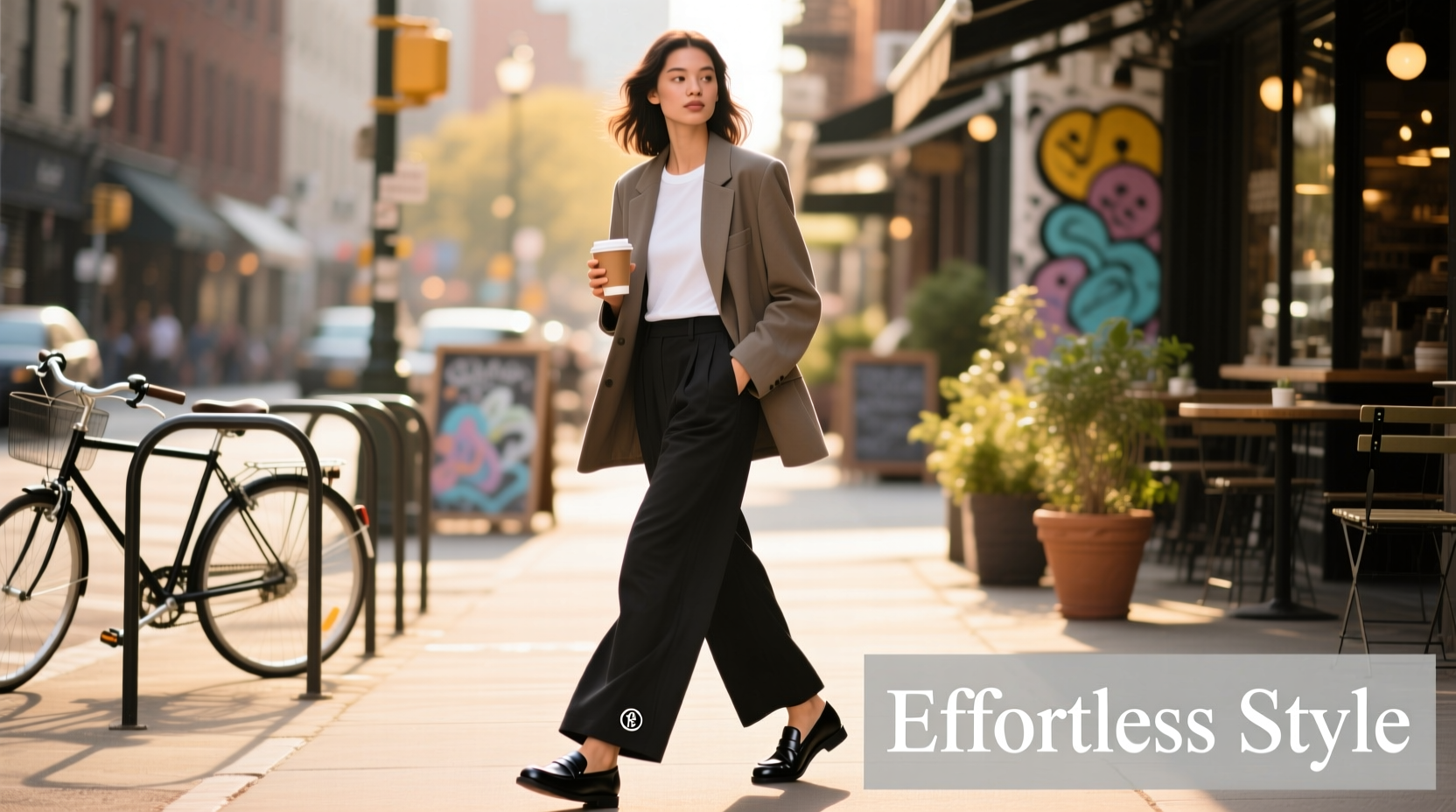
Casual shoes are the backbone of everyday dressing. Unlike formal footwear, they prioritize comfort without sacrificing style. But not all casual shoes serve the same purpose. Recognizing the role each type plays helps you match them effectively to your outfits.
- Sneakers: From minimalist whites to bold high-tops, sneakers offer versatility across settings.
- Loafers: A bridge between casual and smart-casual, loafers add polish without requiring socks.
- Boat shoes: Ideal for warm weather and relaxed environments, especially with rolled chinos or linen pants.
- Slip-ons: Easy to wear and often stylish, these work well with jeans, shorts, or lightweight trousers.
- Desert boots: Chukka-style boots in suede or leather that blend ruggedness with refinement.
The key is not owning every style, but knowing which ones align with your lifestyle and wardrobe palette. A neutral-toned sneaker or tan loafer, for example, can transition from errands to dinner with minimal effort.
Outfit Pairing Principles: Matching Shoes to Occasions
Pairing shoes effectively starts with intention. Ask: Where am I going? What’s the dress code? How much walking will I do? Answering these determines both comfort and appropriateness.
| Occasion | Recommended Shoe | Outfit Pairing Example | Avoid |
|---|---|---|---|
| Casual Day Out | White leather sneakers | Dark jeans, crew-neck tee, unstructured jacket | Dress shoes or overly sporty trainers |
| Smart-Casual Office | Penny loafers or suede desert boots | Tapered chinos, button-down shirt, no tie | Barefoot sandals or athletic running shoes |
| Weekend Brunch | Canvas slip-ons or boat shoes | Shorts, linen shirt, sunglasses | Heavy hiking boots or formal oxfords |
| Travel & Errands | Comfortable low-top sneakers | Joggers, hoodie, crossbody bag | Unbroken-in shoes or delicate materials |
The goal is harmony. A crisp white sneaker with cuffed jeans creates visual lightness, while a darker boot adds grounding weight to looser silhouettes. Always consider color temperature—warm browns and tans pair best with earth tones, while cool grays and whites suit navy, black, or pastels.
Color Coordination and Material Balance
One of the most overlooked aspects of shoe pairing is material texture. A matte suede loafer reads differently than a glossy leather sneaker, even if both are black. Texture influences formality and mood.
When coordinating colors:
- Match your shoes to your belt when possible for a streamlined effect.
- Use shoes to echo another color in your outfit—e.g., navy sneakers with a navy watch strap.
- Neutral shoes (white, gray, tan, black) maximize versatility.
- Patterned or textured shoes (like herringbone loafers) should be balanced with solid clothing.
“Shoes are the punctuation mark of an outfit. They don’t need to shout, but they must land correctly.” — Marcus Reed, Menswear Stylist & Editor at *Urban Attire Quarterly*
Avoid clashing textures unless intentional—pairing chunky knitwear with sleek patent shoes, for instance, can feel disjointed. Instead, match volume: chunky shoes with relaxed fits, slim soles with tailored pieces.
Step-by-Step Guide: Building a Shoe-Ready Capsule Wardrobe
Creating a functional, flexible wardrobe doesn’t require dozens of shoes. With just five well-chosen pairs, you can handle nearly any casual scenario.
- Start with a White Leather Sneaker – Think Stan Smiths, Common Projects, or similar. These go with everything from denim to summer suits.
- Add a Dark Loafer (Brown or Black) – Ideal for smart-casual events, coffee meetings, or travel.
- Incorporate a Suede Desert Boot – Tan or olive works best. Perfect for transitional weather and textured layering.
- Choose a Comfort-Focused Athletic Sneaker – Not for gym use, but for long days on your feet. Neutral color, subtle branding.
- Include a Warm-Weather Option – Canvas slip-ons or espadrilles in beige or navy for summer ease.
This core collection supports over 90% of daily needs. Rotate based on season and setting, and maintain them properly—clean soles, conditioned leather, and proper storage—to extend life and appearance.
Mini Case Study: Alex’s Weekday Style Upgrade
Alex, a graphic designer working remotely three days a week, used to default to the same black runners with every outfit—even during client Zoom calls. After reassessing his wardrobe, he invested in a pair of chestnut brown penny loafers. He began wearing them with dark chinos and a tucked-in Oxford shirt on office days, reserving sneakers for casual Fridays. Within weeks, colleagues commented on his polished yet relaxed presence. The change wasn’t drastic, but the impact was clear: intentional footwear elevated his perceived professionalism without sacrificing comfort.
Common Mistakes and How to Avoid Them
Even seasoned dressers slip up. Here are frequent missteps in casual shoe pairing—and how to fix them:
- Mismatched formality: Wearing gym trainers with tailored trousers breaks visual continuity. Opt for minimalist sneakers instead.
- Over-accessorizing shoes: Flashy laces, logos, or mismatched socks distract. Keep details subtle.
- Ignoring seasonal appropriateness: Heavy boots in summer or open sandals in winter disrupt flow. Adapt your rotation.
- Wearing ill-fitting shoes: No matter how stylish, pinching toes or heel slippage undermines elegance.
FAQ
Can I wear sneakers with chinos?
Absolutely—especially clean, low-profile sneakers in white, gray, or muted colors. Avoid bulky athletic models. Pair with a tucked-in shirt or sweater for balance.
Are socks necessary with loafers?
Not always. In warm weather, no-show socks or bare feet (if hygiene allows) work. For cooler months or professional settings, invisible or micro-socks prevent odor and slipping.
How many casual shoe pairs should I own?
Three to five is ideal for most lifestyles. Focus on quality over quantity: one versatile sneaker, one smart-casual option, and one seasonal pair should cover your needs.
Final Thoughts: Make It Effortless
Effortless style isn’t about doing less—it’s about choosing wisely so decisions feel natural. When your shoes align with your clothes, context, and comfort, dressing becomes intuitive rather than taxing. Start by auditing your current footwear: which pairs do you reach for most? Which consistently clash or cause discomfort? Replace or relegate those. Build around what works, refine through repetition, and trust your instincts.
Remember, mastery comes not from perfection, but from consistency. The most stylish people aren’t the ones with the most expensive shoes—they’re the ones who wear what they have with confidence and coherence.




 浙公网安备
33010002000092号
浙公网安备
33010002000092号 浙B2-20120091-4
Comments
No comments yet. Why don't you start the discussion?