
Moving abroad is more than just a change of address—it’s a transformation in lifestyle, legal status, and personal logistics. Whether you're relocating for work, retirement, or a fresh start, leaving the United States requires careful planning. Without proper preparation, even the most exciting international move can become overwhelming. From visa applications to tax obligations and shipping your belongings, every detail counts. This guide outlines the essential steps and insider strategies to ensure your relocation overseas goes as smoothly as possible.
1. Plan Your Timeline Strategically
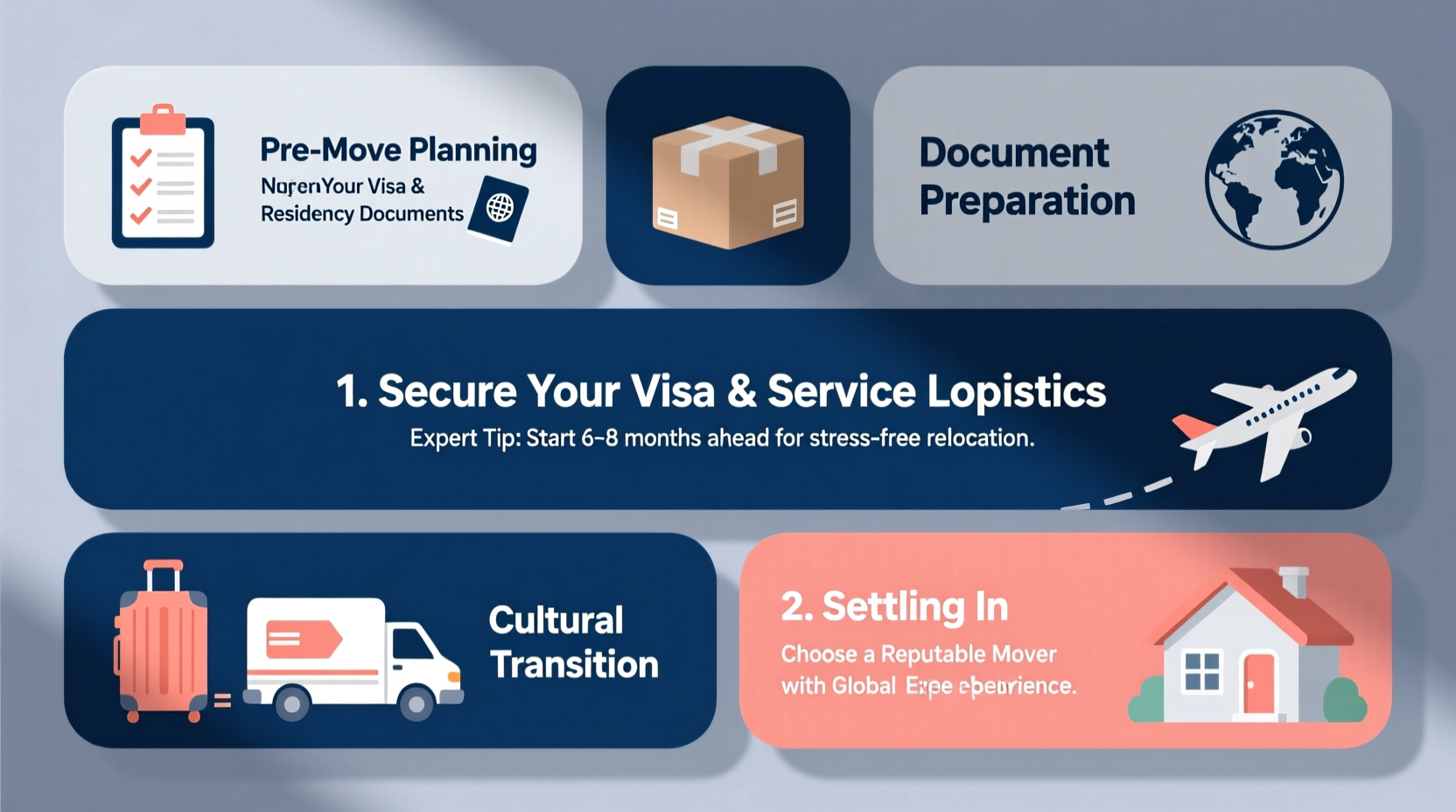
A successful international move starts months before departure. Rushing key decisions can lead to costly mistakes or delays in settling into your new country. Begin planning at least 6–12 months in advance, especially if you need a visa, are shipping household goods, or must meet specific residency requirements.
- 12 months out: Research destination countries, cost of living, healthcare systems, and language needs.
- 9–10 months: Apply for visas or residency permits; consult immigration attorneys if necessary.
- 6–8 months: Notify banks, utilities, and service providers of upcoming move; begin decluttering.
- 3–4 months: Hire an international moving company; obtain quotes and confirm shipping timelines.
- 1–2 months: Finalize housing arrangements abroad; transfer medical records; cancel subscriptions.
- 2 weeks prior: Confirm travel details; pack essentials separately; secure important documents.
2. Navigate Legal and Immigration Requirements
Each country has its own entry and residency rules. Ignoring these can result in denied entry, fines, or deportation. The type of visa you need—work, retirement, student, or investor—will dictate documentation, financial thresholds, and application complexity.
For example, Portugal’s D7 visa (for passive income earners) requires proof of stable income and health insurance, while Mexico’s Temporary Resident Visa demands bank statements showing sufficient funds. Some nations, like Panama, offer special retiree programs with tax incentives but require notarized affidavits and background checks.
“Immigration success isn’t just about paperwork—it’s about proving intent, stability, and compliance.” — Laura Mendez, International Immigration Consultant
Key Documents to Prepare
- Valid passport (with at least six months’ validity beyond your stay)
- Birth certificate and marriage/divorce certificates (apostilled if required)
- Criminal background check (often needs FBI fingerprinting)
- Proof of income or employment offer
- Health insurance valid in the destination country
- Housing lease or property ownership documents
3. Manage Finances and U.S. Tax Obligations
Leaving the U.S. doesn’t automatically end your tax responsibilities. American citizens and green card holders must continue filing U.S. taxes annually, regardless of where they live. This includes reporting foreign bank accounts (via FBAR) and certain assets (under FATCA).
To avoid penalties, consider consulting a cross-border tax advisor. They can help determine if you qualify for exclusions like the Foreign Earned Income Exclusion (FEIE), which allows eligible taxpayers to exclude up to $126,500 (2024 figure) of foreign-earned income from U.S. taxation.
| Tax Consideration | Action Required | Deadline/Frequency |
|---|---|---|
| File Form 1040 | Report worldwide income | April 15 (can extend to October 15) |
| FBAR (FinCEN 114) | Report foreign accounts over $10,000 aggregate | April 15 (automatic extension to October 15) |
| FATCA Form 8938 | Disclose specified foreign financial assets | With annual tax return |
| Close U.S. bank accounts? | Keep one open for tax payments and refunds | Ongoing |
4. Ship Belongings Efficiently and Cost-Effectively
Deciding what to take—and how to transport it—is one of the most complex parts of moving overseas. International shipping costs vary widely based on volume, destination, and method (air vs. sea). A full 20-foot container can cost between $2,500 and $5,000 from the U.S. East Coast to Western Europe, while air freight is significantly faster but much more expensive.
Work only with reputable, licensed movers experienced in international relocations. Look for companies affiliated with FIDI (Fédération Internationale des Déménageurs Internationaux) or accredited by the Better Business Bureau.
Do’s and Don’ts of International Shipping
| Do | Don't |
|---|---|
| Get multiple quotes and verify insurance coverage | Use unlicensed or local-only movers for overseas moves |
| Pack valuables and documents separately | Ship prohibited items (firearms, perishables, flammable materials) |
| Label boxes clearly by room and contents | Assume customs will waive duties—research import taxes |
| Take photos of high-value items pre-shipment | Forget to deregister vehicles or cancel storage units |
5. Real-Life Example: Moving from California to Spain
Sarah Kim, a freelance graphic designer from Los Angeles, moved to Valencia, Spain, in 2023 under the Digital Nomad Visa. She began preparing nine months in advance, securing a remote contract with a European client to meet income requirements. She hired a Spanish-speaking immigration consultant who helped her navigate notarized translations and social security registration.
Sarah shipped two containers via sea freight, choosing a FIDI-certified mover after comparing five quotes. She saved nearly $1,200 by consolidating shipments with another expat. However, she underestimated customs fees—Spain charged VAT on used furniture, which she hadn’t anticipated. Her advice? “Always budget 10–15% extra for unexpected import costs. And keep digital backups of every document—you’ll need them more than once.”
Essential Pre-Move Checklist
- Research visa requirements and apply early
- Obtain apostilled copies of birth, marriage, and criminal record documents
- Notify the IRS and SSA of your move; update mailing address
- Consult a tax professional about FEIE, FTC, and exit tax implications
- Cancel or suspend U.S. subscriptions (gym, streaming, magazines)
- Transfer medical records and prescriptions; secure international health insurance
- Choose a reliable international moving company; get written estimates
- Declutter and sell unwanted items—moving less saves money
- Register for a U.S. passport renewal if needed
- Arrange final utility disconnections and mail forwarding via USPS
Frequently Asked Questions
Do I need to notify the U.S. government when I move abroad?
While there’s no formal “expatriation notice” for most citizens, you should update your address with the IRS (Form 8822), Social Security Administration, and voter registration office. If you’re relinquishing citizenship, additional forms (like Form 8854) are mandatory.
Can I keep my U.S. bank accounts and credit cards?
Yes, and it’s often advisable. Many expats maintain a U.S. checking account for tax payments, receiving domestic income, or managing investments. Inform your bank of your move to avoid account freezes due to fraud alerts.
What happens to my Social Security benefits if I move overseas?
Most U.S. citizens can continue receiving Social Security payments abroad, provided they reside in a country where disbursements are permitted (not North Korea or Cuba, for example). Payments may be subject to tax treaties or local regulations.
Final Steps and Moving Forward
Moving out of the United States is a major life event that blends excitement with logistical precision. Success lies not in doing everything perfectly, but in preparing thoroughly and adapting wisely. By organizing your timeline, understanding legal and financial responsibilities, and learning from real-world experiences, you position yourself for a smooth transition.
Start today: review your passport expiration date, research visa options for your target country, and create a personalized checklist. Every step forward reduces uncertainty and builds confidence. Your international journey begins not upon arrival, but with the first informed decision you make.




 浙公网安备
33010002000092号
浙公网安备
33010002000092号 浙B2-20120091-4
Comments
No comments yet. Why don't you start the discussion?