
Checks may seem like outdated payment tools in an era of digital transfers and mobile apps, but they’re still widely used—especially in real estate, freelance work, and small business transactions. Unfortunately, that also makes them a prime target for fraud. Fake checks cost Americans hundreds of millions of dollars each year. The danger often lies not in obvious red flags, but in subtle details that only careful inspection can reveal. Knowing how to verify a check’s authenticity isn’t just smart—it’s essential for financial safety.
Understand Common Types of Check Fraud
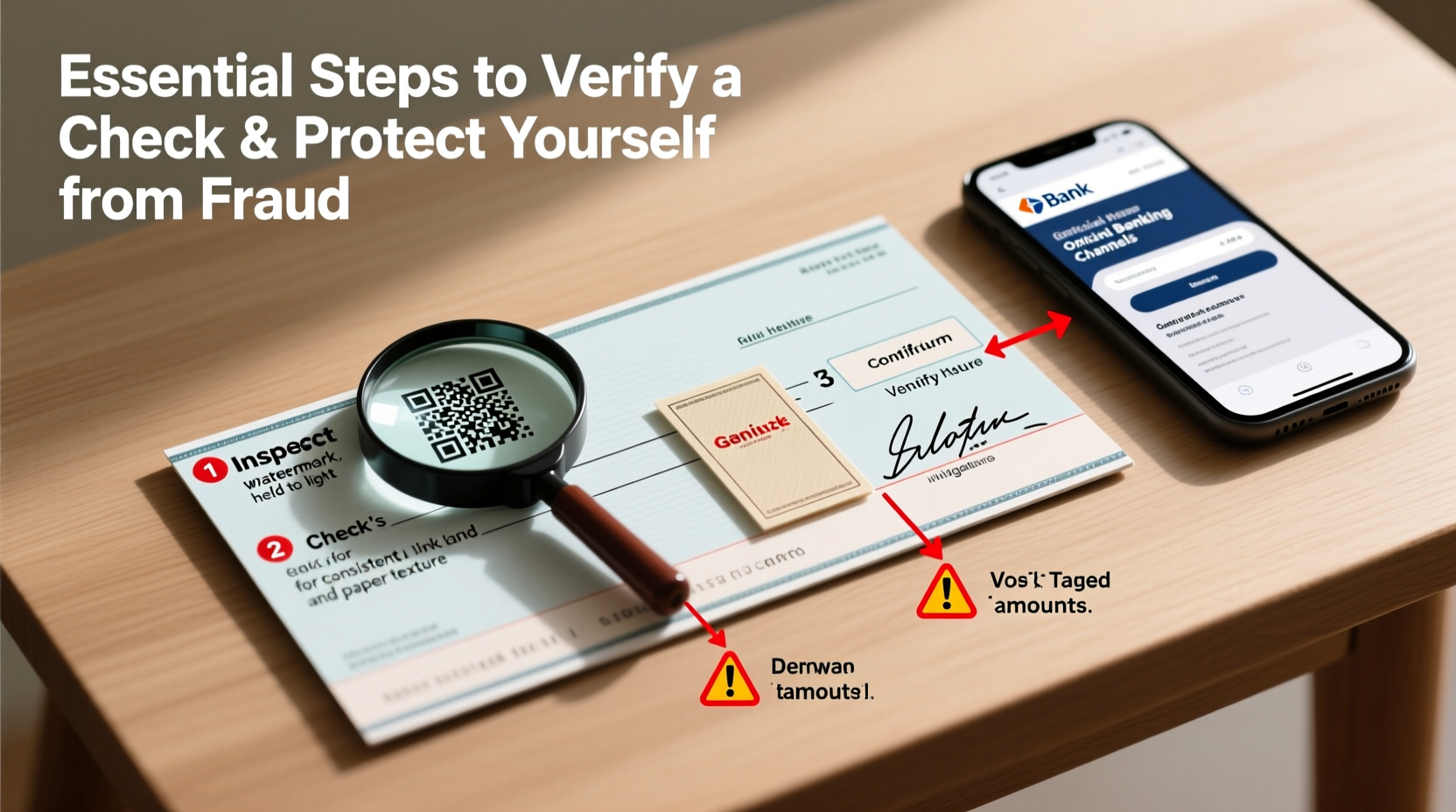
Before learning how to spot a fake, it helps to understand the methods scammers use. The most common forms include counterfeit checks, altered checks, and forged endorsements. A counterfeit check is entirely fake—printed on non-bank paper with false routing numbers. Altered checks start as legitimate instruments but have key details changed, such as the payee name or amount. Forged checks carry someone else’s signature without authorization.
Scammers often exploit urgency or trust. They might send you a check for more than owed, asking you to wire back the difference—a classic overpayment scam. Or they’ll pose as landlords, clients, or government agencies sending “reimbursements” that require upfront fees. Recognizing these patterns is the first layer of defense.
Analyze Physical and Design Features of a Genuine Check
Legitimate checks follow strict formatting standards set by banks and the American Bankers Association (ABA). Start by inspecting the paper quality. Real checks are typically printed on specialized, slightly textured paper designed to resist copying. Photocopies or inkjet-printed versions often feel too smooth or flimsy.
Look for security features: microprinting (tiny text visible under magnification), watermarks, security threads, and color-shifting ink near the bank logo or amount box. These are hard for fraudsters to replicate accurately. Also, check the MICR line at the bottom—the magnetic ink character recognition strip containing the routing, account, and check numbers. It should be uniformly printed in a distinct font (usually E-13B) and aligned precisely.
The layout matters, too. A professional check will have consistent spacing, centered alignment, and no spelling errors. Misaligned text, blurry logos, or inconsistent fonts are red flags.
Do’s and Don’ts When Inspecting a Check
| Action | Do | Don't |
|---|---|---|
| Paper Inspection | Feel for texture; look for watermark | Accept glossy or standard printer paper |
| MICR Line | Verify font, clarity, and magnetic properties | Ignore smudges or misalignment |
| Bank Information | Cross-check with official bank website | Assume the bank name is accurate |
| Amount Box | Check for tampering or erasures | Overlook faint pencil marks or white-out |
Verify the Bank and Account Details
A check with perfect design can still be fraudulent if the banking information is invalid. Always confirm the routing number matches the issuing bank. You can do this by searching the ABA’s routing number database or using your own bank’s lookup tool. Cross-reference the bank’s name, address, and phone number with its official website.
Next, call the bank directly—using the phone number from their verified website, not one printed on the check. Ask whether the account is active and if the check number falls within a valid range. Never rely on information provided by the person who gave you the check.
Some institutions offer verification services for third parties. While they won’t disclose account balances or personal details due to privacy laws, they can confirm whether the account exists and is in good standing.
“Many victims believe the deposit cleared, so the check must be good. But availability doesn’t equal legitimacy.” — Sarah Lin, Senior Fraud Analyst at National Consumer Protection Bureau
Step-by-Step Guide to Validating a Check
Follow this systematic process whenever you receive a check, especially from an unfamiliar source:
- Inspect the physical check: Examine paper quality, printing clarity, and security features like watermarks or microprinting.
- Confirm the MICR line: Ensure the routing, account, and check numbers are correctly formatted and printed in magnetic ink.
- Validate the bank: Use a trusted routing number directory to confirm the bank’s identity and contact information.
- Contact the bank independently: Call customer service using the official number to verify the account status.
- Deposit and monitor: Deposit the check through your bank and wait for full clearance—typically 5 to 7 business days. Avoid spending funds before confirmation.
- Watch for red flags: Be alert for sudden account closures, reversed deposits, or notification of forgery after deposit.
Real Example: How One Freelancer Avoided a $4,000 Scam
Jamal, a freelance graphic designer, received a check for $4,200 from a supposed marketing agency. The client had hired him via an online job board, requested a logo package, and sent the check to cover project fees plus “extra for materials.” He was asked to wire $1,200 to a vendor for stock imagery licenses.
Suspicious of the overpayment, Jamal held off wiring money. He inspected the check and noticed the bank’s logo didn’t match the official site. The routing number led to a credit union in Ohio, but the bank name referenced a Texas-based institution. He called the credit union using the number from their website and learned the account had been closed months earlier.
By following verification steps, Jamal avoided losing thousands. He reported the incident to the FTC and his platform’s security team. His diligence saved him—and potentially others—from a coordinated scam operation.
Essential Checklist for Check Verification
- ✅ Examine paper quality and texture
- ✅ Look for security features (watermark, microprinting)
- ✅ Verify MICR line integrity and formatting
- ✅ Confirm routing number matches the bank
- ✅ Cross-check bank name and address online
- ✅ Call the bank using a verified phone number
- ✅ Wait for full deposit clearance before spending
- ✅ Report suspicious checks to authorities
Frequently Asked Questions
Can a fake check clear my bank account?
Yes, and this is one of the most dangerous aspects of check fraud. Banks often make funds available within one or two business days, even before the check fully clears. This gives the illusion of legitimacy. However, if the check bounces weeks later due to fraud, you’re responsible for repaying the withdrawn amount, plus potential fees.
What should I do if I deposited a fake check?
Contact your bank immediately and explain the situation. Provide any documentation, such as communication with the issuer or proof of deposit. While you may still be liable for the funds, prompt reporting can reduce penalties and help law enforcement track the scammer. File a report with the Federal Trade Commission (FTC) and your local police department.
Are cashier’s checks and money orders safer?
They are generally more secure, but not immune to fraud. Counterfeit cashier’s checks are common in rental and job scams. Always verify them the same way: contact the issuing bank directly and confirm authenticity before accepting or depositing.
Protect Yourself Proactively
Prevention is always better than damage control. Whenever possible, opt for more secure payment methods like direct bank transfers, verified payment platforms (e.g., PayPal Goods & Services), or escrow services for high-value transactions. If you must accept checks, establish a routine verification protocol. Train employees or family members who handle finances to recognize warning signs.
Stay informed about emerging scams. The FTC and FBI regularly publish alerts about new check fraud tactics. Sign up for consumer protection updates and share knowledge with others who may be vulnerable—especially seniors or new entrepreneurs.




 浙公网安备
33010002000092号
浙公网安备
33010002000092号 浙B2-20120091-4
Comments
No comments yet. Why don't you start the discussion?