
Bag charms have evolved from simple accessories into statement pieces—elevating the style of handbags, backpacks, and even luggage. Whether made of metal, enamel, leather, or crystal, a well-maintained charm adds elegance and personality. But like any accessory exposed to daily wear, dust, oils, and environmental factors can dull its appearance over time. The good news: with proper care, your bag charm can retain its luster for years. This guide delivers practical, expert-backed strategies to clean, protect, and preserve your charm’s beauty.
Understand Your Charm’s Material
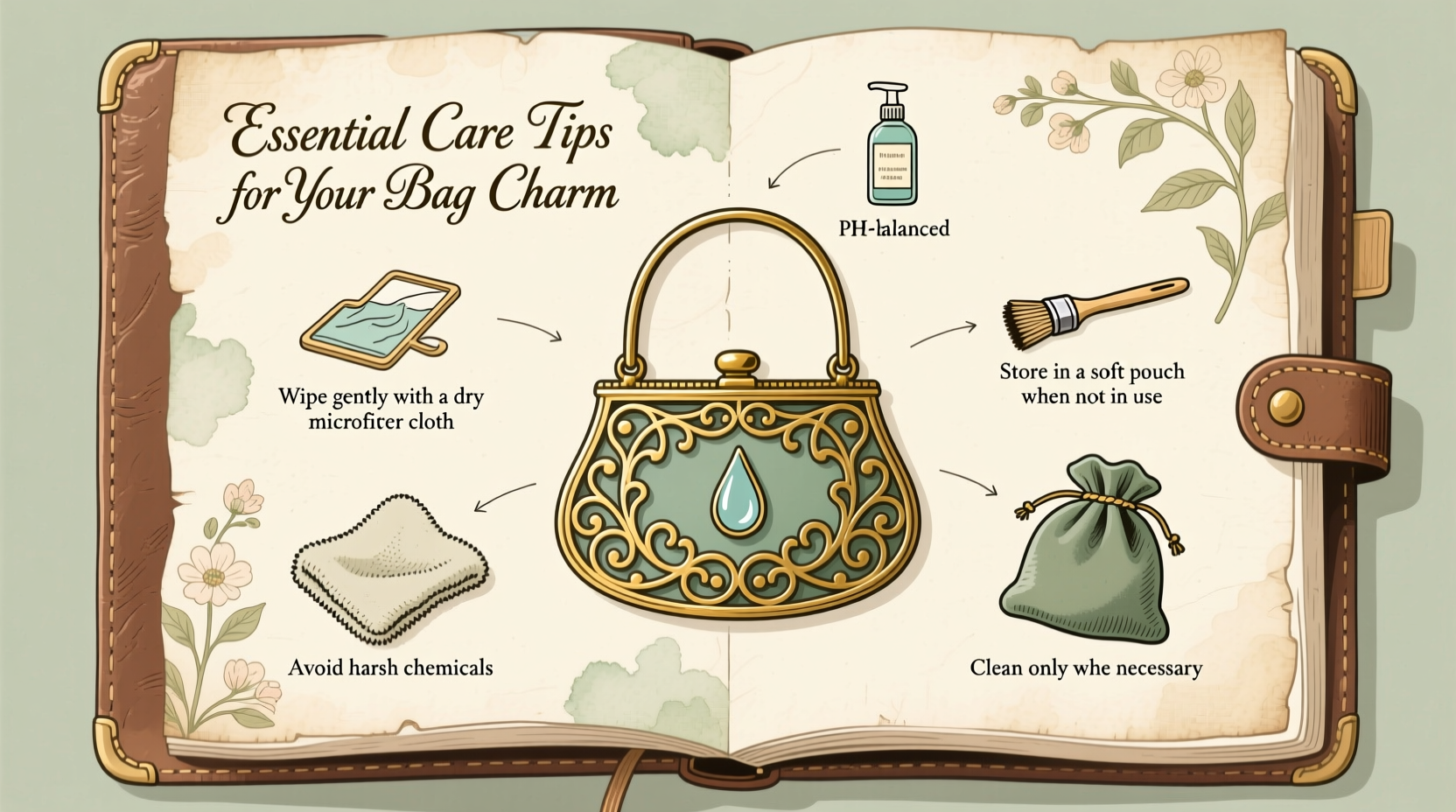
Not all bag charms are created equal. The first step in effective care is identifying the material. Each type responds differently to cleaning agents and storage conditions. Common materials include:
- Metal (brass, stainless steel, silver, gold-plated): Prone to tarnishing but highly durable with proper maintenance.
- Enamel: Colorful and glossy, but vulnerable to chipping and scratching.
- Leather or fabric tassels: Susceptible to stains, moisture, and fading.
- Ceramic or resin: Lightweight and decorative, yet fragile under impact.
- Cubic zirconia or crystal accents: Can lose sparkle if coated in oils or residue.
Always check manufacturer guidelines when available. If unsure, assume the charm is delicate and proceed gently.
Step-by-Step Guide to Cleaning Your Bag Charm
Cleaning should be done regularly—but not aggressively. Follow this timeline-based routine to maintain brilliance without causing harm.
- Remove the charm from the bag. Detach it carefully to avoid stress on clasps or chains. This also prevents moisture or cleaner from seeping into the bag’s hardware or fabric.
- Dust off surface debris. Use a soft, dry microfiber cloth or a clean makeup brush to gently sweep away dust and loose particles.
- Prepare a gentle cleaning solution. For most non-porous materials, mix a few drops of mild dish soap with lukewarm water. Avoid harsh detergents or ammonia-based cleaners.
- Clean with a soft cloth or cotton swab. Dip a corner of the cloth or a swab into the solution, wring it out well, and gently wipe the charm. Pay attention to crevices where grime collects.
- Rinse only if necessary. For waterproof materials like metal or resin, rinse briefly under cool running water. Never submerge charms with glued elements or fabric parts.
- Dry thoroughly. Use a lint-free cloth to pat dry, then air-dry completely before reattaching.
- Polish (if applicable). Use a jewelry polishing cloth for metal components to restore shine. Do not use abrasive cloths on enamel or painted surfaces.
This process should take no more than 10–15 minutes and can be performed every 4–6 weeks depending on usage.
Do’s and Don’ts: A Quick Reference Table
| Action | Do | Don't |
|---|---|---|
| Cleaning Frequency | Every 4–6 weeks for regular use | Wait until visible dirt or tarnish appears |
| Cleaning Tools | Microfiber cloth, cotton swabs, soft brush | Steel wool, paper towels, stiff brushes |
| Solutions | Mild soap + water, jewelry cleaner (tested) | Bleach, alcohol, acetone, vinegar |
| Storage | In a soft pouch or compartmentalized box | Loose in a drawer or mixed with other jewelry |
| Wearing Conditions | Dry environments, occasional wear in moderate weather | Rain, swimming, intense heat, or gym use |
Avoid Common Storage Mistakes
Even with perfect cleaning, improper storage can undo your efforts. Tarnish, scratches, and discoloration often occur when charms are left unprotected.
Store each charm separately to prevent scratching. A dedicated jewelry roll with individual slots works well. If the charm includes a leather strap or tassel, ensure the storage area is dry and well-ventilated to prevent mold or odor buildup.
Exposure to air accelerates oxidation in metals. Consider placing silica gel packets in your storage container to absorb excess moisture. Avoid plastic bags—they trap humidity and promote tarnish.
“Many people overlook how much environment affects small accessories. A charm stored in a humid bathroom or near a window fades twice as fast.” — Lena Torres, Accessory Preservation Specialist
Real Example: Reviving a Tarnished Gold-Tone Charm
Sophie, a frequent traveler, noticed her favorite gold-plated bag charm had dulled after six months of daily use. It accompanied her on flights, commutes, and coffee runs. One day, she realized the shine was gone, and tiny scratches were visible near the clasp.
Instead of replacing it, she followed a careful restoration process. She removed the charm, cleaned it with a drop of dish soap on a microfiber cloth, rinsed it lightly, and dried it completely. Then, using a jewelry polishing cloth designed for plated metals, she gently buffed the surface. After just two rounds of this method—spaced two weeks apart—the charm regained nearly all its original luster. Sophie now cleans it monthly and stores it in a lined jewelry box when not in use. Over a year later, it still looks fresh.
This case illustrates that minor neglect doesn’t mean permanent damage. With timely intervention, most charms can be revived.
Preventative Maintenance Checklist
To keep your bag charm consistently pristine, follow this actionable checklist:
- ✔ Remove charm before cleaning or storing the bag
- ✔ Wipe gently with a dry microfiber cloth weekly
- ✔ Perform deep cleaning every 4–6 weeks
- ✔ Inspect clasps and connectors for looseness monthly
- ✔ Store in a soft, breathable pouch away from direct light
- ✔ Avoid wearing during swimming, exercising, or in heavy rain
- ✔ Keep away from perfumes, lotions, and hairsprays
- ✔ Use a polishing cloth for metal elements every few cleanings
Frequently Asked Questions
Can I use jewelry cleaner on my bag charm?
Only if the product is compatible with your charm’s material. Always test on a small, inconspicuous area first. Avoid ultrasonic cleaners for charms with glued-in stones, enamel, or fabric components, as vibrations can cause separation or cracking.
Why is my silver charm turning black?
Silver tarnishes when exposed to sulfur compounds in the air, moisture, or skin oils. Regular wiping and proper storage in an anti-tarnish pouch can slow this process. Clean with a silver-specific polish, but avoid over-polishing, which can wear down thin plating.
How do I clean a charm with both metal and fabric parts?
Treat each component separately. Wipe the metal with a damp soapy cloth, then dry immediately. For fabric or tassels, use a dry brush or lightly dab with a barely damp cloth. Never soak or scrub fabric elements, as this may cause fraying or color bleed.
Conclusion: Make Care a Seamless Habit
Your bag charm is more than decoration—it’s an extension of your personal style. Protecting its appearance doesn’t require hours of effort, just consistent, mindful habits. By understanding its material, cleaning it properly, and storing it wisely, you preserve both its aesthetic and sentimental value.
Start today: take a moment to remove your current charm, give it a gentle wipe, and store it correctly. Small actions compound into long-term results. A little care goes a long way in keeping your accessories radiant, functional, and worthy of admiration.




 浙公网安备
33010002000092号
浙公网安备
33010002000092号 浙B2-20120091-4
Comments
No comments yet. Why don't you start the discussion?