
As the leaves fall and temperatures drop, pet owners naturally become more attentive to their animals’ comfort. While dogs often get bundled up with coats and booties, cats are frequently overlooked—or over-dressed. Many well-meaning cat owners consider putting sweaters or \"dresses\" on their feline companions during colder months. However, cats have evolved to regulate their body temperature efficiently, and most do not need clothing. The focus should instead be on creating a warm, safe indoor environment that supports natural thermoregulation. This guide outlines practical, vet-backed strategies to keep your cat cozy through autumn and winter—without compromising their dignity or safety.
Understanding Feline Temperature Needs
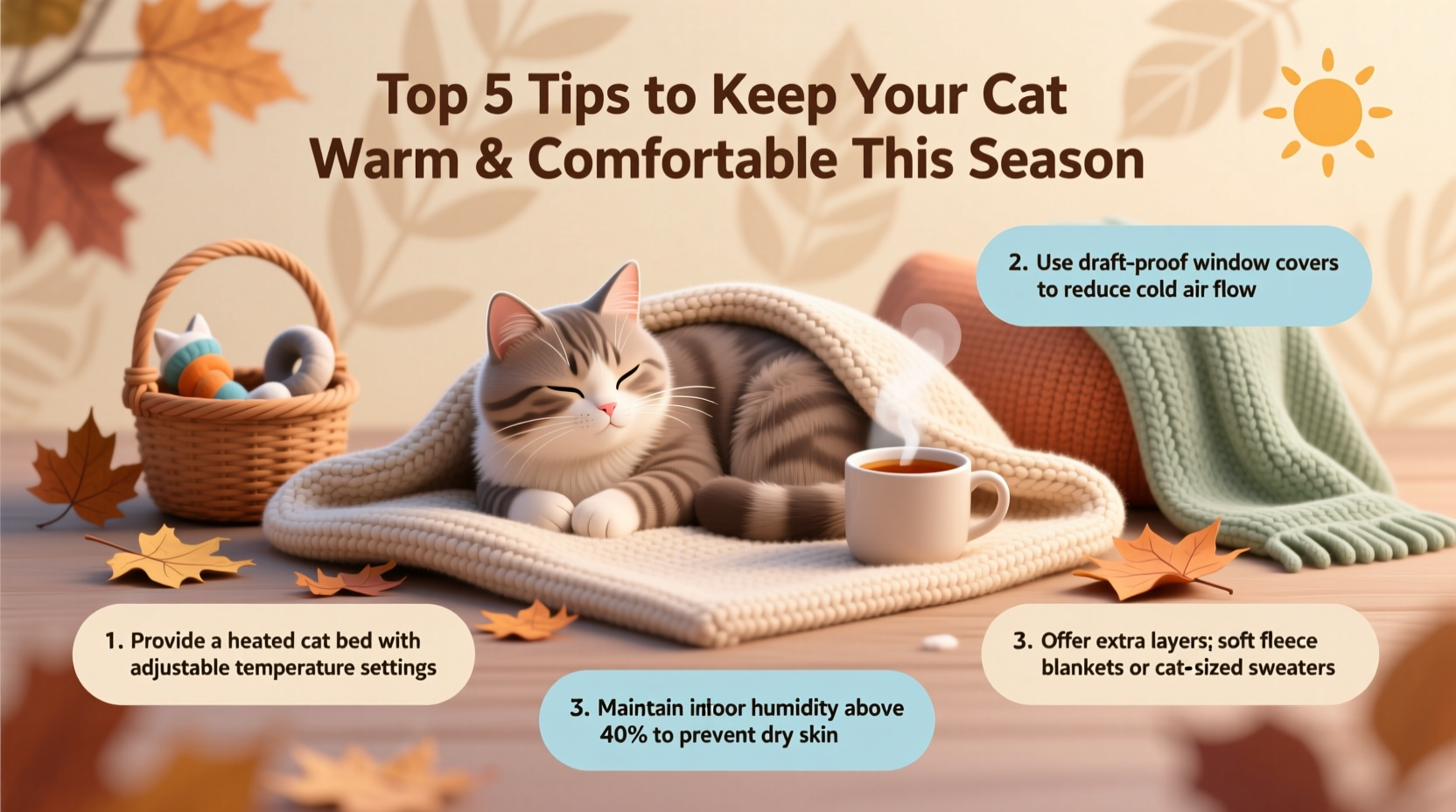
Cats maintain a higher average body temperature than humans—between 100.5°F and 102.5°F (38°C–39.2°C). Their fur provides excellent insulation, especially in double-coated breeds like Maine Coons or Norwegian Forest Cats. Short-haired or hairless breeds such as Siamese or Sphynx may feel the cold more acutely, but even these cats rarely require clothing unless under specific medical conditions.
The idea of dressing cats in \"dresses\" or sweaters is largely driven by human aesthetics rather than animal welfare. In fact, forcing a cat into clothing can cause stress, restrict movement, and interfere with grooming behaviors. Instead of focusing on costumes, prioritize environmental warmth and health monitoring.
“Cats are masters of self-regulation. They seek out warm spots instinctively. Our role is to support that behavior, not override it with unnecessary garments.” — Dr. Lena Patel, Feline Veterinarian, American Association of Feline Practitioners
5 Key Strategies for Winter Comfort
Creating a cat-friendly winter environment doesn’t require fancy outfits. It requires thoughtful adjustments to your home and routine.
1. Provide Warm, Draft-Free Sleeping Areas
Cats spend 12–16 hours a day sleeping, so bedding quality matters. Place soft, washable beds in warm zones—away from exterior doors, windows, or floor vents. Elevated beds retain heat better than those on cold tile or hardwood floors.
2. Maintain Indoor Humidity and Temperature
Dry winter air can lead to flaky skin and dry paws. Keep indoor humidity between 40%–50% using a humidifier. Maintain room temperatures above 68°F (20°C), especially at night. Avoid sudden temperature swings by closing curtains at dusk and using draft stoppers.
3. Encourage Activity to Support Circulation
Reduced daylight and colder temps can make cats less active. Encourage play with interactive toys, puzzle feeders, or scheduled laser pointer sessions. Movement increases blood flow and helps maintain body warmth, particularly in senior cats.
4. Groom Regularly for Insulation Efficiency
A clean, tangle-free coat insulates better. Brush long-haired cats daily to prevent matting, which traps moisture and reduces warmth. For short-haired cats, weekly brushing removes dead skin and loose fur, promoting healthy oil distribution.
5. Monitor Health Changes Closely
Colder weather can exacerbate underlying conditions like arthritis or hyperthyroidism. Watch for signs of discomfort: reluctance to jump, excessive sleeping, shivering, or huddling in tight spaces. Schedule a fall wellness checkup to catch issues early.
When Clothing Might Be Necessary—And How to Do It Safely
In rare cases, clothing may be appropriate. Hairless breeds, elderly cats, or those recovering from surgery may benefit from a lightweight sweater—but only if they tolerate it. Never force a garment on a resistant cat.
If you choose to use clothing:
- Select breathable, stretchable materials like cotton or bamboo.
- Avoid tight seams, zippers, or dangling strings that could entangle claws.
- Limited wear time: no more than 30 minutes under supervision.
- Always remove before sleep or unsupervised periods.
Winter Cat Care Checklist
Stay proactive with this seasonal checklist:
- Inspect and clean all cat beds; replace worn ones.
- Check thermostat settings—ensure minimum 68°F overnight.
- Schedule a pre-winter veterinary exam.
- Stock up on grooming supplies (brushes, wipes, nail clippers).
- Install a humidifier in main living areas.
- Remove drafty gaps under doors or windows.
- Evaluate litter box placement—avoid cold basements or garages.
- Ensure fresh water is available; consider a heated bowl in very cold homes.
Common Myths vs. Facts About Cats in Winter
| Myth | Fact |
|---|---|
| Cats need sweaters when it’s cold outside. | Indoor cats regulate temperature naturally. Sweaters are usually unnecessary and stressful. |
| Hairless cats must wear clothes 24/7. | They benefit from warmth but need skin exposure for proper oil distribution and hygiene. |
| Cats don’t get cold indoors. | Poor insulation, drafts, or low heating can make interiors chilly for cats. |
| Letting cats sunbathe replaces heating needs. | Sunlight helps, but isn’t sufficient during long, dark winters. |
Real-Life Example: Managing a Senior Cat Through Winter
Mrs. Thompson, a cat owner in upstate New York, noticed her 14-year-old tabby, Oliver, was no longer jumping onto the windowsill each morning. During a vet visit, she learned he had mild arthritis worsened by cold weather. Instead of dressing him in sweaters (which he resisted), she made several changes: she moved his bed next to a radiator (with a protective cover), added a heated pad on low setting, installed a nightlight for easier navigation, and increased interactive playtime to boost circulation. Within two weeks, Oliver resumed his perch by the window—curled up and content.
This case illustrates how environmental adjustments outperform forced clothing in improving feline comfort.
Frequently Asked Questions
Can I leave a sweater on my cat while I’m at work?
No. Clothing should never be left unattended. Cats can get tangled, overheat, or ingest fabric while trying to remove it. Always supervise and limit wear time.
Are heated cat beds safe?
Yes, if designed for pets and equipped with safety features like auto-shutoff and chew-resistant cords. Avoid DIY heating solutions, which pose fire and burn risks.
My cat sleeps in a cardboard box—is that enough for winter?
Cardboard provides some insulation, but upgrade to a plush, enclosed bed with raised edges for better warmth retention. Place it in a quiet, warm area of the home.
Conclusion: Prioritize Comfort Over Costume
Keeping your cat warm in autumn and winter has little to do with fashion and everything to do with thoughtful care. By focusing on stable indoor temperatures, cozy bedding, regular grooming, and health monitoring, you provide real comfort without subjecting your cat to unnecessary stress. While the image of a cat in a tiny dress might seem charming, true compassion means respecting their natural instincts and physical needs. A warm lap, a sunny spot, and a loving home are all your cat truly requires to thrive through the colder months.




 浙公网安备
33010002000092号
浙公网安备
33010002000092号 浙B2-20120091-4
Comments
No comments yet. Why don't you start the discussion?