
A tweed woven coat is more than a winter staple—it’s an investment in timeless style and enduring craftsmanship. Woven from wool, often with natural variations in color and texture, tweed is resilient but requires thoughtful care to maintain its integrity over time. Unlike synthetic fabrics, tweed responds poorly to neglect or improper handling. Yet with the right maintenance routine, a well-made tweed coat can last decades, aging gracefully while retaining warmth, shape, and character.
The beauty of tweed lies in its rugged elegance: herringbone patterns, flecked hues, and subtle slubs that speak to artisanal weaving traditions. But these qualities are fragile if exposed to moisture, moths, or mechanical stress. Whether your coat is a vintage Harris Tweed or a modern interpretation, preserving it demands attention to storage, cleaning, and daily wear habits.
Understanding Tweed Fabric and Its Needs
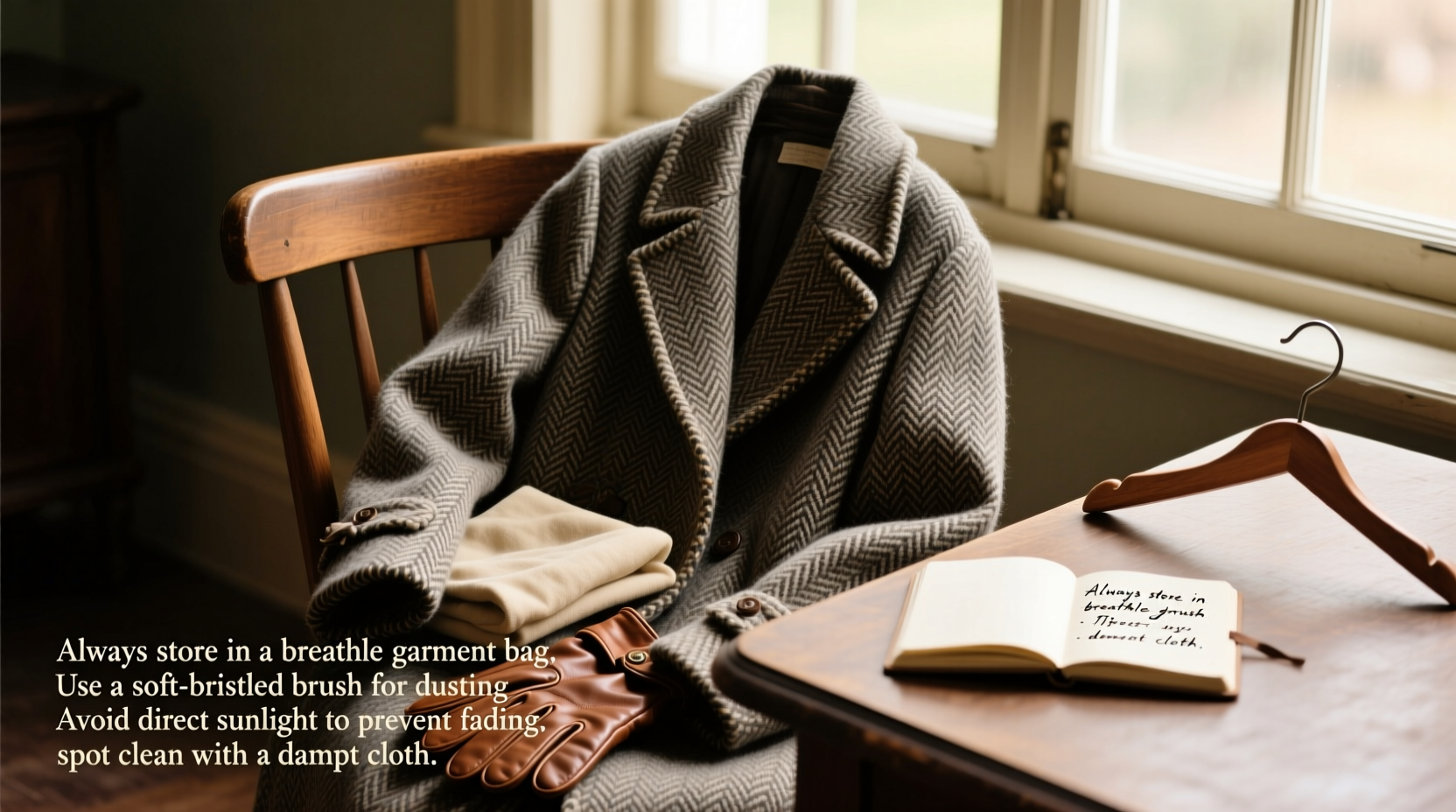
Tweed is typically made from carded wool yarns, giving it a slightly coarse, nubby texture that traps heat efficiently. The weave—whether twill, herringbone, or check—contributes to durability, but also creates crevices where dust and oils can accumulate. Most tweed is untreated or minimally finished, meaning it lacks waterproof coatings or stain-resistant chemicals common in performance outerwear.
This natural composition means tweed breathes well and molds to the wearer’s shape over time. However, it also makes the fabric vulnerable to:
- Water damage: Prolonged exposure causes fibers to swell, leading to shrinkage or distortion.
- Moth infestation: Wool is a food source for moth larvae, especially in dark, undisturbed areas.
- Pilling and abrasion: Friction from bags, seatbelts, or rough surfaces breaks surface fibers.
- Fading: Direct sunlight degrades dyes and weakens wool proteins over time.
Because of these vulnerabilities, proactive care isn’t optional—it’s essential.
Step-by-Step Guide to Daily and Seasonal Maintenance
Caring for tweed isn’t complicated, but it must be consistent. Follow this timeline to keep your coat in peak condition year-round.
- After each wear (immediate): Hang the coat in a well-ventilated area for at least 24 hours to release moisture and odors. Use a soft clothes brush (preferably horsehair) to gently remove surface dust, brushing with the nap of the fabric.
- Monthly: Inspect for signs of moths, especially under collars and inside pockets. Run fingers along seams to feel for loose threads or weak spots.
- End of season (deep care): Before storing, ensure the coat is clean. Never store a soiled garment—residual sweat or dirt attracts pests and accelerates fiber breakdown.
- Every 2–3 years: Consider professional reproofing if your coat has a water-resistant finish. Some tailors offer lanolin treatments to restore natural water repellency.
Between wears, avoid tossing the coat over a chair. Wrinkles and shoulder dimples become permanent if left unattended. Instead, let it rest on a proper hanger in a closet with space around it.
Do’s and Don’ts of Cleaning Tweed
Cleaning tweed at home is risky. Agitation, heat, and moisture can cause irreversible shrinkage or felting. Dry cleaning is common, but overuse strips natural oils and stresses fibers. The best approach balances necessity with caution.
| Do | Don’t |
|---|---|
| Spot-clean small stains with a damp cloth and mild wool detergent | Soak the entire coat in water |
| Use a lint roller for surface debris | Put tweed in the washing machine—even on gentle cycle |
| Take the coat to a specialist cleaner experienced with woolens | Dry clean after every few wears; limit to once per season unless visibly soiled |
| Air out after wearing to reduce need for cleaning | Use steam irons directly on fabric; always use a pressing cloth |
For minor spills, blot immediately with a clean, absorbent cloth. If the stain persists, apply a solution of lukewarm water and a few drops of pH-neutral wool wash (like Eucalan or Woolite). Dab gently, never rub. Allow to air dry away from heat sources.
Expert Insight: Why Long-Term Care Matters
Proper maintenance doesn’t just preserve appearance—it extends structural life. Wool fibers are strong when dry but weak when wet, making mechanical stress during laundering particularly damaging.
“Many people ruin their tweed coats by over-cleaning. Wool has self-cleaning properties through ventilation. Airing is often enough. Only clean when necessary, and always go to a cleaner who understands heritage textiles.” — Daniel Reeves, Master Tailor & Textile Conservator
Reeves emphasizes that traditional tweed, like that from Scotland’s Outer Hebrides, is designed to endure with minimal intervention. The key is respecting the material’s natural behavior rather than treating it like modern synthetics.
Checklist: Complete Tweed Coat Care Routine
Use this checklist annually to ensure no step is missed:
- ☐ Brush coat thoroughly after final seasonal wear
- ☐ Check for moth holes or larval casings
- ☐ Repair loose buttons or frayed linings
- ☐ Clean or dry clean as needed before storage
- ☐ Store in breathable cotton garment bag (not plastic)
- ☐ Place cedar blocks or lavender sachets nearby to deter moths
- ☐ Store in cool, dry, dark space with good airflow
- ☐ Reassess fit and condition before next season
Real Example: Restoring a Heirloom Tweed Coat
James inherited his grandfather’s 1950s tweed overcoat—classic herringbone with leather elbow patches. Initially moth-eaten at the collar and stiff from decades in a plastic cover, he consulted a textile restorer. The process took three weeks: dry cleaning with low-solvent methods, hand-mending of damaged areas, and a lanolin-based conditioning treatment. Stored properly afterward, the coat now sees regular winter use. “It fits better than anything I’ve bought new,” James says. “But it only survived because we didn’t try to clean it ourselves.”
This case underscores two truths: tweed can last generations, but only if treated with expertise and patience.
FAQ
Can I wash my tweed coat at home?
No. Hand-washing risks felting and shrinkage due to temperature changes and agitation. Even cold water can cause fibers to lock together permanently. Always opt for professional dry cleaning when necessary, or spot-treat at home with extreme caution.
How do I remove wrinkles without damaging the fabric?
Hang the coat in a steamy bathroom for 15–20 minutes to relax creases. For stubborn folds, use a steamer held at least 6 inches from the fabric, or iron with a pressing cloth on the lowest wool setting. Never press directly.
What should I do if I notice moths?
Immediately remove the coat and freeze any affected items in sealed bags for 72 hours to kill larvae. Vacuum the closet thoroughly, then treat with natural repellents like cedar or rosemary. Monitor closely for recurrence.
Final Thoughts: Treat Tweed Like Heirloom Craftsmanship
A tweed woven coat deserves more than casual upkeep. It’s a piece of textile history, woven with resilience and purpose. By brushing regularly, storing thoughtfully, and cleaning sparingly, you honor both the material and the craft behind it. Over time, the coat will develop a personal patina—softened elbows, a molded collar—that speaks to years of intelligent wear.




 浙公网安备
33010002000092号
浙公网安备
33010002000092号 浙B2-20120091-4
Comments
No comments yet. Why don't you start the discussion?