
Ankle boots are a staple in many wardrobes—versatile, stylish, and perfect for transitioning between seasons. But when winter arrives with its slush, snow, and relentless downpours, even the most durable pair can fall victim to water damage, salt stains, and premature wear. Without proper care, moisture seeps into the material, causing cracking, discoloration, and odor buildup. The good news is that with a few smart precautions and consistent maintenance, you can keep your ankle boots looking sharp and lasting longer—even through the harshest conditions.
Choose the Right Materials for Wet Conditions
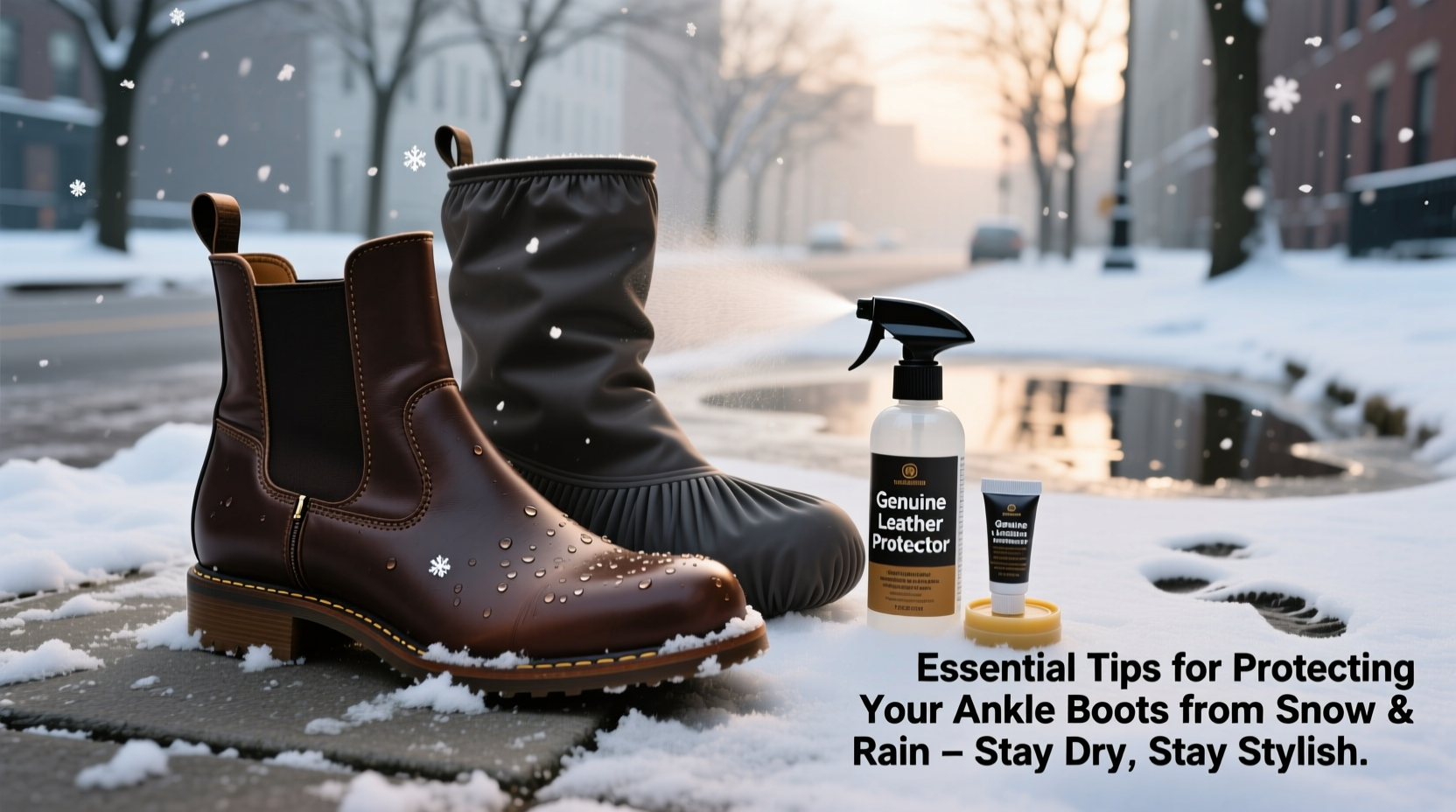
Not all ankle boots are created equal when it comes to weather resistance. The material plays a crucial role in how well your boots handle moisture and cold. Leather, especially full-grain or oiled leather, naturally repels water better than suede or fabric uppers. Suede may look elegant but absorbs water quickly and is prone to staining and warping if not treated properly.
When purchasing ankle boots intended for winter use, consider:
- Water-resistant leather: Look for terms like “weather-treated” or “water-repellent finish.”
- Rubber or synthetic outsoles: These provide better traction on icy surfaces and resist water absorption.
- Sealed seams: Prevents water from entering through stitching.
- Insulated lining: Keeps feet warm without sacrificing breathability.
Apply Protective Treatments Before Winter Hits
Prevention is far more effective than repair. Before the first snowfall, take time to apply protective treatments tailored to your boot’s material. This proactive step forms a barrier against moisture, salt, and dirt.
For leather boots, use a silicone-free waterproofing conditioner that nourishes the leather while repelling water. For suede or nubuck, specialized sprays create an invisible shield without altering texture or color. Always test the product on a small, inconspicuous area first.
“Applying a protective treatment three times a year—before fall, mid-winter, and early spring—can prevent up to 70% of weather-related damage.” — Daniel Reyes, Footwear Care Technician at Urban Sole Restoration
Step-by-Step Guide: How to Waterproof Ankle Boots
- Clean the boots thoroughly using a damp cloth and appropriate cleaner (leather wipe or suede brush).
- Allow them to air dry completely—never near direct heat.
- Shake the waterproofing spray well and apply evenly from 6 inches away.
- Cover all surfaces, including seams and around zippers.
- Let dry for at least 24 hours before wearing.
- Reapply every 4–6 weeks during heavy winter use.
Do’s and Don’ts When Wearing Boots in Snow and Rain
Even the best-prepared boots can suffer if worn improperly in adverse conditions. Understanding what to do—and what not to do—while navigating wet environments makes a significant difference.
| Do’s | Don’ts |
|---|---|
| Wipe off moisture and salt immediately after returning indoors. | Leave wet boots unattended overnight. |
| Use shoe trees or stuff with acid-free paper to maintain shape and absorb moisture. | Place near radiators or heaters to dry quickly. |
| Rotate between multiple pairs to allow each to rest and dry fully. | Wear the same pair daily in wet conditions. |
| Store in a breathable cotton bag when not in use. | Keep in plastic bags where condensation builds up. |
| Re-treat with protector monthly during winter. | Assume one treatment lasts the entire season. |
Real Example: Recovering From Winter Damage
Sarah, a teacher in Chicago, loved her tan suede ankle boots but noticed white streaks forming after just two weeks of winter commutes. She hadn’t applied any protection and often left her boots by the heater to dry. By January, the leather was stiff, cracked, and discolored.
She took them to a cobbler who explained that the salt from sidewalks had reacted with untreated suede, and rapid drying had caused fibers to shrink unevenly. After professional cleaning and reconditioning, the boots were restored—but at a cost of $45. Since then, Sarah treats her footwear proactively and rotates between two pairs. Her boots now last through the season with minimal wear.
Proper Drying and Storage Techniques
How you dry and store your ankle boots determines whether they stay supple or deteriorate over time. Never underestimate the power of slow, natural drying. Heat sources like hairdryers, radiators, or car vents may seem efficient but cause irreversible damage—warping soles, cracking leather, and loosening adhesives.
Instead, follow this routine:
- Remove laces and insoles to increase airflow.
- Stuff boots with crumpled newspaper or cedar shoe trees to draw out moisture.
- Place in a well-ventilated room at room temperature.
- Avoid stacking or compressing other items on top.
Once fully dry, apply a light conditioning cream to leather boots to restore oils lost during moisture exposure. For long-term storage, use breathable fabric bags and include silica gel packs to control humidity.
Frequently Asked Questions
Can I wear suede ankle boots in the snow?
You can, but only if they’ve been properly treated with a waterproofing spray designed for suede. Even then, avoid deep snow or standing water. Limit wear to light precipitation and dry them carefully afterward.
How often should I clean my ankle boots during winter?
After every 3–4 wears in wet conditions, perform a surface clean. Wipe down with a damp cloth, remove salt residue, and let dry naturally. Deep clean once per month using a product suited to the material.
Is it safe to use vinegar or home remedies on stained boots?
No. Vinegar is acidic and can damage leather finishes or set stains in porous materials like suede. Stick to manufacturer-recommended cleaners or consult a professional for stubborn marks.
Final Checklist: Protect Your Ankle Boots This Winter
- ✔ Assess your current ankle boots—are they suitable for winter?
- ✔ Apply a waterproofing treatment based on material type.
- ✔ Clean and condition leather every 4–6 weeks.
- ✔ Wipe down boots immediately after exposure to rain or snow.
- ✔ Dry slowly at room temperature with stuffing inside.
- ✔ Store in breathable containers away from direct heat and sunlight.
- ✔ Rotate footwear to extend lifespan and ensure full drying.
Take Action Now—Before the Next Storm Hits
Your ankle boots deserve more than seasonal replacement. With thoughtful preparation and consistent care, they can withstand winter’s worst while keeping your style intact. Whether you're walking to work through city slush or hiking country paths after a storm, protection starts before you step outside. Invest an hour now to treat and prepare your favorite pairs—it could save months of wear and hundreds in replacements.




 浙公网安备
33010002000092号
浙公网安备
33010002000092号 浙B2-20120091-4
Comments
No comments yet. Why don't you start the discussion?