
A designer handbag is more than an accessory—it’s a statement of taste, an investment in craftsmanship, and often, a lifelong companion. Whether it’s a timeless Chanel flap, a structured Hermès Birkin, or a sleek Prada tote, preserving its condition ensures both aesthetic longevity and resale value. The most common threats? Scratches from daily friction and stains from accidental spills or environmental exposure. With mindful habits and informed care, you can maintain your bag’s pristine appearance for years. Here’s how.
Understand Your Bag’s Material and Vulnerabilities
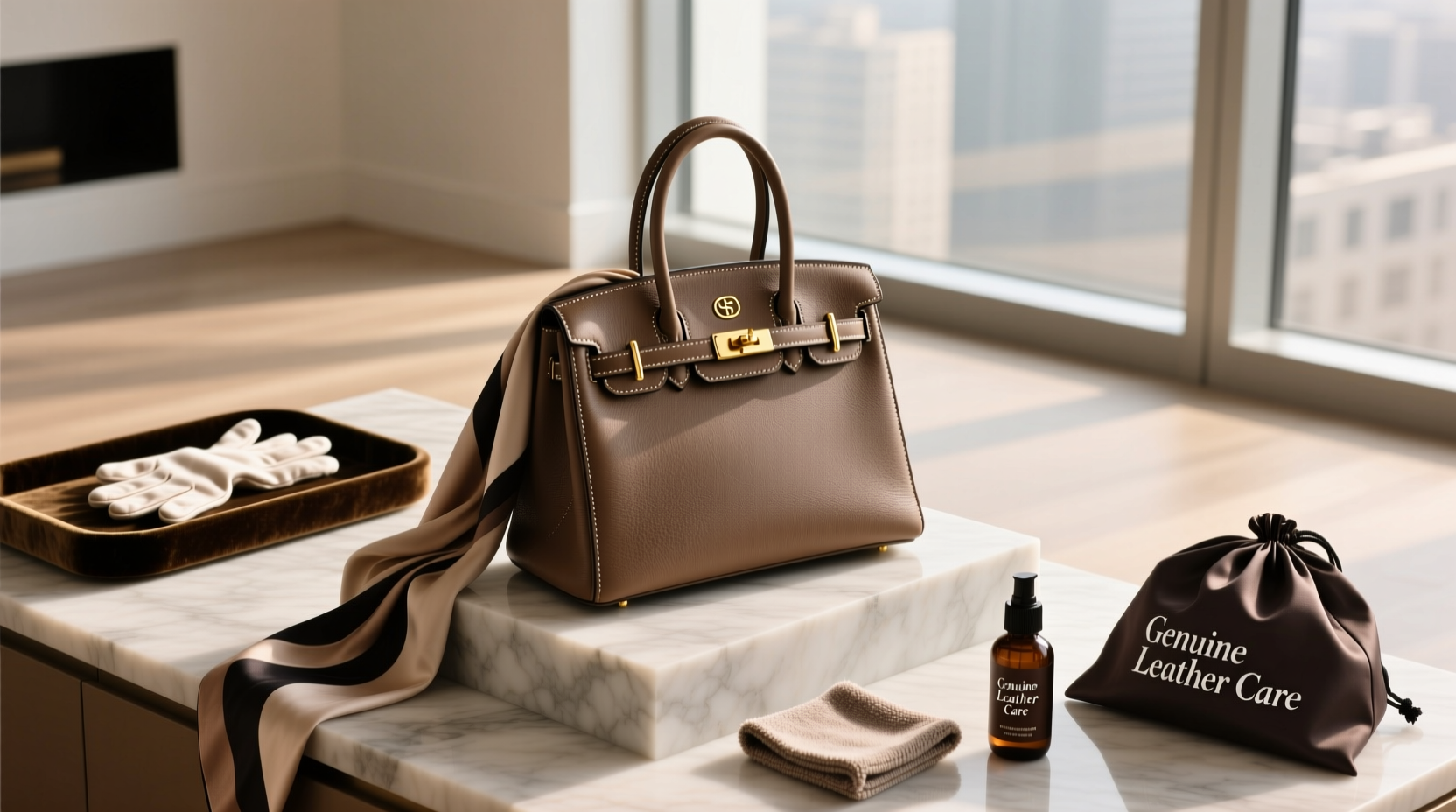
Not all designer bags are created equal. Each material—whether smooth calfskin, exotic leather, suede, canvas, or patent—responds differently to wear and cleaning methods. Recognizing what your bag is made of determines the right protective strategy.
Smooth leathers like those used by Louis Vuitton or Gucci resist minor scuffs but can develop surface scratches over time. Suede and nubuck, seen in Bottega Veneta designs, are soft but highly susceptible to watermarks and abrasions. Canvas bags, such as those from Goyard or classic LV monograms, resist stains well but can fray at corners. Exotic skins like crocodile or python demand extra caution due to their delicate scale structure.
“Knowing your bag’s anatomy is half the battle. A lizard-skin clutch needs different care than a quilted lambskin satchel.” — Clara Montes, Luxury Accessory Conservator
Prevent Scratches with Smart Handling and Storage
Daily use exposes your bag to countless micro-abrasions—from brushing against door frames to resting on rough tabletops. While some wear is inevitable, proactive handling reduces visible damage.
- Remove jewelry (especially rings and bracelets) before handling your bag to avoid catching zippers or scratching surfaces.
- Avoid placing your bag directly on restaurant tables, subway seats, or bathroom floors. Use a napkin or cloth as a barrier when necessary.
- When carrying, keep straps clear of sharp edges and don’t let metal hardware dangle against walls or furniture.
Storage plays a critical role. Never toss your bag into a crowded closet where it can be crushed or scratched by other items. Instead, store it upright with its shape supported.
| Material Type | Best Storage Practice | Common Scratch Risks |
|---|---|---|
| Smooth Leather | In a dust bag, stuffed with acid-free tissue | Contact with keys, belts, or metal surfaces |
| Suede/Nubuck | On a padded hanger, away from light | Fabric pilling, rough denim, pet claws |
| Canvas/Monogram | Upright in breathable cotton cover | Corners rubbing on hard surfaces |
| Exotic Skin | Climate-controlled cabinet, humidity 45–55% | Pressure marks, improper stuffing |
Defend Against Stains with Immediate Action and Prevention
Liquids, oils, makeup, and even sweat can leave permanent marks if not addressed quickly. Prevention starts with awareness, but response speed makes the difference between a near-miss and irreversible damage.
For leather bags, always carry a microfiber cloth in a discreet pocket. If liquid spills, blot gently—never rub—to absorb moisture without spreading. Avoid using household cleaners, which often contain alcohol or solvents that strip natural oils.
To prevent oil transfer, refrain from applying hand cream or sunscreen immediately before touching your bag. Keep makeup stored in a separate pouch inside the bag to minimize contact with liners and outer surfaces.
Step-by-Step: Responding to Common Spills
- Act within minutes: Delay increases absorption, especially in porous materials.
- Blot, don’t wipe: Use a clean, dry cloth to gently press down on the spill.
- Identify the substance: Water-based spills differ from oil or ink—use appropriate solutions.
- Use a manufacturer-approved cleaner: Brands like Coach and Saint Laurent offer branded wipes or foams.
- Air-dry naturally: Never use heat sources like hairdryers, which can crack leather or set stains.
Real Example: How One Spill Almost Ruined a Limited-Edition Celine
Sophia, a fashion editor in Milan, once spilled red wine on her vintage Celine Box Bag during a dinner event. Panicked, she dabbed it with a cocktail napkin—only to see the stain spread. Later that night, she consulted a luxury bag restoration specialist who advised immediate treatment with a pH-neutral leather foam and a suede eraser for the trim. After two sessions, the bag was restored with no visible residue.
The lesson? Quick thinking matters, but so does using the correct method. Improper wiping had worsened the initial damage. Had she waited longer, the tannins in the wine might have permanently discolored the ivory lambskin.
Maintenance Checklist: Weekly, Monthly, and Seasonal Care
Consistency is key. Integrate these actions into your routine to protect your investment:
- Weekly: Wipe down exterior with a dry microfiber cloth; inspect corners and hardware.
- Monthly: Clean interior lining with a soft brush; condition smooth leather if dry.
- Seasonally: Rotate stored bags; re-stuff with fresh tissue; check for mold or odor.
- After heavy use: Detach straps if possible and store separately to reduce stress points.
- Before long-term storage: Apply a protective spray (if suitable for material) and place in a dust bag.
“Consistent care and proper storage can double a bag’s lifespan.” — Emma Clarke, Fashion Care Expert
Frequently Asked Questions
Can I use baby wipes to clean my designer bag?
No. Most baby wipes contain alcohol, fragrance, and preservatives that degrade leather finishes and cause discoloration. They may also leave a sticky residue. Use only products specifically designed for luxury accessories.
How do I remove a scratch from a patent leather bag?
Minor surface scratches on patent leather can sometimes be buffed with a soft cloth and a tiny amount of petroleum jelly applied sparingly. However, deep scratches require professional polishing. Always test on an inconspicuous area first.
Is it safe to store my bag in its original box?
Only if the box is made of acid-free materials and stored in a climate-controlled environment. Regular cardboard can off-gas acids over time, leading to yellowing or brittleness. A breathable cotton dust bag inside a ventilated closet is generally safer.
Conclusion: Elevate Your Care, Honor Your Investment
Your designer bag deserves more than occasional attention—it demands a thoughtful, consistent approach to preservation. From avoiding everyday hazards to mastering the right cleaning rhythm, each small action compounds into lasting beauty. Scratches and stains aren’t inevitable; they’re often the result of overlooked details. By understanding your bag’s needs, responding swiftly to accidents, and storing it with intention, you honor both the artistry behind its creation and the personal story it carries.




 浙公网安备
33010002000092号
浙公网安备
33010002000092号 浙B2-20120091-4
Comments
No comments yet. Why don't you start the discussion?