
Wool shoes have gained popularity for their natural comfort, breathability, and temperature-regulating properties. Whether they’re made from merino, cashmere, or blended wool fibers, these shoes offer unmatched softness and insulation. However, one major concern users face is shrinkage—especially after improper washing or drying. Once wool shrinks, it rarely returns to its original shape, leaving shoes tight, uncomfortable, or unwearable. The good news: with the right care, you can preserve the fit and longevity of your wool footwear. This guide delivers practical, expert-backed strategies to help you avoid shrinkage and keep your wool shoes looking and feeling like new.
Understanding Why Wool Shoes Shrink
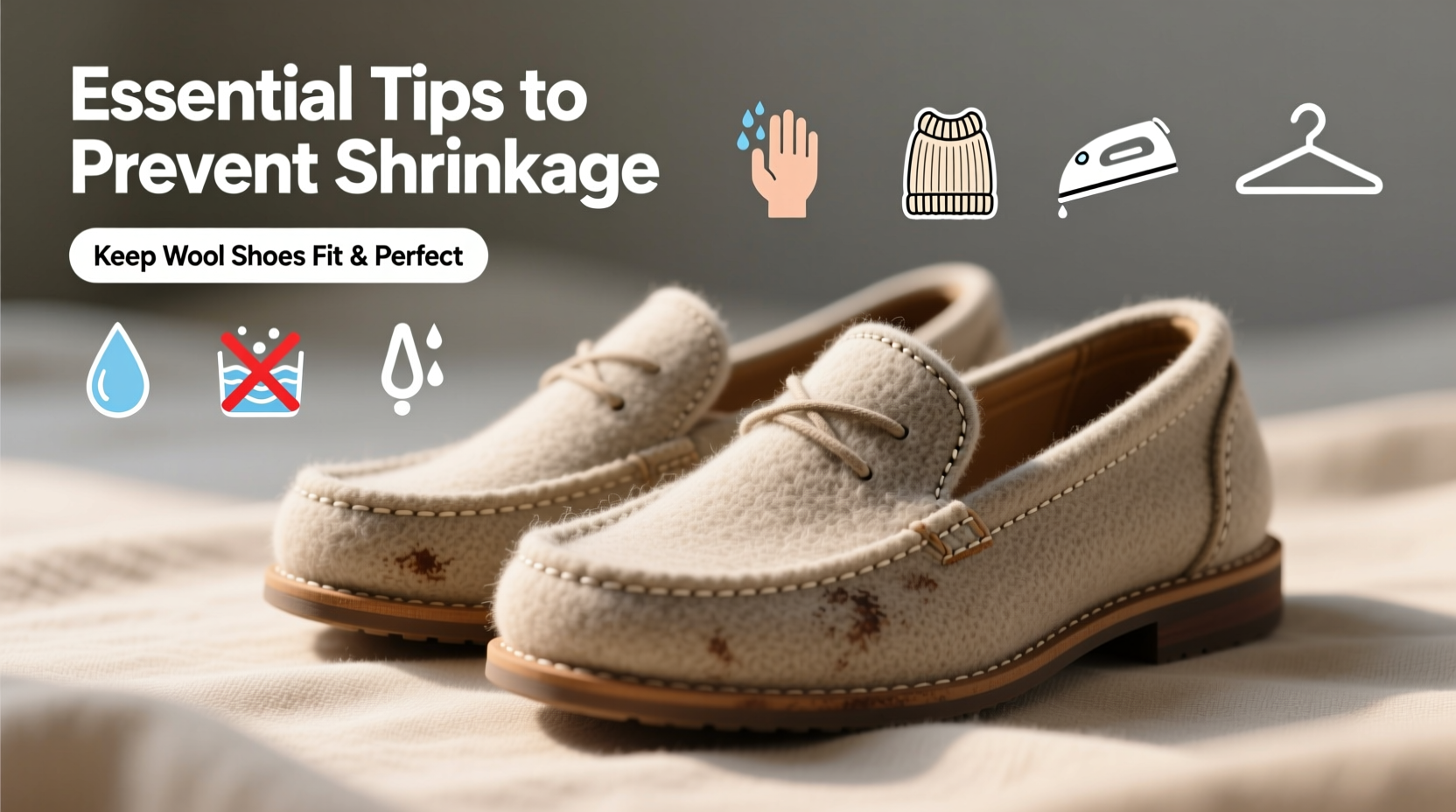
Wool is a protein-based fiber derived from sheep, known for its elasticity and moisture-wicking ability. However, these same qualities make it vulnerable to structural changes under certain conditions. Shrinkage occurs when wool fibers are exposed to heat, agitation, and moisture simultaneously—a combination that causes the scales on the fiber surface to lock together, tightening the fabric permanently.
This process, known as felting, is irreversible. Unlike synthetic materials that bounce back, wool doesn’t recover once compacted. That’s why understanding the science behind shrinkage is the first step in prevention. Temperature fluctuations, mechanical stress (like machine agitation), and incorrect drying methods are the primary culprits.
“Wool isn’t just delicate—it’s reactive. Heat and friction trigger a biological response in the fibers that leads to permanent contraction.” — Dr. Lena Torres, Textile Scientist at Nordic Fiber Institute
How to Wash Wool Shoes Safely
Cleaning wool shoes requires a gentle touch. Most manufacturers recommend hand washing, and for good reason. Machine washing—even on a delicate cycle—introduces too much agitation and spin force, increasing the risk of felting.
Step-by-Step Hand Washing Guide
- Remove loose dirt: Use a soft brush or dry cloth to wipe away surface dust and debris.
- Prepare lukewarm water: Fill a basin with water no warmer than 30°C (86°F). Hot water triggers fiber contraction.
- Add wool-safe detergent: Use a pH-neutral, biodegradable cleaner designed for wool or delicates. Avoid regular laundry detergents—they contain enzymes and alkalis that damage fibers.
- Soak gently: Submerge the shoes and let them soak for 5–10 minutes. Do not rub, twist, or wring.
- Rinse thoroughly: Drain the soapy water and refill the basin with clean, cool water. Repeat until water runs clear.
- Press out moisture: Gently press the shoes between your palms to remove excess water. Never twist or squeeze.
Drying Techniques That Prevent Shrinkage
Drying is where most people go wrong. Tossing wool shoes into a dryer is the fastest way to ruin them. High heat and tumbling action will felt the fibers instantly. Even direct sunlight or placement near radiators can distort shape and cause shrinkage.
The safest method is air drying at room temperature, away from direct heat sources. Lay the shoes on a clean, dry towel in a well-ventilated area. Reshape them gently with your hands to maintain their original form. Turn them occasionally to ensure even drying.
| Drying Method | Safe? | Why? |
|---|---|---|
| Air drying at room temperature | ✅ Yes | No heat or movement; preserves fiber integrity |
| Dryer (any setting) | ❌ No | Heat and tumbling cause rapid felting |
| Near heater or radiator | ❌ No | Uneven heat distorts shape and shrinks fibers |
| Direct sunlight | ⚠️ Risky | UV rays weaken fibers and may fade color |
Storage and Daily Care Best Practices
Proper storage plays a critical role in maintaining the shape and size of wool shoes over time. Storing them in humid environments encourages mold growth and fiber degradation, while compression in tight spaces can deform the structure.
- Store in a cool, dry closet with good airflow.
- Use breathable cotton bags instead of plastic containers.
- Insert shoe trees or rolled-up tissue paper to help retain shape.
- Rotate wear—avoid wearing the same pair two days in a row to allow fibers to relax and recover.
Real-Life Example: A Costly Mistake and Recovery
Sophie, a teacher from Portland, bought a pair of premium merino wool slippers for winter use. After two months, she noticed they felt tighter. She machine-washed them on “delicate” with cold water, assuming it was safe. Within minutes in the dryer, the slippers shrank by nearly a full size.
She contacted the manufacturer, who advised soaking them in lukewarm water with hair conditioner for 20 minutes, then gently stretching them by hand while damp. Though they didn’t return completely to their original size, she regained partial fit. Since then, Sophie hand-washes her wool items and dries them flat—never using machines again.
Her experience highlights a common misconception: that “cold” machine cycles are harmless. Even minimal agitation can initiate felting, especially in loosely knitted wool shoes.
Essential Wool Shoe Care Checklist
To simplify maintenance, follow this weekly and monthly checklist:
Weekly:
- Brush off surface dirt and debris
- Air out shoes after wear
- Check for moisture buildup insoles
Monthly (or as needed):
- Hand wash with wool-safe detergent
- Reshape and air dry properly
- Inspect for moth damage or pilling
Seasonally:
- Deep clean before storing
- Store in breathable containers with cedar blocks
- Rotate into use gradually after long storage
Frequently Asked Questions
Can I put wool shoes in the washing machine if I use a mesh bag?
No. Even with a mesh bag and cold water, the agitation during the wash and spin cycles is enough to cause felting. Always opt for hand washing to be safe.
What should I do if my wool shoes have already shrunk?
Try rewetting them in lukewarm water with a wool conditioner or hair mask. Gently stretch them by hand while damp, reshaping around a shoe form or your foot. Results vary, but minor shrinkage can sometimes be reversed.
Are all wool shoes equally prone to shrinking?
No. Shoes made from boiled wool are pre-felted and more resistant to further shrinkage. However, untreated or knitted wool styles are highly vulnerable. Always check the care label and construction method.
Final Thoughts: Protect Your Investment
Wool shoes are an investment in comfort, sustainability, and natural performance. But their benefits only last if cared for correctly. By avoiding heat, minimizing agitation, and adopting mindful cleaning habits, you can prevent shrinkage and enjoy a perfect fit for seasons to come. Remember, wool responds best to patience and gentleness—rushing the process risks irreversible damage.




 浙公网安备
33010002000092号
浙公网安备
33010002000092号 浙B2-20120091-4
Comments
No comments yet. Why don't you start the discussion?