
Bone china remains one of the most coveted materials in fine tableware, prized for its delicate appearance, remarkable strength, and luminous translucency. Originating in England in the late 18th century, it combines kaolin, feldspar, and a significant proportion of calcined bone ash—typically between 30% and 45%. This unique composition gives bone china its signature warmth, durability, and elegance. However, as demand has grown, so too has the market for imitations. Distinguishing authentic bone china from porcelain or low-grade ceramics requires more than just aesthetics—it demands knowledge, observation, and a few simple but effective tests.
Understanding What Makes Bone China Unique
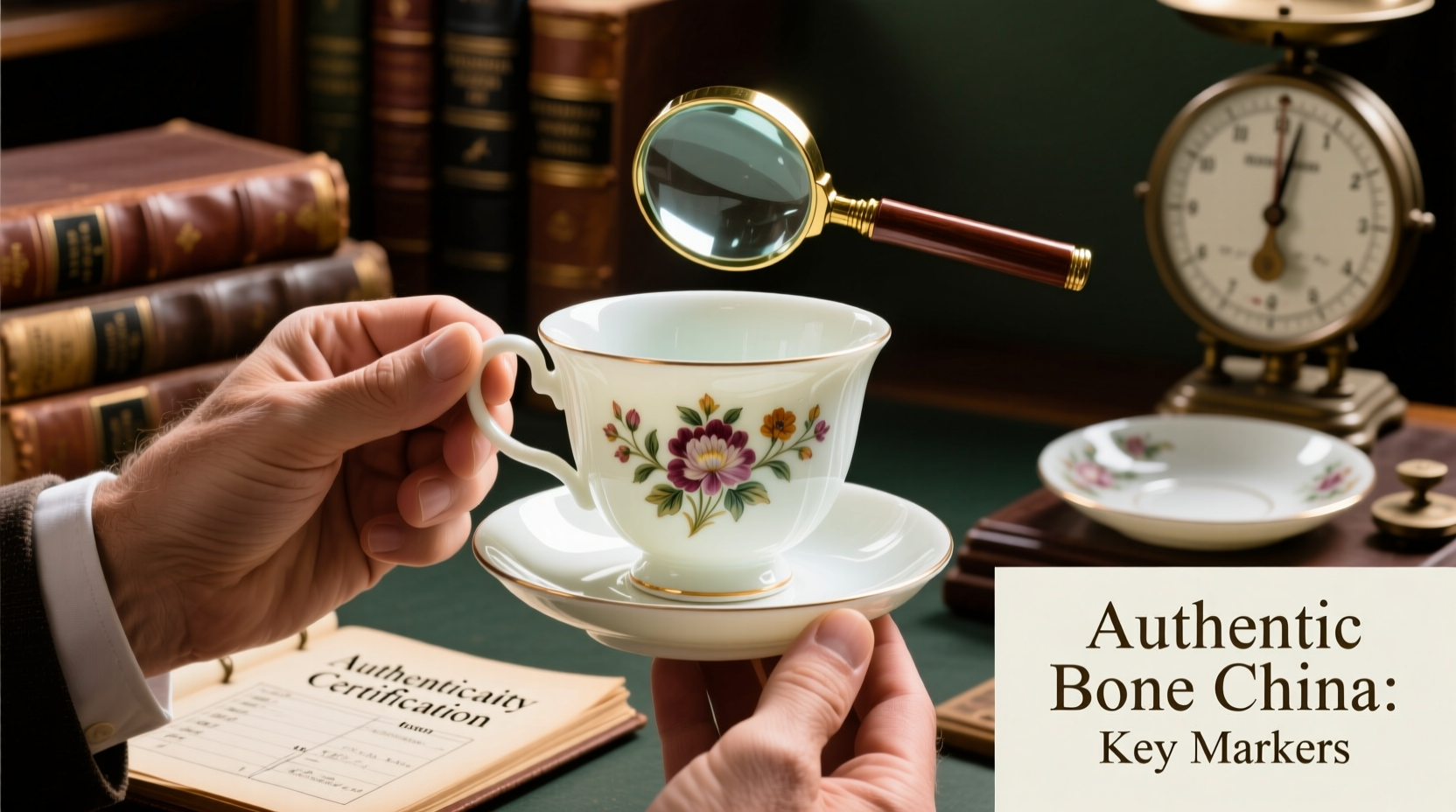
The defining characteristic of true bone china is the inclusion of finely ground animal bone, usually from cattle, which is heated to high temperatures to create bone ash. This ingredient not only imparts a soft, milky white hue but also enhances thermal shock resistance and mechanical strength. Unlike standard porcelain, which can feel cold and glassy, bone china carries a subtle warmth and organic quality due to its biological component.
Authentic bone china is typically fired twice: first at around 1200°C (biscuit firing), then again after glazing at approximately 1100°C. The result is a material that is both thin and resilient—capable of withstanding daily use while maintaining an ethereal delicacy. Because of the labor-intensive process and premium materials involved, genuine bone china commands higher prices and is often associated with heritage brands like Wedgwood, Royal Doulton, and Spode.
Five Key Methods to Identify Authentic Bone China
Recognizing real bone china involves a combination of visual inspection, tactile assessment, and even auditory testing. Here are five reliable techniques to verify authenticity.
1. Translucency Test
Hold the piece up to a light source, preferably natural daylight. Authentic bone china allows light to pass through evenly, especially along the rim or thinner sections. Porcelain may appear translucent too, but bone china exhibits a softer, warmer glow due to its mineral composition. If the piece blocks light entirely or appears opaque, it’s likely a lower-grade ceramic.
2. Ring Test
Gently tap the edge of the piece with your fingernail or a metal spoon. Real bone china produces a clear, sustained ringing sound—often described as a “ping” that lingers for several seconds. This resonance is a result of its dense yet refined structure. In contrast, ordinary ceramic or stoneware will produce a dull thud or short clink.
“Bone china’s acoustic clarity is one of the oldest and most trusted methods of verification. A true ring means proper firing and material integrity.” — Dr. Helen Prescott, Ceramics Conservator, Victoria & Albert Museum
3. Weight and Feel
Bone china feels lightweight despite its durability. When held, it should seem almost surprisingly light for its size, with smooth, refined edges. Imitations made from porcelain or heavy clay often feel denser and colder to the touch. Run your fingers along the surface; authentic pieces have a silky, glass-like finish without grittiness or uneven texture.
4. Glaze Quality
Examine the glaze under bright light. Authentic bone china features a uniform, non-porous glaze that seamlessly integrates with the body. Cracks, bubbles, or visible seams between the glaze and ceramic indicate poor craftsmanship or inferior materials. Also, check for crazing—fine cracks in the glaze—which may suggest age or substandard production, though minor crazing in antique pieces can be acceptable.
5. Markings and Backstamps
Most reputable manufacturers stamp their pieces with a backstamp on the underside. These marks often include the brand name, country of origin, pattern number, and sometimes the words “Fine Bone China” or “Bone China.” Research the mark using collector databases or manufacturer archives. Beware of vague labels like “Premium China” or “Luxury Porcelain,” which are often used to mimic authenticity without meeting standards.
Do’s and Don’ts When Evaluating Bone China
| Action | Do | Don’t |
|---|---|---|
| Inspecting color | Look for warm ivory tones | Avoid pieces that are stark white |
| Testing sound | Listen for a long, clear ring | Dismiss items with a flat thud |
| Checking weight | Choose lightweight, balanced pieces | Reject heavy or unbalanced wares |
| Examining origin | Prefer UK, Japan, or Germany-made | Suspect unmarked or suspicious origins |
| Assessing price | Expect higher cost for genuine items | Be wary of “luxury” bone china at bargain prices |
Step-by-Step Guide to Verifying a Piece at Home
You don’t need a lab or expert tools to make an informed judgment. Follow this practical sequence to evaluate any piece of suspected bone china:
- Examine the Mark: Turn the item over and locate the manufacturer’s stamp. Verify it against official brand registries.
- Check the Color: Look closely at the base and interior. Does it have a creamy, off-white tone? Pure white suggests porcelain.
- Feel the Weight: Pick it up. Is it surprisingly light for its size? Heavy = likely not bone china.
- Test Translucency: Hold it to a lamp or window. Can you see light filtering through the rim?
- Perform the Ring Test: Tap gently. Listen for a sustained, musical ring lasting 2–3 seconds.
- Inspect the Glaze: Run your finger over the surface. It should be perfectly smooth, with no pitting or roughness.
- Consider the Price: If it seems too good to be true, it probably is. Authentic bone china rarely sells for under $50 per piece unless vintage or secondhand.
Real-World Example: Spotting a Counterfeit at an Estate Sale
Sarah Thompson, a vintage tableware collector from Bath, once purchased what appeared to be a set of early 20th-century Royal Worcester cups and saucers. Excited by the ornate hand-painted florals and elegant shape, she nearly finalized the purchase before conducting a quick ring test. To her surprise, the pieces produced a flat, muffled sound. Further inspection revealed a backstamp labeled “Royal China Collection”—a known imitation brand. The vendor admitted they were decorative porcelain replicas. Sarah avoided spending £300 on fakes thanks to two simple checks: sound and stamp verification. Her experience underscores how easily appearances can deceive—and why methodology matters.
Frequently Asked Questions
Is all bone china made in England?
No, while England pioneered bone china, high-quality versions are now produced in countries like Japan, Germany, and even the United States. Japanese manufacturers such as Noritake are renowned for their precision and craftsmanship. Always verify the mark and apply the same authenticity tests regardless of origin.
Can bone china be microwaved or dishwasher safe?
Most modern bone china is labeled microwave and dishwasher safe, provided it lacks metallic gilding or painted trims. However, frequent machine washing can dull finishes over time. For heirloom or antique pieces, hand washing is strongly recommended to preserve longevity and appearance.
Does bone china contain actual bones?
Yes, but not in raw form. The bone ash used is derived from animal bones that are cleaned, crushed, and calcined (heated to remove organic matter) before being mixed into the ceramic body. The final product contains no recognizable biological material and is considered safe and inert.
Final Thoughts: Cultivate Confidence in Your Choices
Recognizing authentic bone china isn’t about memorizing brand names or relying solely on price tags—it’s about developing a discerning eye and trusting a few proven sensory tests. Whether you’re building a formal dinner service, restoring family heirlooms, or investing in timeless elegance, knowing how to distinguish the real from the replica empowers you to make informed, confident decisions. Bone china represents centuries of craftsmanship and refinement; honoring that legacy starts with understanding what lies beneath the surface.




 浙公网安备
33010002000092号
浙公网安备
33010002000092号 浙B2-20120091-4
Comments
No comments yet. Why don't you start the discussion?