
A luxury dining table tablecloth is more than just a functional covering—it’s an expression of taste, refinement, and hospitality. Whether crafted from fine linen, silk, cotton damask, or lace-trimmed voile, these textiles elevate every meal into an occasion. However, their beauty demands careful stewardship. Improper cleaning or storage can lead to fading, shrinkage, fiber damage, or permanent stains. To preserve both the aesthetic and structural integrity of your investment, follow science-backed and designer-recommended practices that balance gentleness with effectiveness.
Understand Your Fabric: The Foundation of Care
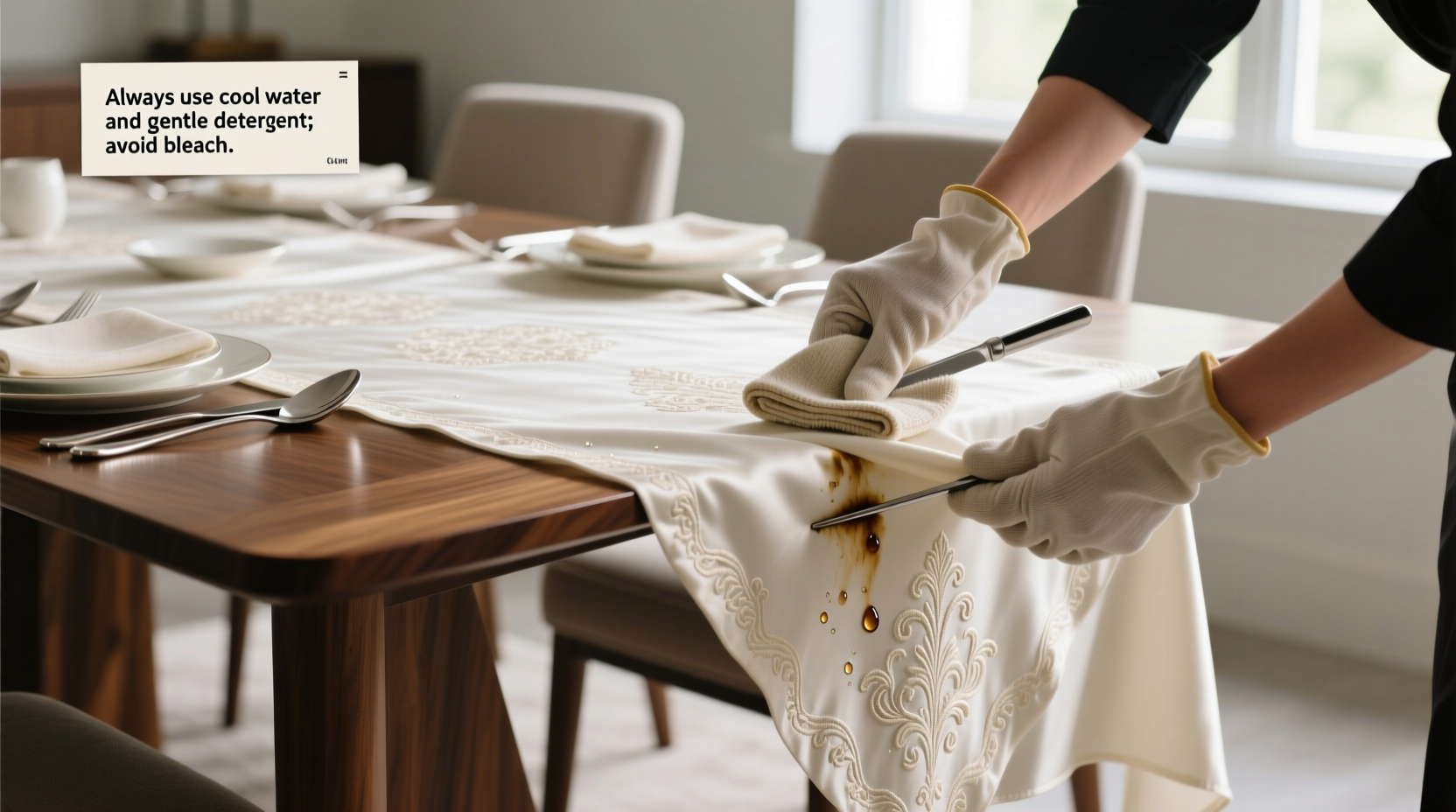
The first rule in maintaining any luxury textile is knowing what it’s made of. Different fabrics react uniquely to water, detergents, heat, and agitation. Misidentifying care requirements is one of the most common causes of irreversible damage.
- Linen: Naturally breathable and durable but prone to wrinkling and shrinkage if washed above 30°C (86°F).
- Cotton Damask: Often intricately woven; requires mild detergent and air drying to prevent distortion.
- Silk: Delicate and sensitive to alkaline substances; typically dry-clean only unless labeled otherwise.
- Polyester Blends: More resilient but may pill or lose luster with abrasive treatment.
Failing to identify fabric type can result in disastrous outcomes—like a once-pristine silk tablecloth shrinking by nearly 20% after being machine-washed on warm. Knowledge prevents regret.
Step-by-Step Guide: Safe Cleaning Process for Luxury Tablecloths
Even high-end tablecloths will eventually need cleaning. The key is doing so methodically and gently. Follow this timeline-tested approach:
- Inspect and Pre-Treat Stains Immediately: At the end of a dinner party, blot spills—never rub. Use a clean white cloth dampened with cold water and a drop of pH-neutral dish soap for organic stains like wine or oil. For tougher spots, apply a small amount of diluted enzyme-based stain remover, avoiding bleach at all costs.
- Shake and Air Out: Before storing or washing, shake the tablecloth outdoors to remove crumbs and debris. Let it air for 1–2 hours to dissipate odors.
- Hand Wash When Possible: Fill a clean bathtub with lukewarm water (max 30°C) and a mild detergent formulated for delicates (e.g., Woolite or The Laundress Delicate Wash). Submerge the cloth gently, agitating minimally. Soak for no longer than 15 minutes.
- Rinse Thoroughly: Drain the tub and rinse under cool running water until suds disappear. Do not wring or twist.
- Dry Flat or Hang Indoors: Lay the tablecloth on a clean, dry towel, roll to absorb excess moisture, then unroll and lay flat on a drying rack away from direct sunlight. Alternatively, hang over a padded clothesline to avoid stretching.
- Iron While Slightly Damp: Use a steam iron on the appropriate setting (linen: high heat; silk: low). Ironing while slightly damp reduces wrinkles without scorching fibers.
“Luxury linens aren’t meant to be treated like everyday laundry. A gentle hand and patience are non-negotiable.” — Clara Montague, Textile Conservator at The Heritage Linen Archive
Do’s and Don’ts: Essential Maintenance Table
| Do’s | Don’ts |
|---|---|
| Store in a breathable cotton bag or pillowcase | Use plastic bins that trap moisture and cause mildew |
| Rotate multiple tablecloths to reduce wear | Use chlorine bleach or optical brighteners |
| Line-dry in indirect sunlight to naturally brighten whites | Overload the washing machine or use harsh spin cycles |
| Press with a pressing cloth on delicate trims | Iron directly on embroidered or lace sections |
| Refold stored cloths monthly to prevent permanent creases | Store in attics or basements with fluctuating humidity |
Real Example: The Heirloom Tablecloth Saved from Ruin
Sophia R., a collector of vintage European linens, inherited a 1920s French damask tablecloth from her grandmother. After using it during a holiday dinner, red wine spilled near the center. Panicked, she initially dabbed with club soda—effective for immediate absorption—but later attempted to machine-wash it on “delicate” mode to fully clean it. The result? Significant fraying along the weave and noticeable fading.
She consulted a textile restoration specialist who advised re-washing by hand using cold water and a silk-safe detergent, followed by air drying and professional pressing. Though the original vibrancy couldn’t be fully restored, further damage was halted. Today, Sophia uses only hand cleaning methods and stores the piece in acid-free tissue inside a breathable linen drawer liner. Her experience underscores how even well-intentioned actions can backfire without proper knowledge.
Expert Tips Box: Immediate Actions for Longevity
Tip: Place a protective under-cloth beneath your luxury tablecloth during events to shield it from heat, spills, and silverware scratches.
Tip: Avoid starch unless absolutely necessary. It attracts dust and can weaken natural fibers over time. If used, opt for acid-free, archival-grade products.
Storage Checklist: Preserving Elegance Between Uses
Proper storage is as critical as cleaning. Many luxury tablecloths suffer silent degradation when tucked away incorrectly. Follow this checklist to ensure long-term preservation:
- ✅ Clean thoroughly before storing—dirt and oils attract pests and accelerate yellowing.
- ✅ Use acid-free tissue paper between folds to minimize stress on fibers.
- ✅ Store in a cool, dark, dry place with stable temperature (ideally 18–22°C / 65–72°F).
- ✅ Avoid cedar chests unless lined with cotton—they emit oils that can stain fabric.
- ✅ Keep away from direct light, which fades dyes and weakens cellulose fibers.
- ✅ Label each cloth with fabric type and last wash date for future reference.
Frequently Asked Questions
Can I machine-wash a luxury tablecloth labeled “dry clean only”?
No, unless you’re certain of the fiber composition and have tested a small section. Dry-clean-only labels exist for a reason—industrial solvents are designed to lift oils without swelling delicate fibers. Attempting home washing risks shrinkage, color bleed, or texture loss. If you must wash at home, use a mesh bag, cold water, and delicate cycle—but proceed at your own risk.
How often should I clean my luxury tablecloth?
After every use involving food or drink. Even invisible residues like salt, grease, or acidic condiments degrade fibers over time. For decorative use without spills, refresh by airing and light vacuuming with a brush attachment every 3–6 months.
What’s the best way to remove candle wax?
Let the wax harden completely. Gently scrape off excess with a blunt knife. Place a paper towel over the spot and press with a warm iron—the wax will transfer to the paper. Repeat with fresh paper until gone. Treat any remaining residue with a drop of dry-cleaning fluid on a cotton swab, then air out.
Final Thoughts: Honor the Craftsmanship
A luxury dining table tablecloth represents craftsmanship, history, and intentionality. Every thread tells a story of elegance shared around meals with loved ones. By treating these textiles with the respect they deserve—through informed cleaning, mindful handling, and intelligent storage—you extend not just their lifespan, but the legacy they carry. These pieces aren’t merely household items; they’re heirlooms in the making.




 浙公网安备
33010002000092号
浙公网安备
33010002000092号 浙B2-20120091-4
Comments
No comments yet. Why don't you start the discussion?