
Everyday hair accessories are easy to overlook—until they snap mid-day, leaving you scrambling. Elastic hair ties may seem like simple items, but the difference between a flimsy band and a truly durable one can mean the difference between a polished look and a frustrating hair disaster. Most people replace hair ties every few weeks due to breakage, fraying, or loss of elasticity. But it doesn’t have to be this way. With the right knowledge, you can find hair ties that withstand daily wear, resist tangling, and maintain their shape for months—or even years.
Why Most Hair Ties Fail Too Soon
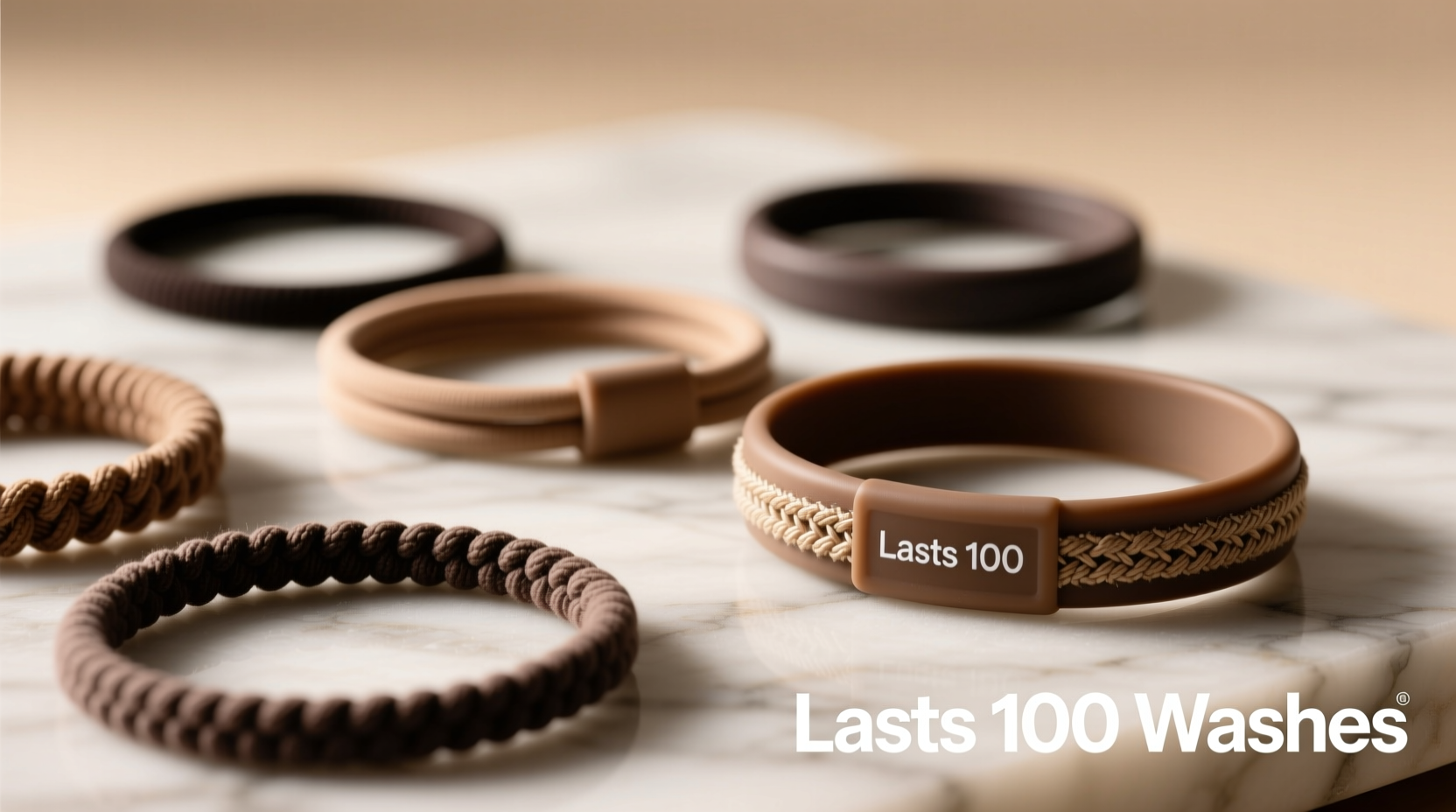
The average hair tie is expected to endure constant stretching, exposure to moisture, friction from brushing, and frequent washing. Yet many are made with low-grade synthetic fibers, thin elastics, or poorly finished seams. These materials degrade quickly under stress, especially when used on thick, curly, or long hair. Mass-produced hair bands often prioritize cost over quality, leading to products that lose elasticity after just a few uses.
A telltale sign of poor construction is visible fraying at the seam or a “crinkly” sound when stretched. Cheap dyes may bleed onto clothing or skin, and weak cores can snap without warning. The root issue isn't necessarily how often you use them—but what they're made of and how they’re designed.
Key Features of Long-Lasting Elastic Hair Ties
Durable hair ties share several core characteristics. Recognizing these features helps you make smarter purchases and avoid disposable-quality accessories.
- Reinforced Core Elastic: Look for ties with double-wrapped or braided elastic cores. These resist snapping and retain stretch far longer than single-strand elastics.
- High-Quality Fabric Covering: Cotton, nylon-spandex blends, or silk-covered elastics glide smoothly through hair and reduce snagging. Avoid rough, loosely woven fabrics.
- Seamless or Flat-Seam Construction: A smooth seam prevents hair breakage and reduces wear on the elastic. Seamless options eliminate friction points entirely.
- Tangle-Free Design: Some premium brands use coiled or spiral designs (like Snag-free® technology) that release easily without pulling.
- Skin-Safe Dyes and Materials: Non-toxic, colorfast dyes ensure the band won’t stain your scalp or clothes over time.
“Most people don’t realize that hair tie quality directly impacts hair health. A well-made band distributes tension evenly and minimizes cuticle damage.” — Dr. Lena Patel, Trichologist & Hair Wellness Consultant
How to Test Durability Before Buying
When shopping—online or in-store—use a quick evaluation method to assess longevity potential. Don’t rely solely on brand reputation or packaging claims.
- Stretch Test: Gently pull the band to 2–3 times its size. It should return to its original shape without distortion or resistance.
- Texture Check: Run your finger along the inner surface. It should feel smooth, not abrasive or bumpy.
- Weight & Density: Higher-quality bands often feel slightly heavier due to denser weaving and better materials.
- Smell Test: Avoid bands with a strong chemical odor—this indicates volatile solvents or low-grade synthetics.
- Wash Resistance: If possible, check product reviews for mentions of performance after washing. A durable tie should survive hand-washing without unraveling.
Top Materials Compared: What Works and What Doesn’t
| Material | Lifespan Estimate | Pros | Cons |
|---|---|---|---|
| Cotton-covered elastic | 2–6 months | Soft, breathable, widely available | Fraying common at seams; loses elasticity when wet |
| Nylon-spandex blend | 6–12 months | Stretchy, tangle-resistant, holds shape | Can feel tight; some generate static |
| Silk-covered elastic | 12+ months | Smooth, reduces friction, gentle on hair | Expensive; requires delicate care |
| Coiled polyurethane (e.g., \"snag-free\") | 12–18 months | No snagging, ultra-durable, weather-resistant | Limited color options; less stretch |
| Recycled rubber + organic cotton | 3–8 months | Eco-friendly, biodegradable options exist | Shorter lifespan; niche availability |
Real-World Example: From Daily Breakage to Year-Long Use
Sophia, a hairstylist in Portland with thick, wavy hair, used to go through nearly a dozen hair ties a month. Frustrated by snapped bands and broken ponytails during client appointments, she decided to audit her options. She switched from $5 multipacks of basic ties to investing in three premium nylon-spandex spiral bands costing $4 each. She also started storing them in a dry tray instead of tossing them into her damp gym bag.
After six months, all three were still intact—no fraying, no loss of grip. One had faded slightly but remained functional. By rotating them and hand-washing monthly, she extended their life to 14 months before replacing one due to minor seam wear. Her annual spending dropped from $60 on disposables to $12 on long-term solutions—and her hair suffered fewer breakage incidents.
Step-by-Step Guide to Building a Lasting Hair Tie Collection
Follow this practical sequence to upgrade your hair tie game with minimal effort and maximum durability.
- Assess Your Hair Type and Needs: Thick or curly hair needs stronger elasticity and wider bands. Fine hair benefits from softer, lighter materials to prevent slippage.
- Research Reputable Brands: Focus on companies known for durability—such as Invisibobble, Scünci, Loetitia, or Slip—with verifiable customer reviews.
- Purchase 2–3 High-Quality Ties: Start small. Test different styles (spiral, covered, flat) to see what works best.
- Label and Rotate: Assign names or colors to track usage. Rotate weekly to prevent overuse.
- Establish a Cleaning Routine: Hand-wash monthly with mild soap and air-dry flat. Never machine-wash or expose to heat.
- Store Properly: Keep in a dry, cool place—like a drawer or dedicated pouch—away from humidity and direct sunlight.
- Monitor Wear and Replace Strategically: Retire bands showing internal unraveling or inconsistent tension, even if they still “work.”
Common Mistakes That Shorten Hair Tie Life
Even the best hair ties won’t last if misused. Avoid these frequent errors:
- Leaving them in hair overnight: Prolonged tension degrades elasticity and increases breakage risk.
- Using them on wet hair: Wet hair is more fragile, and water weakens elastic fibers over time.
- Exposing to heat: Blow dryers, curling irons, or hot cars accelerate material breakdown.
- Storing in humid areas: Bathrooms or gym bags promote mold and fiber degradation.
- Overstretching: Yanking a band over a large bun repeatedly stresses the core beyond design limits.
Frequently Asked Questions
Are expensive hair ties really worth it?
Yes—if they’re genuinely higher quality. A $4 band that lasts a year costs less per use than ten $0.50 bands replaced monthly. Plus, premium ties are gentler on hair, reducing split ends and breakage.
Can I repair a stretched-out hair tie?
Once the elastic core has lost integrity, repair isn’t feasible. However, stretched cotton-covered bands can sometimes be refreshed by soaking in cold water and air-drying, which temporarily re-tightens fibers. This is not a long-term fix.
What’s the most eco-friendly durable option?
Look for brands using recycled nylon, natural rubber, and plastic-free packaging. Some companies offer take-back programs for old elastics. Silk-covered ties are biodegradable and low-impact when sourced ethically.
Final Thoughts: Invest in Small Details for Big Results
Durable elastic hair ties are a small investment with outsized returns: healthier hair, fewer frustrations, and less waste. The key is shifting from a disposable mindset to one of intentional selection and care. By understanding materials, testing for quality, and treating your hair ties like the tools they are, you’ll spend less time replacing them and more time with secure, comfortable styles.




 浙公网安备
33010002000092号
浙公网安备
33010002000092号 浙B2-20120091-4
Comments
No comments yet. Why don't you start the discussion?