
A printed designer handbag is more than an accessory—it’s a statement of style, craftsmanship, and often, a significant investment. Whether it features bold graphic prints, intricate patterns, or limited-edition artwork, the surface of these bags is especially vulnerable to fading, smudging, and damage if not cared for properly. Unlike solid-color leather, printed finishes require specialized attention to preserve their visual integrity and structural durability. Missteps in cleaning or storage can lead to irreversible harm, including color transfer, cracking, or peeling.
The key to long-term preservation lies in understanding the materials involved, using appropriate tools, and establishing a consistent maintenance routine. With the right approach, you can keep your bag looking showroom-fresh for years, even with regular use.
Understanding Printed Handbag Materials
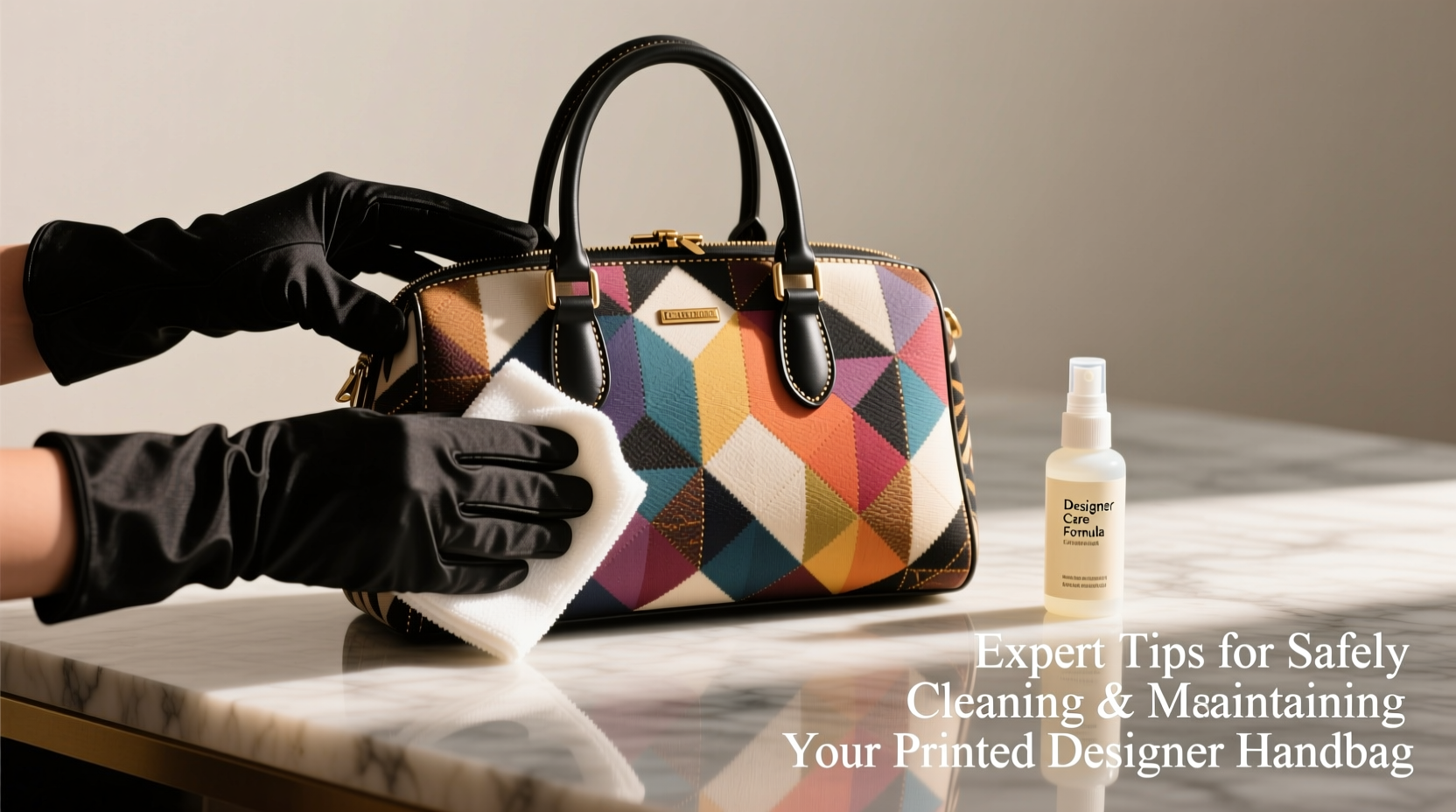
Printed designer handbags are typically made from one of several base materials: coated canvas, embossed or printed leather, synthetic fabrics, or specialty textiles like nylon or twill. Each has unique vulnerabilities. For example, Louis Vuitton’s iconic monogram canvas uses a coated cotton base, while Gucci’s floral prints often appear on calfskin treated with a protective lacquer. These coatings provide some resistance to moisture and abrasion but can degrade under improper conditions.
It’s crucial to identify your bag’s material before beginning any cleaning process. Check the care label or consult the brand’s official website. When in doubt, contact customer service—most luxury houses offer detailed care guidance for specific collections.
Step-by-Step Guide to Safe Cleaning
Cleaning a printed handbag requires patience and precision. Rushing the process or using inappropriate products can do more harm than good. Follow this six-step method to clean your bag effectively without compromising its finish.
- Empty and inspect: Remove all contents and examine the bag for stains, scuffs, or areas of wear. Pay close attention to corners, handles, and hardware.
- Dust removal: Use a soft, dry microfiber cloth to gently wipe away surface dust. For textured surfaces, a clean, soft-bristled brush (like a makeup brush) can help dislodge debris from crevices.
- Spot test: Dampen a corner of a cloth with a small amount of pH-neutral cleaner formulated for delicate surfaces. Test on a discreet area such as the interior flap or bottom edge.
- Gentle wiping: If no discoloration occurs after 5–10 minutes, lightly dampen the microfiber cloth (never saturate) and wipe the exterior in gentle, linear motions—avoid circular rubbing, which can blur prints.
- Dry thoroughly: Allow the bag to air-dry at room temperature, away from direct sunlight or heat sources. Do not use a hairdryer or fan.
- Protect: Once dry, apply a light layer of product-safe protectant spray designed for printed or coated fabrics. Hold the nozzle 6–8 inches away and apply evenly.
“With printed bags, less is more. Over-cleaning strips protective coatings and accelerates aging.” — Clara Nguyen, Luxury Accessory Conservator
Do’s and Don’ts: Care Guidelines at a Glance
| Do | Don’t |
|---|---|
| Use a microfiber cloth for daily dusting | Use household cleaners, alcohol, or acetone |
| Store in a breathable cotton dust bag | Store in plastic, which traps moisture |
| Rotate usage to prevent strain on one bag | Overstuff the bag, distorting its shape |
| Condition leather trims every 3–4 months | Apply oil-based conditioners to printed surfaces |
| Wipe metal hardware with a jewelry polishing cloth | Expose gold or silver trim to perfume or lotion |
Maintaining Shape and Structure
One of the most overlooked aspects of handbag care is shape retention. A sagging or misshapen bag not only looks worn but can stress seams and cause internal lining tears. After each use, re-stuff your bag with acid-free tissue paper or soft cloths to maintain its original silhouette. Avoid newspaper, as ink can transfer onto light-colored linings.
When storing, never hang a printed handbag by its straps—this stretches the leather or fabric over time and may cause permanent deformation. Instead, lay it flat or upright in a closet shelf. If your bag comes with a branded box, use it—but only after placing the bag inside a dust cover to allow airflow.
Real Example: Saving a Rain-Damaged Monogram Tote
Sophia, a fashion editor in London, accidentally left her vintage printed canvas tote in the rain during a sudden downpour. The next morning, she noticed water spots and slight darkening along the edges. Instead of panicking, she followed a careful restoration process: she gently patted the surface with a dry towel, stuffed the bag with tissue to retain shape, and let it air-dry for 24 hours in a well-ventilated room. She then used a specialized canvas cleaner recommended by the brand’s boutique and applied a protective spray. After two weeks of cautious handling, the bag regained nearly all its original luster.
Her experience underscores a vital point: immediate, informed action can prevent minor incidents from becoming major losses.
Essential Maintenance Checklist
- Inspect bag weekly for stains, scratches, or loose stitching
- Dust exterior with a microfiber cloth after each use
- Deep clean every 2–3 months (or after heavy use)
- Condition leather trims quarterly with a non-greasy cream
- Polish hardware monthly to prevent tarnishing
- Rotate between multiple bags to reduce wear
- Store in a dust bag with tissue support and silica gel
- Keep away from direct sunlight and humidity above 60%
Frequently Asked Questions
Can I use baby wipes to clean my printed handbag?
No. Most baby wipes contain alcohol, fragrances, and preservatives that can dissolve protective coatings and fade prints. Even “gentle” wipes are too harsh for delicate surfaces. Stick to pH-neutral cleaners tested for luxury accessories.
What should I do if the print starts peeling?
Peeling indicates degradation of the surface coating, often due to exposure to UV light, oils, or improper cleaning. Stop using the bag immediately and consult a professional restorer. Attempting DIY fixes like glue or nail polish can worsen the damage.
How often should I have my bag professionally cleaned?
For frequently used bags, professional servicing every 12–18 months is ideal. Specialists can deep-clean, re-coat, and repair minor flaws without risking further damage. Occasional-use bags may only need inspection every 2–3 years.
Final Thoughts: Preserve Value Through Consistent Care
Your printed designer handbag reflects both personal taste and financial value. Proper maintenance isn’t just about appearance—it protects resale potential and honors the artistry behind the design. By adopting a disciplined yet gentle care routine, you ensure that vibrant prints remain sharp, hardware stays polished, and structure holds strong over time.
Start today: pull out your favorite printed bag, inspect it closely, and follow the steps outlined here. Small habits compound into lasting results. Treat your accessories with the respect they deserve, and they’ll continue to elevate your look for seasons to come.




 浙公网安备
33010002000092号
浙公网安备
33010002000092号 浙B2-20120091-4
Comments
No comments yet. Why don't you start the discussion?