
Spices and peppercorns are the silent architects of flavor in global cuisine. More than mere seasonings, they define regional identities, elevate simple ingredients, and transform meals into sensory experiences. From the smoky warmth of smoked paprika to the floral heat of Sichuan peppercorns, these botanicals carry centuries of trade, tradition, and taste. Understanding their nuances empowers home cooks to move beyond recipes and begin seasoning with intention. This guide explores the science, history, and practical application of spices and peppercorns, offering a foundation for confident, creative cooking.
Definition & Overview
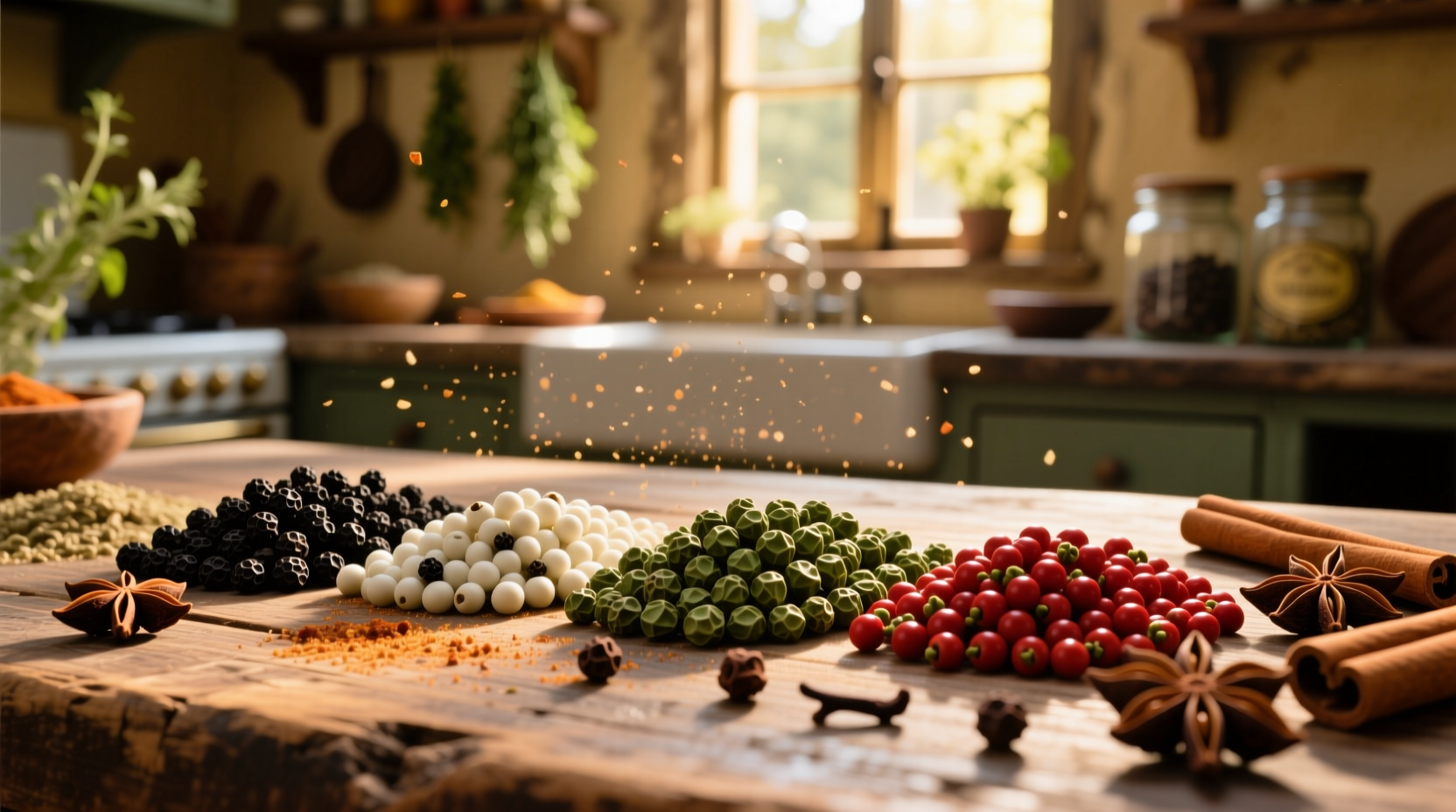
Spices are aromatic plant derivatives—typically sourced from seeds, bark, roots, fruits, or flower buds—that are used in small quantities to enhance flavor, color, and sometimes preservation. Unlike herbs, which are derived from the leafy green parts of plants, spices often come from more concentrated sources and tend to be used dried. Peppercorns, specifically, are the dried berries of the Piper nigrum vine, native to South India. Once a luxury traded along ancient spice routes, pepper is now a kitchen staple, though its forms—black, white, green, red, and beyond—are frequently misunderstood.
The global spice trade shaped economies and empires. Today, spices remain central to cultural identity: cumin in Mexican moles, turmeric in Indian curries, sumac in Middle Eastern salads. Their potency comes from volatile oils and alkaloids, compounds that not only deliver flavor but also possess antimicrobial and antioxidant properties. When used thoughtfully, spices can balance sweetness, cut richness, add depth, or provide contrast.
Key Characteristics of Common Spices and Peppercorns
Each spice and peppercorn variant contributes unique sensory attributes. Below is a comparative overview of essential types:
| Spice/Peppercorn | Flavor Profile | Aroma | Heat Level (1–10) | Culinary Function | Shelf Life (Whole/Ground) |
|---|---|---|---|---|---|
| Black Peppercorn | Pungent, woody, mildly sharp | Fresh, earthy | 5 | Universal seasoning, foundational heat | 3–4 years / 1–2 years |
| White Peppercorn | Mellow, earthy, fermented note | Subtle, less floral | 4 | Light-colored sauces, Chinese stir-fries | 2–3 years / 1 year |
| Green Peppercorn | Herbaceous, tart, fresh | Grassy, bright | 3 | Cream sauces, seafood, pickling | 2 years (brined) / 6 months (dried) |
| Red Peppercorn (Ripe) | Fruity, sweet, mild heat | Floral, berry-like | 4 | Garnish, fruit-based dishes, cocktails | 1–2 years (freeze-dried) |
| Sichuan Peppercorn | Citrusy, numbing, floral | Lemon-rhubarb, piney | 3 (tingling sensation) | Ma la seasoning, dry rubs | 2 years (cool, dark place) |
| Cubeb Pepper | Piney, camphorous, slightly bitter | Medicinal, resinous | 6 | Charcuterie, Moroccan tagines | 3 years / 1 year |
| Allspice Berries | Nutmeg + clove + cinnamon blend | Warm, sweet-spicy | 3 | Caribbean jerk, braises, mulled drinks | 4 years / 2 years |
| Long Pepper (Pippali) | Complex heat, sweet undertones | Earthy, smoky | 7 | Historical recipes, artisanal blends | 3 years / 1.5 years |
Practical Usage: How to Use Spices and Peppercorns in Cooking
Effective use of spices begins with timing and form. Whole spices retain essential oils longer and benefit from blooming—brief frying in oil or dry roasting—to release their full aroma. Ground spices act faster but degrade quicker and can burn easily. Peppercorns, when freshly cracked, offer superior brightness compared to pre-ground versions.
Dry Roasting: Heat whole coriander, cumin, or black peppercorns in a skillet over medium-low heat for 2–3 minutes until fragrant. Cool before grinding. This technique deepens flavor and reduces raw edges.
Blooming in Oil: Add mustard seeds, fennel, or crushed red pepper flakes to hot oil at the start of sautéing. The fat extracts lipophilic compounds, distributing flavor evenly through the dish.
Layering Peppercorns: Combine different types for complexity. For example, use black pepper for base heat, a few Sichuan peppercorns for tingle, and a pinch of cubeb for finish in a steak rub.
Finishing with Fresh Cracked Pepper: Always finish soups, grilled meats, and pastas with a final grind. Heat dulls volatile piperine, so late addition preserves bite.
Pro Tip: Invest in a high-quality burr mill for peppercorns. Blade grinders crush inconsistently, leading to uneven texture and flavor release. A burr mill allows precise control over coarseness—fine for sauces, coarse for crusts.
In professional kitchens, chefs often toast and grind spices in small batches daily. At home, toasting a quarter-cup of mixed peppercorns (black, pink, green) and storing them in an airtight jar yields a versatile \"rainbow pepper\" blend ideal for salads, eggs, or roasted vegetables.
Variants & Types of Peppercorns
Despite originating from the same vine, peppercorns vary dramatically based on harvest time and processing:
- Black Peppercorns: Made from unripe green berries cooked briefly in hot water and sun-dried. The outer layer ferments, turning black and developing pungency.
- White Peppercorns: Ripe red berries soaked in water to remove the outer skin, leaving only the seed. Less complex but smoother, often used where black specks are undesirable.
- Green Peppercorns: Unripe berries preserved in brine or freeze-dried. Retain chlorophyll and a tart, fresh profile.
- Red/Ripe Peppercorns: Fully mature berries, rare due to rapid spoilage. Sweet and fruity, often freeze-dried or sold in vodka.
- Pink Peppercorns: Not true peppercorns—they come from the Peruvian pepper tree (Schinus molle). Mildly sweet and resinous, but can cause allergic reactions in sensitive individuals.
Other notable peppercorn relatives include:
- Tellicherry Peppercorns: A premium grade of black pepper from Kerala, larger and more complex due to extended vine time.
- Voatsiperifery: A wild Malagasy vine pepper with citrus and floral notes, prized in haute cuisine.
- Timut Peppercorn: Nepalese variety similar to Sichuan, with grapefruit and pine aromas.
Comparison with Similar Ingredients
Confusion between peppercorns and other spicy botanicals is common. Clarifying distinctions ensures accurate usage:
| Ingredient | True Classification | Key Difference | Substitution Advice |
|---|---|---|---|
| Pink Peppercorn | Berries from Schinus tree | Milder, sweeter, potential allergen | Use sparingly; not interchangeable with black pepper |
| Sichuan Peppercorn | Seed husk from Zanthoxylum plant | Numbing effect (not heat), citrus-pine aroma | No true substitute; avoid confusing with black pepper |
| Chili Flakes | Dried Capsicum fruit | Direct capsaicin heat, no woody notes | Add heat but not depth; do not replace black pepper |
| Allspice | Unripe berry of Pimenta dioica | Warm, sweet, clove-like—not peppery | Can complement pepper but not replace it |
| Juniper Berries | Conifer cone | Pine-forward, used in game and gin | Not a pepper substitute; distinct culinary role |
“Many cooks think ‘pepper’ means one thing. But just as wine varies by terroir and vintage, so does pepper. Tellicherry from monsoon rains tastes different than Malabar coast harvests.” — Chef Anita B., James Beard Finalist
Practical Tips & FAQs
How should I store spices and peppercorns?
Keep whole spices and peppercorns in airtight glass jars, away from heat, light, and moisture—ideally in a cool, dark cabinet. Avoid storing above the stove. Ground spices lose potency within 6–12 months; whole forms last significantly longer.
Is pre-ground pepper acceptable?
Only in convenience-driven settings. Pre-ground pepper loses up to 60% of its volatile oils within days. For discernible improvement, crack your own at the table or during cooking.
Can I substitute one peppercorn for another?
Yes, but with intent. White pepper lacks the floral top notes of black but offers deeper fermentation tones. Green adds freshness. A blend of three or four types creates dimensionality. Never substitute Sichuan for black pepper unless the recipe calls for numbing heat.
Are rainbow peppercorn mixes worth it?
They’re visually appealing but often impractical. Pink peppercorns dominate the blend, altering flavor balance. Better to create your own mix using 3 parts black, 1 part green, 1 part white, and optional Sichuan or cubeb for complexity.
What dishes showcase peppercorns best?
- Steak au Poivre: Coarse black peppercorns crushed and seared into a crust.
- French Onion Soup: Freshly cracked pepper balances sweet caramelized onions.
- Chinese Century Egg with Tofu: White pepper enhances creaminess without visual disruption.
- Thai Green Curry: Green peppercorns in brine add bright heat.
- Spice Rubs: Toasted black and Sichuan peppercorns ground with salt for lamb or duck.
Do organic or fair-trade spices make a difference?
Yes. Organic certification reduces pesticide exposure. Fair-trade sourcing supports ethical labor practices in regions where spice farming is labor-intensive. While price may be higher, quality and sustainability justify the cost for many consumers.
Can old spices be revived?
No. Once essential oils evaporate, flavor cannot be restored. However, stale spices can be used in non-culinary ways: add to potpourri, compost, or DIY cleaning scrubs (e.g., baking soda + dried rosemary).
Storage Checklist:
- Use amber or cobalt glass jars to block UV light.
- Label jars with purchase date.
- Buy whole spices in small quantities (3–6 months’ supply).
- Store in a drawer, not under fluorescent lights.
- Never refrigerate unless specified (risk of condensation).
Summary & Key Takeaways
Spices and peppercorns are far more than background players—they are dynamic tools that shape the character of a dish. Understanding their origins, processing, and sensory profiles enables intentional seasoning. Black, white, green, and red peppercorns each offer distinct contributions, while related botanicals like Sichuan and pink peppercorns expand the palate in new directions.
Key principles for mastery:
- Prefer whole spices and crack or grind them fresh.
- Toast or bloom spices to maximize flavor release.
- Store properly to preserve potency and shelf life.
- Combine peppercorn types for layered seasoning.
- Respect differences between true peppercorns and look-alikes.
Cooking with spices is both science and art. Start with quality ingredients, apply technique deliberately, and taste as you go. Over time, you’ll develop an instinct for when a dish needs warmth, brightness, or bite—and which peppercorn or spice delivers it most effectively.




 浙公网安备
33010002000092号
浙公网安备
33010002000092号 浙B2-20120091-4
Comments
No comments yet. Why don't you start the discussion?