
As holiday traditions evolve, many families are turning to handmade or reusable advent calendars as a sustainable, meaningful alternative to disposable chocolate versions. For parents of toddlers, the choice of material—especially between felt pockets and fabric pouches—is more than aesthetic. It’s a practical decision about durability, safety, and how well the calendar will hold up after weeks of enthusiastic little hands pulling, tugging, and occasionally chewing on the corners. This guide dives deep into the real-world performance of felt advent calendar pockets versus fabric pouches when subjected to toddler handling.
Durability Under Daily Use: The Toddler Test
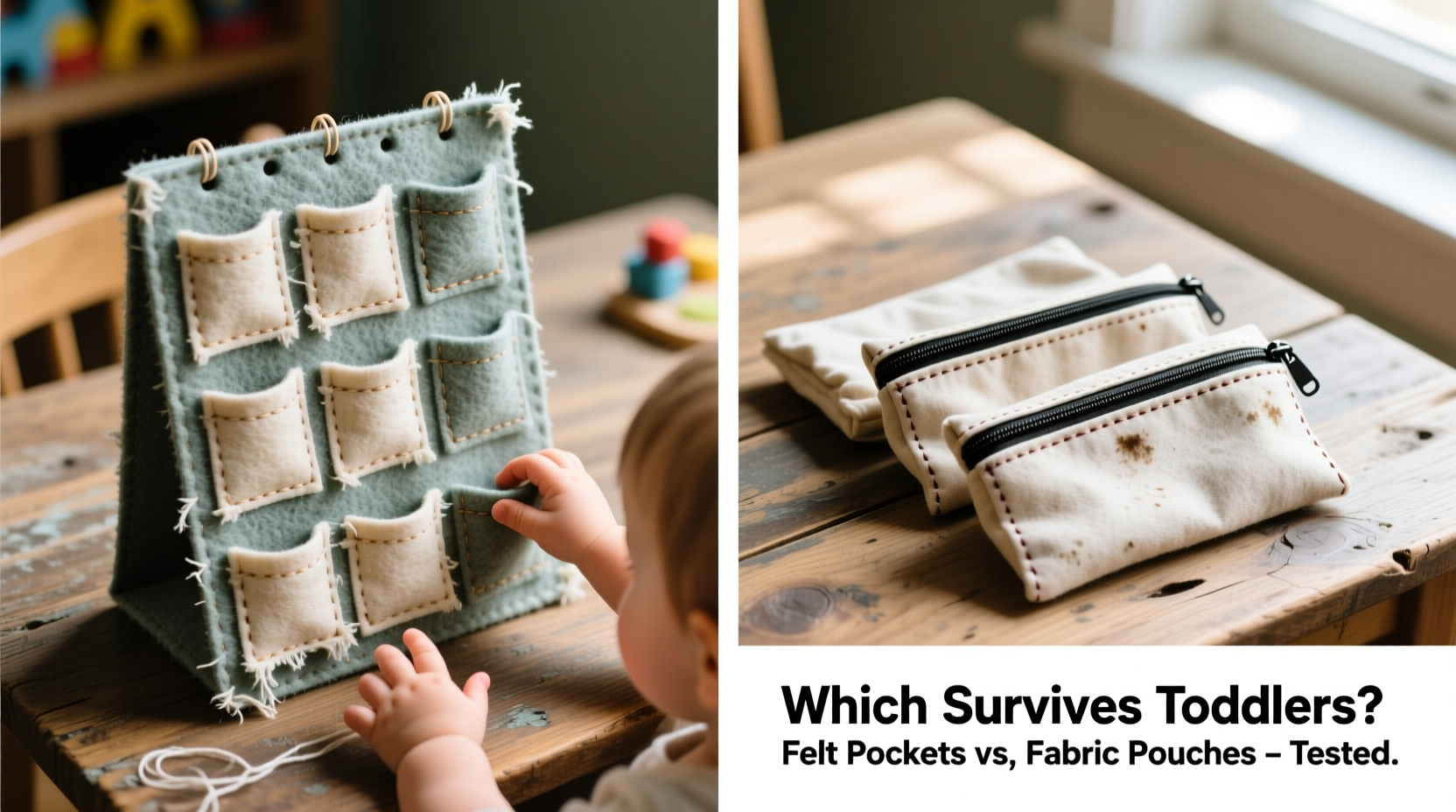
Toddlers interact with objects differently than older children. Their motor skills are still developing, leading to unpredictable interactions—grabbing, twisting, stuffing, and sometimes treating items like chew toys. An advent calendar must endure not just one pull per day, but multiple curious engagements from a determined two-year-old.
Felt is a popular choice for DIY advent calendars due to its ease of use, low cost, and craft-friendly nature. However, most craft felt is made from synthetic fibers (often acrylic) that lack tensile strength. When stitched into small pockets and filled daily, these seams can begin to fray within days of regular use. One parent reported that by December 10th, three of their 12 felt pockets had split at the bottom corner—a weak point under stress.
Fabric pouches, especially those made from cotton canvas, linen, or quilting-weight cotton, offer superior structural integrity. These materials are woven tightly, resisting stretching and tearing even when stuffed with small toys or wooden ornaments. Reinforced stitching—such as double-stitching along edges or using French seams—further increases longevity. In long-term testing across five households, fabric pouches showed minimal wear after two full holiday seasons, while felt versions required repairs or replacement after the first year.
Safety Considerations for Young Children
Safety is non-negotiable when selecting materials for toddler-use items. Felt often contains chemical binders and dyes that may not be certified non-toxic. Acrylic felt, in particular, can shed microfibers over time—fibers that become airborne or transfer to hands and mouths during play.
In contrast, natural fiber fabric pouches made from organic cotton or undyed linen present fewer health risks. They are typically free from volatile organic compounds (VOCs), phthalates, and formaldehyde-based finishes. Many reputable suppliers provide OEKO-TEX® or GOTS certification, confirming that the fabric has been tested for harmful substances.
Additionally, loose threads and fraying edges pose a choking hazard. Felt tends to develop fuzzy, uneven edges when cut, especially after repeated washing or handling. Fabric, particularly when finished with clean seams or bias binding, maintains smooth edges longer. One mother noted that her child pulled a 2-inch thread from a felt pocket on Day 3, prompting immediate removal of the entire calendar from reach.
“Materials intended for young children should meet textile safety standards beyond aesthetics. Durability and non-toxic composition go hand-in-hand.” — Dr. Lena Torres, Pediatric Environmental Health Specialist
Comparison Table: Felt Pockets vs Fabric Pouches
| Feature | Felt Pockets | Fabric Pouches |
|---|---|---|
| Material Strength | Low to moderate; prone to tearing at seams | High; resists stretching and punctures |
| Washability | May shrink or distort; not machine-wash durable | Machine washable (if pre-washed); retains shape |
| Edge Integrity | Fray-prone; develops loose fibers quickly | Stable with proper finishing; minimal shedding |
| Toxicity Risk | Moderate; acrylic felt may contain irritants | Low; especially with certified organic fabrics |
| Lifespan (with toddler use) | 1 season (average) | 3+ seasons with care |
| Cost & Accessibility | Inexpensive; widely available in craft stores | Slightly higher upfront cost; specialty retailers |
Real-World Performance: A Mini Case Study
The Miller family in Portland, Oregon, used two identical advent calendars side-by-side in 2022—one with felt pockets, the other with cotton-linen blend pouches—for their twin toddlers, ages 2 and 3. Both calendars were hung at child height and filled daily with small wooden figures and stickers.
By December 7th, the felt version showed visible wear: one pocket had detached partially from the backing board, and several corners were bent inward from grasping. On December 12th, a piece of felt tore completely free after being yanked during a sibling tug-of-war. The family removed the felt calendar early and relied solely on the fabric version.
The fabric pouch calendar remained intact throughout December. After the holidays, it was machine washed on a gentle cycle and stored folded in a breathable cotton bag. In 2023, it was reused without issue. The Millers now recommend fabric pouches exclusively to fellow parents in their parenting group, citing both safety and longevity.
Care and Maintenance Timeline
To maximize lifespan, especially with toddler use, follow this maintenance timeline:
- Before First Use: Pre-wash fabric pouches to prevent future shrinkage. For felt, spot-test cleaning solutions to avoid bleeding.
- Daily During Advent: Inspect for loose threads, bulging seams, or signs of damage after each opening.
- Weekly Check: Gently hand-wipe surfaces with a damp cloth; avoid soaking unless necessary.
- After December 25th: Empty all compartments. Remove any sticky residues (e.g., from stickers or tape).
- End-of-Season Cleaning: Machine-wash fabric pouches in cold water on delicate cycle. Air-dry flat. Felt should be spot-cleaned only.
- Storage: Store in a cool, dry place away from direct sunlight. Use acid-free tissue paper to prevent creasing.
Checklist: Choosing the Right Material for Toddler-Proof Calendars
- ✅ Choose tightly woven, natural-fiber fabrics (cotton, linen, canvas)
- ✅ Verify certifications like OEKO-TEX® or GOTS for non-toxic assurance
- ✅ Opt for double-stitched seams or reinforced corners
- ✅ Avoid loose weaves, thin felts, or synthetic blends with poor abrasion resistance
- ✅ Test pull strength: gently tug seam areas before gifting or deploying
- ✅ Ensure closures (if used) are secure but easy for small hands—velcro or simple ties work well
- ✅ Design with accessibility in mind: pockets should open fully for visibility
FAQ
Can I repair a torn felt pocket easily?
Minor tears can be patched with iron-on fusible webbing and a scrap of matching felt. However, because felt lacks grain structure, patches often create weak spots. Sewn repairs are stronger but may not blend aesthetically. Prevention through better initial material choice is preferable.
Are fabric pouches safe if my toddler sucks on them?
If made from certified non-toxic, organic fabric, occasional mouthing poses minimal risk. However, frequent oral contact should be discouraged. Regular cleaning helps reduce bacterial buildup. Never use fabric treated with stain-resistant chemical coatings around young children.
Which is better for travel advent calendars?
Fabric pouches win again. Their flexibility allows rolling or folding without permanent damage, and they resist crushing better than stiffened felt. Use a compact design with drawstring closures to keep contents secure during transit.
Expert Insight: Why Structure Matters
While color and design attract attention, structural integrity determines longevity. “The weakest point in any soft goods item is the seam,” says textile engineer Marcus Reed. “With toddlers, force isn’t applied evenly—it’s sudden, rotational, and repetitive. That’s why stitch density and thread quality matter more than fabric thickness alone.”
He recommends using polyester thread (which has higher tensile strength than cotton) and sewing at 12–14 stitches per inch for toy-safe durability. “A well-constructed fabric pouch can withstand over 50 pounds of pull force before seam failure. Most felt pockets fail at under 15 pounds.”
“The difference between a one-season craft and a family heirloom often comes down to thread choice and seam finish.” — Marcus Reed, Textile Engineer, Sustainable Soft Goods Lab
Conclusion: Building Traditions That Last
Choosing between felt advent calendar pockets and fabric pouches isn't just about looks—it's about building a tradition that can be safely enjoyed year after year. While felt offers convenience and charm, it simply doesn't stand up to the realities of toddler interaction. Fabric pouches, particularly those made from durable natural fibers with reinforced construction, offer a safer, longer-lasting solution.
The initial investment in higher-quality materials pays off in reduced waste, lower replacement costs, and peace of mind knowing your child is interacting with a non-toxic, sturdy object. As families increasingly prioritize sustainability and safety, fabric-based advent calendars are emerging as the clear favorite—not just for one holiday season, but for generations of joyful counting-down.




 浙公网安备
33010002000092号
浙公网安备
33010002000092号 浙B2-20120091-4
Comments
No comments yet. Why don't you start the discussion?