
In the past few years, foldable phones have transitioned from experimental gadgets to serious contenders in the premium smartphone market. Brands like Samsung, Google, and OnePlus now offer foldables that rival traditional flagships in performance and design. But when it comes to long-term durability and real-world daily use, how do they really stack up? This comprehensive analysis dives into build quality, screen resilience, user habits, repair costs, and long-term usability to determine whether a foldable can truly replace your standard flagship.
Durability Design: Engineering Differences
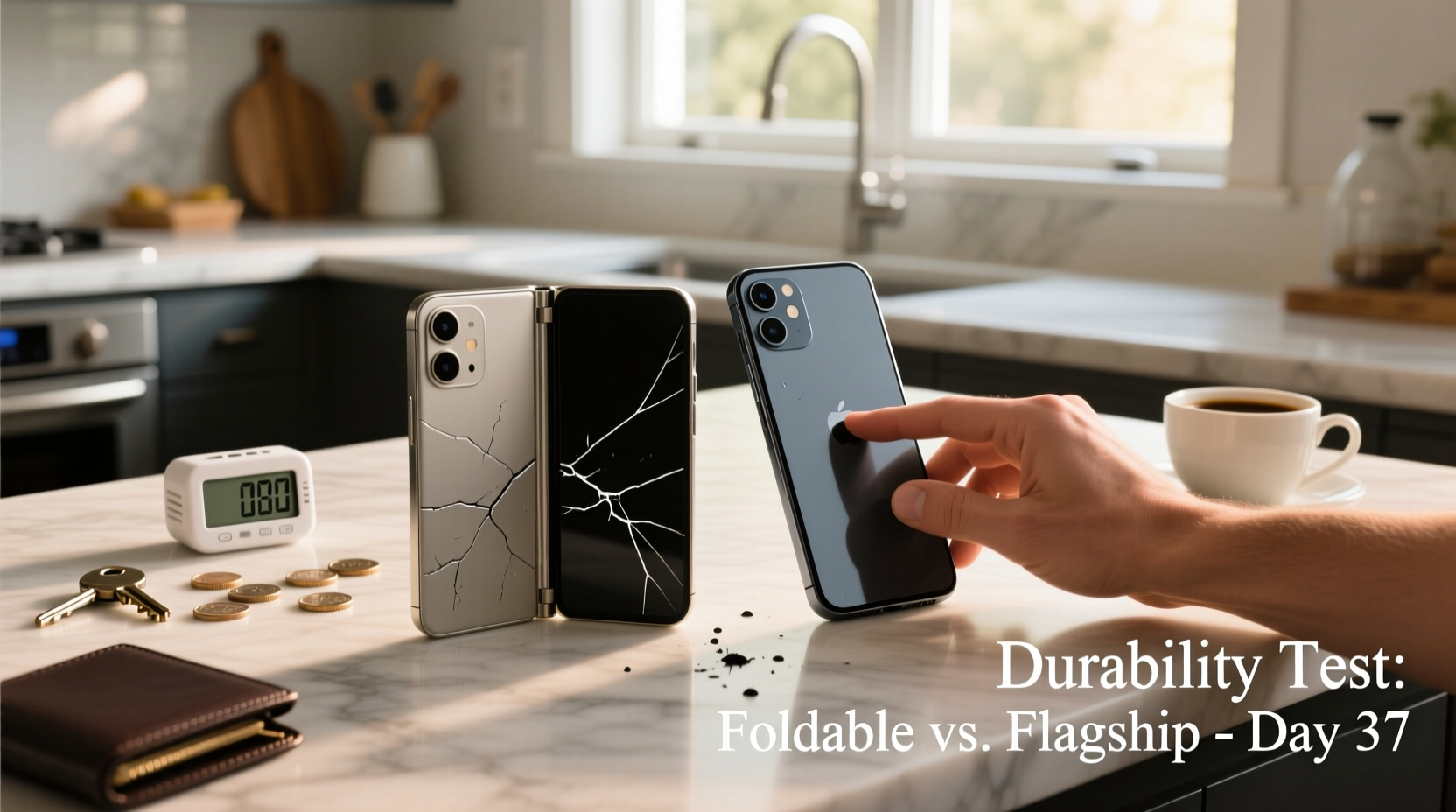
The core distinction between foldable and standard smartphones lies in their structural engineering. Traditional flagships—such as the iPhone 15 Pro Max or Samsung Galaxy S24 Ultra—are built with rigid glass and aluminum frames designed for impact resistance and longevity. They follow a well-established formula: flat display, sealed chassis, and proven materials.
Foldables, by contrast, introduce moving parts. The hinge mechanism and flexible OLED panel are inherently more complex. While manufacturers have made significant strides—Samsung’s Armor Aluminum frame, reinforced hinges, and ultra-thin glass (UTG)—the folding nature introduces stress points absent in conventional phones.
Drop tests conducted by independent labs reveal a consistent trend: foldables fare worse when dropped on hard surfaces, especially on edges or corners where the hinge is exposed. A 2023 study by SquareTrade found that first-generation foldables failed after an average of 3–5 drops from waist height, while modern versions last longer but still underperform compared to rigid flagships.
“While foldables have improved dramatically, the presence of a mechanical hinge and dual-layer screens means there are more failure vectors than in a monoblock device.” — Dr. Lena Park, Senior Analyst at MobileTech Review
Daily Use Realities: Pocket, Bag, and Hand Stress
Durability isn’t just about surviving a fall—it’s about enduring daily wear. Consider how you interact with your phone: pulling it from tight pockets, placing it in bags with keys, resting it face-down on tables, or using it one-handed while walking.
Standard flagships, with their solid construction, handle these micro-abrasions well. Gorilla Glass Victus 2 and ceramic shielding provide excellent scratch and shatter resistance. Foldables, however, face unique challenges:
- Screen crease exposure: The central crease on foldable displays collects dust and lint over time, which can cause micro-scratches.
- Hinge vulnerability: Sand or grit entering the hinge mechanism may degrade smoothness or lead to internal damage.
- Uneven closure: If foreign particles get trapped when closing, pressure on the inner screen increases, risking pixel burn-in or delamination.
A real-world example illustrates this: Sarah, a marketing manager in Chicago, used her Galaxy Z Fold 5 daily for six months. She noticed increased resistance when opening the device after storing it in her work bag alongside pens and notebooks. Upon inspection, fine debris had accumulated in the hinge track. After professional cleaning, operation improved—but the incident highlighted a fragility not present in her previous iPhone 14 Pro.
Longevity Comparison: Lifespan and Degradation
One critical factor often overlooked is degradation over time. Both types of phones lose battery efficiency and responsiveness after two years, but foldables face additional concerns due to mechanical fatigue.
Manufacturers typically rate foldable hinges for 200,000 folds—equivalent to five years of use at 100 opens/closes per day. In theory, this sounds robust. However, real-world conditions differ. Temperature fluctuations, humidity, and inconsistent folding angles affect long-term reliability.
Screen durability also varies. The outer cover glass on newer foldables (like the Z Fold 5) uses stronger materials, but the inner display remains vulnerable. Users report visible creases deepening after 12–18 months, even without physical damage. Pixel aging is another issue: static elements like navigation bars can leave ghosting effects due to uneven OLED wear.
In contrast, standard flagships maintain consistent screen quality throughout their lifespan. Their components are less prone to mechanical wear, and replacements (like batteries or screens) are widely available and relatively affordable.
Repair Cost and Availability
When something breaks, cost matters. Here's a realistic comparison based on current U.S. pricing (as of Q2 2024):
| Device | Screen Replacement (Inner) | Outer Screen Repair | Battery Replacement | Hinge Service |
|---|---|---|---|---|
| Samsung Galaxy Z Fold 5 | $399 | $279 | $119 | $189 (if needed) |
| iPhone 15 Pro Max | N/A | $349 | $89 | N/A |
| Google Pixel Fold | $360 | $260 | $109 | $175 |
| Samsung Galaxy S24 Ultra | N/A | $299 | $99 | N/A |
As shown, repairing a foldable’s inner screen approaches half the original retail price. While Samsung offers extended care plans ($149/year), out-of-warranty repairs remain prohibitively expensive for many users.
User Experience: Practicality in Everyday Scenarios
Durability isn't just about survival—it's about usability. How does each phone perform across common tasks?
For multitasking, foldables excel. The large inner display allows split-screen email and web browsing, ideal for professionals. However, this benefit comes with trade-offs:
- Thicker profile: Even closed, most foldables are thicker than standard phones, making them harder to grip one-handed.
- Pocket fit: Vertical foldables like the Z Flip 5 fit better than horizontal ones, but still add bulk compared to slimmer flagships.
- Auto-frame rotation: Some apps don’t adapt well when switching between folded and unfolded modes, requiring manual adjustments.
On the other hand, standard flagships offer predictable behavior. Buttons feel consistent, gestures are reliable, and app layouts rarely break. For users who prioritize stability over novelty, this consistency enhances daily comfort.
One area where foldables surprisingly shine is drop resilience on soft surfaces. Because they’re often heavier and more balanced, they tend to land flat rather than tumble edge-first. But this minor advantage doesn’t outweigh the inherent risks of having two screens and a moving hinge.
Step-by-Step Guide: Maximizing Your Foldable’s Longevity
If you’ve invested in a foldable, follow these steps to extend its life:
- Use a manufacturer-approved case: Third-party cases may interfere with the hinge seal or fail to protect the corners adequately.
- Clean the hinge weekly: Use a soft brush (like a clean makeup brush) to remove lint and dust from the hinge groove.
- Avoid extreme temperatures: Don’t leave the phone in direct sunlight or freezing cars; thermal expansion can warp delicate layers.
- Keep it clean: Wipe the inner screen with a microfiber cloth only when necessary. Never use liquids directly on the display.
- Update software regularly: Manufacturers release hinge calibration updates and screen protection features via OTA patches.
- Store upright when possible: Laying a foldable flat with weight on top increases pressure on the inner screen.
Checklist: Foldable vs Standard Flagship Decision Guide
Before choosing, ask yourself:
- ✅ Do I need multitasking or larger screen space regularly?
- ✅ Am I willing to pay premium repair costs if damaged?
- ✅ Will I carry this in a crowded bag or pocket frequently?
- ✅ Do I prefer sleek, lightweight devices or don’t mind added thickness?
- ✅ Is my usage mostly media consumption, messaging, and calls?
- ✅ Can I commit to careful handling and regular maintenance?
If you answered “no” to three or more, a standard flagship is likely the more durable, hassle-free choice.
Frequently Asked Questions
Can I use a screen protector on a foldable phone?
Most modern foldables come with factory-applied protective layers that act as built-in screen protectors. Adding aftermarket films is not recommended—they can interfere with touch sensitivity, create bubbles, or damage the crease during folding. Samsung explicitly advises against third-party inner screen protectors.
How do foldables handle water resistance?
Current models like the Galaxy Z Fold 5 and Z Flip 5 have IPX8 ratings, meaning they can survive freshwater submersion up to 1.5 meters for 30 minutes. However, this rating applies only when the device is fully closed. Opening it underwater or exposing the hinge to prolonged moisture voids protection. Standard flagships typically offer full-body IP68 ratings, providing more consistent sealing.
Are foldables worth it for average users?
For power users who value productivity and enjoy cutting-edge tech, yes. But for those seeking reliability, ease of use, and long-term value, standard flagships remain superior. Foldables are still niche devices with higher risk profiles. As the technology matures, this gap will narrow—but we’re not there yet.
Final Verdict: Balancing Innovation and Reliability
Foldable phones represent a bold leap forward in mobile design. They deliver unique functionality and showcase what’s possible when form follows flexibility. Yet, when evaluated through the lens of durability and daily practicality, they still trail behind traditional flagships.
The mechanical complexity, higher repair costs, and subtle but persistent wear issues make foldables less resilient over time. They demand more attention, care, and financial commitment from users. Meanwhile, standard flagships continue refining a proven formula: powerful, durable, and dependable.
That said, if your workflow benefits from a tablet-sized canvas or you simply love pioneering technology, a foldable can be a rewarding companion—provided you treat it with deliberate caution.




 浙公网安备
33010002000092号
浙公网安备
33010002000092号 浙B2-20120091-4
Comments
No comments yet. Why don't you start the discussion?