
In the ever-evolving world of smartphone accessories, few debates are as quietly persistent as the one between glitter and matte phone cases. One promises sparkle and whimsy; the other, sleek minimalism and understated elegance. But with design trends shifting toward subtlety and functionality, many wonder: does anyone still like glitter phone cases, or has their moment passed?
The answer isn’t as simple as “yes” or “no.” Personal style, practical needs, and cultural context all play a role in shaping preferences. While some may dismiss glitter as outdated or overly flashy, others cherish it for its nostalgic charm and expressive flair. Understanding the strengths and weaknesses of both options can help users make informed choices that align with how they live—and how they want their devices to reflect who they are.
The Allure of Glitter: More Than Just Sparkle
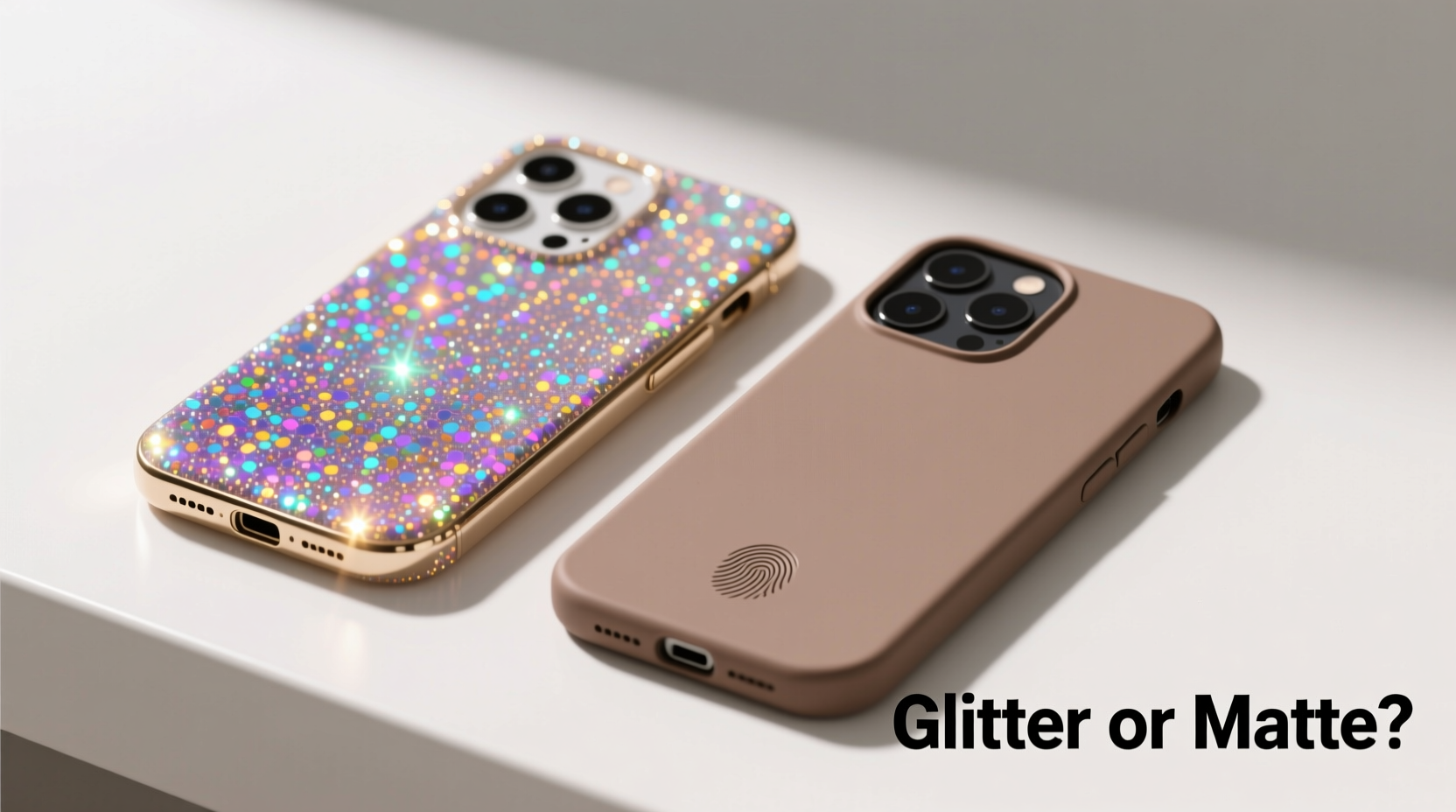
Glitter phone cases surged in popularity during the early 2010s, riding the wave of maximalist fashion and social media-driven self-expression. These cases often feature suspended particles in liquid or gel, creating a dynamic shimmer when moved. For many, especially younger users or those embracing bold aesthetics, glitter offers a sense of fun and individuality.
There’s also a psychological appeal. Studies in color psychology suggest that bright, reflective surfaces can elevate mood and attract attention—important factors when your phone is an extension of your personality. In environments where standing out matters—like college campuses, creative workplaces, or influencer circles—glitter cases remain a tool for nonverbal communication.
However, the stigma around glitter as “tacky” or “juvenile” persists in certain circles. This perception stems partly from overexposure during peak trend cycles and associations with fast fashion. Yet, niche designers have begun reimagining glitter with premium materials—think metallic foils, eco-glitter, or artisanal resin work—elevating it beyond its mass-market roots.
Why Matte Has Dominated the Market
Over the past five years, matte-finish phone cases have become the default choice for most consumers. Their rise parallels broader shifts toward minimalist design, luxury aesthetics, and functional simplicity. Matte cases typically offer a soft-touch coating that resists fingerprints, feels pleasant to hold, and complements the industrial design of modern smartphones.
From a practical standpoint, matte finishes are more forgiving. They hide smudges, resist scratches better than glossy surfaces (though not perfectly), and maintain a clean appearance longer. Brands like Apple, Spigen, and Incipio have leaned heavily into neutral tones—charcoal, slate, sand—catering to professionals and design-conscious users who prioritize discretion.
“Matte has become synonymous with sophistication in tech accessories. It signals intentionality—not just protection, but taste.” — Lena Tran, Product Designer at TechStyle Labs
Additionally, matte cases align well with current fashion trends emphasizing quiet luxury and muted palettes. Unlike glitter, which demands attention, matte finishes whisper confidence. That doesn’t mean they lack personality; textured matte patterns, embossed logos, or gradient dyes allow for subtle customization without visual noise.
Comparing Durability and Longevity
Beyond aesthetics, durability is a critical factor in choosing a phone case. How each type holds up over time reveals important trade-offs.
| Feature | Glitter Case | Matte Case |
|---|---|---|
| Scratch Resistance | Moderate – glitter layer can peel or cloud | High – soft coating resists minor abrasions |
| Fade Over Time | Yes – exposure to UV light dulls sparkle | Rare – unless exposed to oils or harsh cleaners |
| Yellowing Risk | Low to moderate – depends on adhesive quality | Moderate – especially in clear matte hybrids |
| Tactile Feel | Smooth, sometimes slippery | Grippy, less likely to drop |
| Lifespan (Average) | 6–12 months with heavy use | 12–18 months with proper care |
One common issue with glitter cases is the eventual separation of glitter particles, particularly in liquid-filled designs. Bubbles form, glitter clumps, and the once-uniform sparkle becomes uneven. Matte cases, while prone to oil buildup from skin, generally degrade more gracefully—often fading slightly at edges rather than failing catastrophically.
Real-World Example: The College Student’s Dilemma
Sophia, a 20-year-old communications major, recently replaced her cracked matte black case with a rose-gold glitter option. Her friends teased her initially, asking if she was “going back to middle school.” But Sophia had a reason: she lost her phone twice last semester, and both times it was found quickly because someone noticed the shimmer in a library or café.
“It’s not about being childish,” she said. “It’s about visibility. My phone stands out in a pile, and honestly, I smile every time I see it. People remember me by my case now.”
Sophia’s experience illustrates a key point: functionality can coexist with flair. While matte cases blend in, glitter can serve as a practical anti-loss tool in crowded environments. For users who value both personality and utility, glitter remains relevant—even strategic.
How to Choose Based on Lifestyle
Selecting between glitter and matte shouldn’t be dictated solely by trends. Instead, consider your daily routine, environment, and values. Here’s a step-by-step guide to help you decide:
- Assess your usage environment: Do you work in a formal office, or are you constantly on campus or at creative events?
- Evaluate handling frequency: If you handle your phone hundreds of times a day, a grippy matte case may reduce drops.
- Consider visibility needs: If you frequently misplace your phone, a glitter case might make it easier to spot.
- Reflect on personal branding: Is your style bold and expressive, or reserved and polished?
- Think long-term satisfaction: Will you grow tired of sparkle in three months, or will it continue to delight you?
Checklist: Picking the Right Finish for You
- ✅ I want my phone to reflect my personality —> lean toward glitter
- ✅ I work in a professional setting —> matte is safer
- ✅ I lose things easily —> glitter increases visibility
- ✅ I hate cleaning smudges —> matte resists fingerprints better
- ✅ I prefer timeless over trendy —> matte wins for longevity
- ✅ I enjoy changing styles often —> glitter allows playful experimentation
Frequently Asked Questions
Is glitter coming back in style in 2024?
While not mainstream, glitter is experiencing a niche revival in fashion and accessories, particularly through sustainable glitter alternatives and retro-inspired designs. It’s less about ubiquity and more about intentional, curated use.
Do matte cases really resist fingerprints?
Most high-quality matte cases have oleophobic coatings that repel oils, making fingerprints less visible. However, they can accumulate grime over time and may require gentle wiping with a microfiber cloth.
Can I find durable glitter cases?
Yes. Look for brands using sealed epoxy layers or static glitter (non-liquid) designs. Avoid cheap TPU cases with loose particles. Premium options from companies like Casetify or Olixar offer better longevity.
Conclusion: Style Is Personal—Not Temporary
The question isn’t whether people still like glitter—it’s whether you do. Trends come and go, but personal preference endures. Matte cases dominate for good reasons: they’re sleek, professional, and low-maintenance. But dismissing glitter overlooks its emotional resonance, functional benefits, and evolving design potential.
Instead of asking what’s popular, ask what serves you best. Whether you choose the quiet confidence of matte or the joyful shine of glitter, your phone case should feel like an authentic extension of yourself. After all, technology doesn’t have to be sterile to be smart.




 浙公网安备
33010002000092号
浙公网安备
33010002000092号 浙B2-20120091-4
Comments
No comments yet. Why don't you start the discussion?