
Selecting the right soccer ball is more than just grabbing one off the shelf. For players aged 12 and up, the size 5 ball is the standard used in professional matches, high school leagues, and recreational play. Yet not all size 5 balls are created equal. From construction materials to inflation retention and touch response, subtle differences can dramatically affect performance, comfort, and longevity. Whether you're a weekend player, a coach, or a parent outfitting a young athlete, understanding what makes a quality size 5 soccer ball ensures better gameplay and value for money.
Understanding Size 5 Soccer Balls: Who Should Use Them?
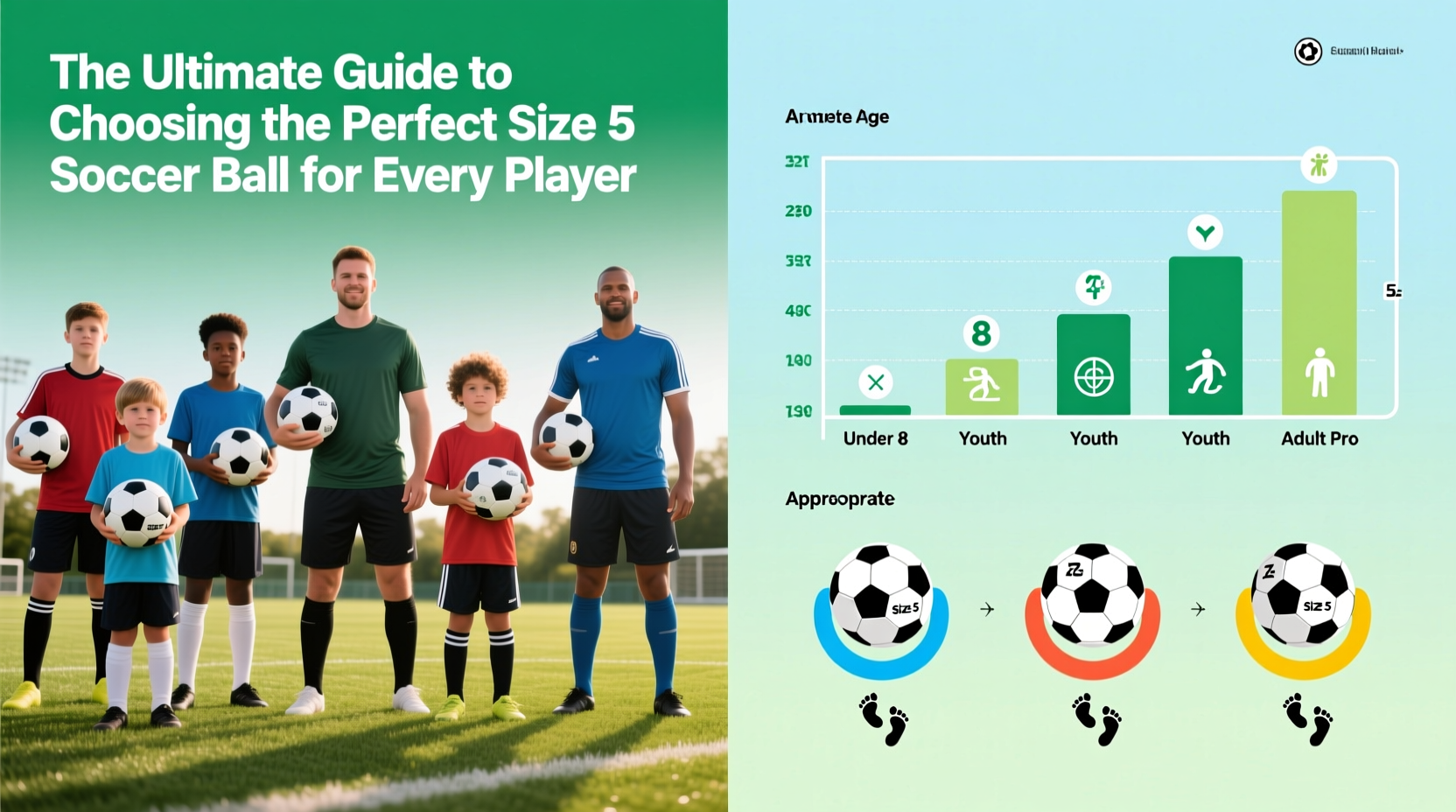
The size 5 soccer ball is designed for players aged 12 and older, including adults. It measures between 27 and 28 inches in circumference and weighs approximately 14 to 16 ounces when properly inflated. This size provides optimal balance, flight trajectory, and control for full-sized fields and competitive play.
Using an incorrect size—such as a size 4 for a teenager or adult—can hinder skill development. A smaller ball doesn’t replicate the weight and resistance of a regulation match ball, leading to inaccurate passes, weaker shots, and poor muscle memory formation. Coaches consistently emphasize using the correct size from the developmental stage onward.
“Using a proper size 5 ball starting at age 12 helps players build real-world coordination and power application.” — Marcus Rivera, Youth Soccer Development Coach
Key Features of a High-Quality Size 5 Soccer Ball
Not every ball labeled “size 5” meets performance standards. The best ones share several critical characteristics:
- Bonded Seams (Thermally Bonded or Hand-Stitched): These eliminate stitching holes that can leak air or absorb water.
- Synthetic Leather Cover (PVC or PU): Polyurethane (PU) offers superior feel, durability, and water resistance compared to cheaper PVC.
- Butyl Bladder: Retains air longer than latex bladders, reducing the need for frequent reinflation.
- Consistent Roundness and Balance: Precision manufacturing ensures even weight distribution for accurate flight.
- Approved by FIFA or NFHS: Look for FIFA Quality Pro, FIFA Quality, or NFHS certification for match-ready performance.
Comparing Materials: What’s Best for Your Playing Style?
The materials used in a soccer ball directly influence its behavior on the field. Here's a breakdown of common combinations and their ideal use cases:
| Outer Material | Bladder Type | Best For | Avoid If |
|---|---|---|---|
| Polyurethane (PU) | Butyl | All-weather play, training, matches | You prioritize ultra-lightweight feel |
| Polyurethane (PU) | Latex | Competitive matches, pros seeking responsiveness | You play infrequently or in wet conditions |
| PVC | Butyl | Casual play, budget-conscious buyers | You want premium touch or long-term durability |
| TPU (Thermoplastic Urethane) | Butyl | Durability on rough surfaces, youth leagues | You need tournament-level precision |
PU-covered balls with butyl bladders strike the best balance for most players. They offer excellent touch, weather resistance, and require minimal maintenance. TPU is tougher than PU and resists abrasion on asphalt or gravel, making it suitable for street soccer or multi-surface environments.
Step-by-Step Guide to Choosing the Right Ball
Follow this process to find the ideal size 5 soccer ball for your needs:
- Identify Your Primary Use: Is it for official matches, daily training, indoor play, or casual backyard games? Match balls differ from training models.
- Check Certification Labels: FIFA Quality Pro is top-tier; FIFA Quality is reliable for club use; NFHS approval ensures high school compliance.
- Test the Feel: Press the surface with your palm. It should be firm yet slightly yielding—not rock-hard or overly soft.
- Evaluate Inflation Needs: Latex bladders require weekly inflation; butyl maintains pressure for weeks. Choose based on convenience.
- Assess Weather Conditions: If you often play in rain, avoid stitched seams and latex bladders, which absorb moisture and add weight.
- Set a Realistic Budget: Premium balls range from $60–$100; durable mid-range options cost $30–$50. Avoid anything under $20 for regular use.
- Read Verified Reviews: Look for feedback on durability, water absorption, and shape retention over time.
Real-World Example: Choosing for a Travel Team
Coach Lisa Tran manages a U14 girls’ travel team that competes regionally. She needed six match-quality balls that could withstand frequent use across grass, turf, and occasional rainy conditions. After testing three models, she chose a PU-covered, thermally bonded ball with a butyl bladder.
“We were using a popular brand with a latex bladder,” she explained. “We had to pump them before every game, and after two months, they started losing shape. Switching to a butyl-bladder model saved us time and money. Now the balls last nearly twice as long.”
This switch reduced maintenance demands and ensured consistent performance during tournaments—proof that small technical choices have big practical impacts.
Top 5 Tips for Maintaining Your Size 5 Soccer Ball
Even the best ball will degrade quickly without proper care. Extend its life with these essential practices:
- Inflate to the manufacturer’s recommended PSI (usually 8.5–15.6 psi). Overinflation causes bursting; underinflation leads to poor bounce and strain on the seams.
- Wipe clean with a damp cloth after use, especially if played on wet or muddy fields.
- Store indoors at room temperature, away from sharp objects or extreme humidity.
- Rotate multiple balls if available, allowing each to rest and retain shape.
- Avoid kicking the ball against concrete walls or using it on excessively abrasive surfaces unless designed for it.
Frequently Asked Questions
Can I use a size 5 ball for indoor soccer?
Yes, but consider a low-rebound or futsal-specific size 5 if playing in confined spaces. Standard outdoor size 5 balls may be too bouncy indoors. Some brands offer \"indoor/outdoor\" variants with controlled rebound.
How long should a good size 5 soccer ball last?
With regular use (2–3 times per week), a quality PU/TPU ball with a butyl bladder should last 6 to 12 months. Frequent exposure to rain, rough surfaces, or improper storage shortens lifespan.
Are FIFA-certified balls worth the extra cost?
For serious players and coaches, yes. FIFA Quality or Quality Pro balls undergo rigorous testing for roundness, water absorption, shape retention, and rebound consistency. They deliver predictable performance crucial in competitive settings.
Final Checklist Before You Buy
Before purchasing any size 5 soccer ball, run through this checklist:
- ☑ Designed for players 12+ years old
- ☑ Circumference: 27–28 inches
- ☑ Weight: 14–16 oz (600–650g)
- ☑ Outer material: PU or TPU preferred
- ☑ Bladder: Butyl for durability, latex for elite responsiveness
- ☑ Seam type: Thermal bonding or hand-stitching (no machine stitching)
- ☑ Certification: FIFA Quality, FIFA Quality Pro, or NFHS approved
- ☑ Intended use matches your environment (e.g., waterproof for rainy climates)
Conclusion
The right size 5 soccer ball enhances control, improves consistency, and supports skill growth. It’s not merely equipment—it’s a tool that shapes how a player interacts with the game. By focusing on materials, construction, certifications, and maintenance, you ensure every pass, shot, and dribble feels authentic and effective.




 浙公网安备
33010002000092号
浙公网安备
33010002000092号 浙B2-20120091-4
Comments
No comments yet. Why don't you start the discussion?