
In recent years, fur-trimmed accessories have made a quiet comeback—especially in the form of stylish keychains. While some are crafted from synthetic fibers, others use real animal fur, often without clear labeling. For ethical shoppers, allergy sufferers, or those simply wanting transparency, distinguishing real from faux fur is essential. This guide equips you with reliable methods to detect genuine fur on keychains, helping you make informed, responsible choices.
Why Knowing the Difference Matters
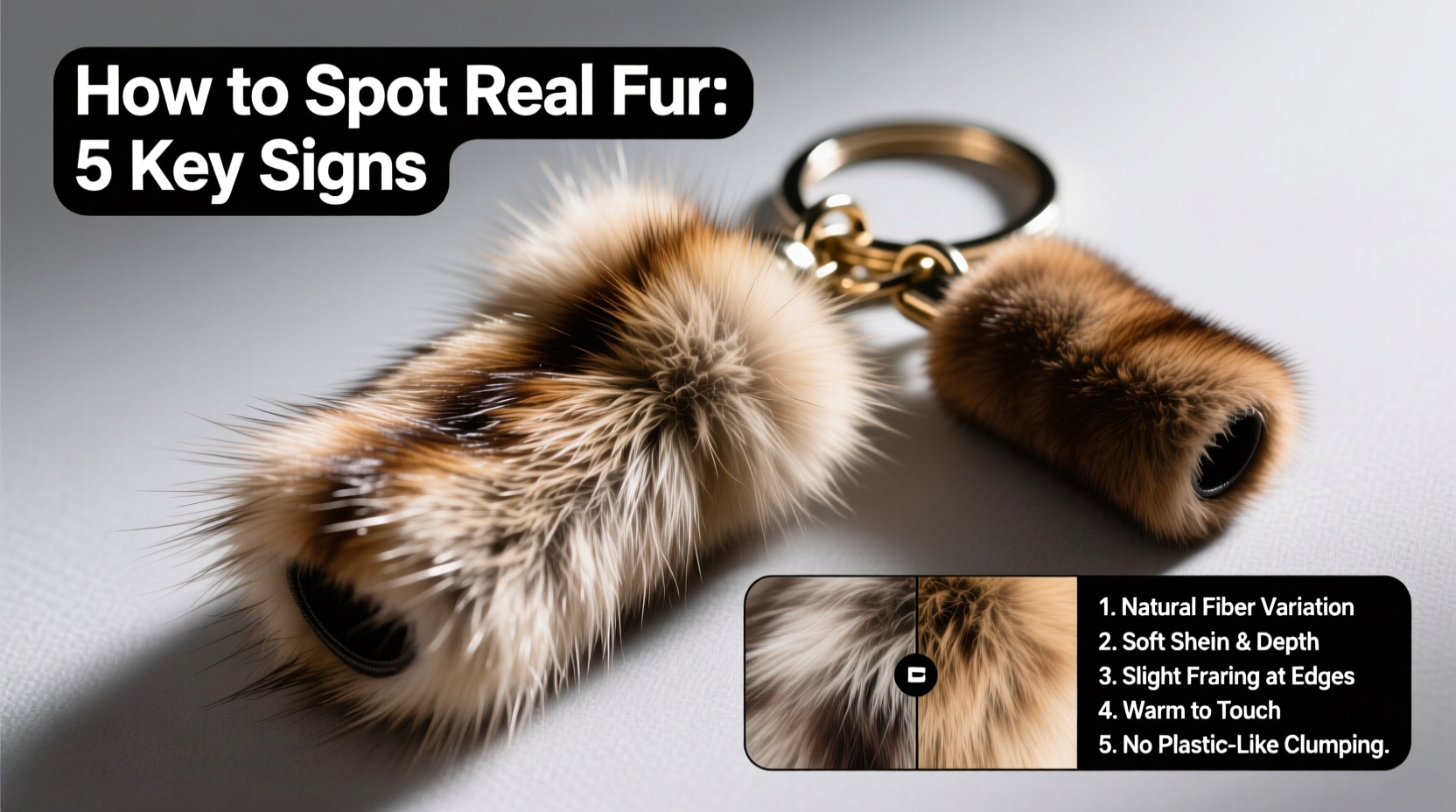
The distinction between real and faux fur goes beyond aesthetics. Real fur involves animal sourcing, raising concerns about sustainability, animal welfare, and environmental impact. Synthetic alternatives, while petroleum-based, avoid direct harm to animals and are often more affordable. Additionally, real fur requires specific care to prevent matting and odor, whereas faux fur can usually be cleaned more easily. Mislabeling is common—some sellers market faux fur as \"faux luxury\" while others quietly pass off real fur as synthetic. Being able to identify the material protects your values, health, and wallet.
Physical Characteristics: The First Clues
The most immediate way to assess fur is through close observation and touch. Real and faux fur differ in texture, structure, and appearance under scrutiny.
- Texture: Real fur feels soft but has a natural variation—some strands may be coarser or wiry. Faux fur tends to feel uniformly smooth, sometimes slightly plastic-like.
- Base Material: Real fur is rooted in a leather or skin backing, which feels flexible and slightly porous. Faux fur is attached to a woven fabric or mesh base, often with a flat, synthetic feel.
- Hair Consistency: Natural fur has varied lengths and thicknesses within a single patch. Synthetic fur typically features uniform fibers cut to the same length.
- Shine: Real fur has a subtle, matte luster. Faux fur often reflects light unnaturally due to its plastic composition.
These clues aren’t definitive alone, but they provide a strong starting point for further testing.
Step-by-Step Guide: How to Test Fur at Home
You don’t need lab equipment to conduct basic identification. Follow this sequence of simple, non-destructive tests before considering more invasive methods.
- Inspect Under Magnification: Use a jeweler’s loupe or smartphone macro lens. Real fur shows individual hair follicles emerging from a skin layer. Faux fur reveals straight fibers glued or stitched into a backing.
- Perform the Burn Test (Caution Advised): Snip a few loose fibers or pull one from the edge. Hold it with tweezers and apply a flame:
- Real fur burns slowly, smells like burnt hair, and turns to fine ash.
- Faux fur melts, drips, and emits a chemical, plastic odor.
- Check Flexibility: Bend the base. A supple, slightly stretchy backing suggests real skin. A stiff, fabric-like backing indicates synthetic construction.
- Wet Test: Dampen a small area. Real fur clumps naturally and dries with original texture. Faux fur may stiffen or lose shape.
“Consumers should treat unlabeled fur items with skepticism. The burn test remains one of the most accessible and accurate DIY methods.” — Dr. Lena Patel, Textile Forensics Researcher, Manchester Institute of Materials
Comparison Table: Real vs. Faux Fur on Keychains
| Feature | Real Fur | Faux Fur |
|---|---|---|
| Backing Material | Leather or thin skin (flexible) | Synthetic fabric (stiff, woven) |
| Fiber Appearance | Natural variation in length and color | Uniform, too-perfect look |
| Burn Reaction | Smells like burnt hair; turns to ash | Melts; smells like plastic |
| Feel When Rubbed | Soft, warm, slightly springy | Smooth, cool, static-prone |
| Price Point | Generally higher ($25+) | Typically lower ($5–$15) |
| Label Clarity | Often labeled “rabbit,” “mink,” etc. | Labeled “faux,” “synthetic,” or unspecified |
Common Deceptive Practices to Watch For
Some sellers exploit consumer ignorance by using misleading terms. Phrases like “natural-looking fur,” “luxury fluff,” or “premium trim” avoid legal responsibility while implying authenticity. Others attach fake fur to leather patches to mimic real fur construction. In some markets, rabbit fur is used because it’s inexpensive and not always regulated under fur-labeling laws.
A mini case study illustrates this: Sarah, a conscious shopper in Portland, bought a keychain described as “eco-plush trim” from an online boutique. It felt soft and looked convincing. After using the burn test, she discovered the fibers melted and reeked of plastic. The seller later admitted it was faux fur but refused to clarify why the description was ambiguous. Her experience underscores the importance of proactive verification—even when shopping from seemingly ethical brands.
Expert Tips and Best Practices
Accurate identification isn’t just about science—it’s also about smart shopping habits. Combine physical testing with informed purchasing strategies.
- Buy from reputable brands that disclose materials transparently.
- Avoid vintage or secondhand fur items unless certified.
- Use a portable magnifier app on your phone for quick fiber inspection.
- When in doubt, opt for products labeled “100% acrylic” or “polyester pile.”
“The rise of ‘fur-like’ synthetics means even experts sometimes need lab analysis. But consumers can catch 90% of mislabeled items with basic tools.” — Marcus Reed, Senior Appraiser at Global Textile Verification Group
Checklist: How to Verify Fur Before Buying
- Read the product description carefully for material terms.
- Ask the seller directly: “Is this real or synthetic fur?”
- Examine the base: Is it leather-like or fabric-based?
- Look for natural inconsistencies in the fur’s color and length.
- Conduct a discreet burn test if possible (on a stray fiber).
- Compare price with typical market rates for real fur items.
- Check return policies in case the material is misrepresented.
Frequently Asked Questions
Can real fur be cruelty-free?
Some brands claim “ethical fur” from animals raised for food, arguing it utilizes byproducts. However, animal rights organizations like PETA maintain that no fur production is truly cruelty-free due to trapping, farming conditions, and lack of global oversight.
Is there a law requiring fur labels on keychains?
In the U.S., the Fur Products Labeling Act requires disclosure of fur type and country of origin for items over $150. However, smaller accessories like keychains are often exempt. The EU has stricter rules, mandating “real fur” labeling regardless of price. Always verify local regulations when importing or selling.
Does faux fur degrade faster than real fur?
Not necessarily. High-quality synthetic fur can last years without shedding, especially if stored properly. Real fur, while durable, is prone to moth damage, humidity-related odors, and requires seasonal conditioning. Maintenance matters more than material alone.
Conclusion: Make Informed Choices with Confidence
Identifying real fur on keychains doesn’t require expertise—just attention to detail and a willingness to question vague marketing. Whether driven by ethics, allergies, or personal preference, your ability to distinguish materials empowers smarter, more responsible purchases. With the techniques outlined here—from tactile inspection to the burn test—you now have the tools to see through misleading claims. The next time you’re drawn to a fluffy keychain, pause, inspect, and verify. Your values deserve clarity.




 浙公网安备
33010002000092号
浙公网安备
33010002000092号 浙B2-20120091-4
Comments
No comments yet. Why don't you start the discussion?