
The warm, nostalgic aroma of a fresh pine tree is one of the most cherished elements of the holiday season. For many, that scent evokes memories of childhood Christmases, cozy firesides, and family gatherings. But while candles and simmer pots are traditional ways to enhance fragrance, they introduce real fire risks—especially near dry evergreens and electrical lights. The good news? You can enjoy a beautifully scented tree safely by using non-combustible, subtle scent diffusion methods that preserve both ambiance and safety.
With modern tools and a bit of creativity, it’s entirely possible to fill your home with the essence of the holidays without relying on open flames or overheated essential oil burners. This guide explores practical, tested approaches to scent diffusion that align with fire safety standards, support indoor air quality, and elevate your holiday decor.
Why scent matters—and why safety comes first
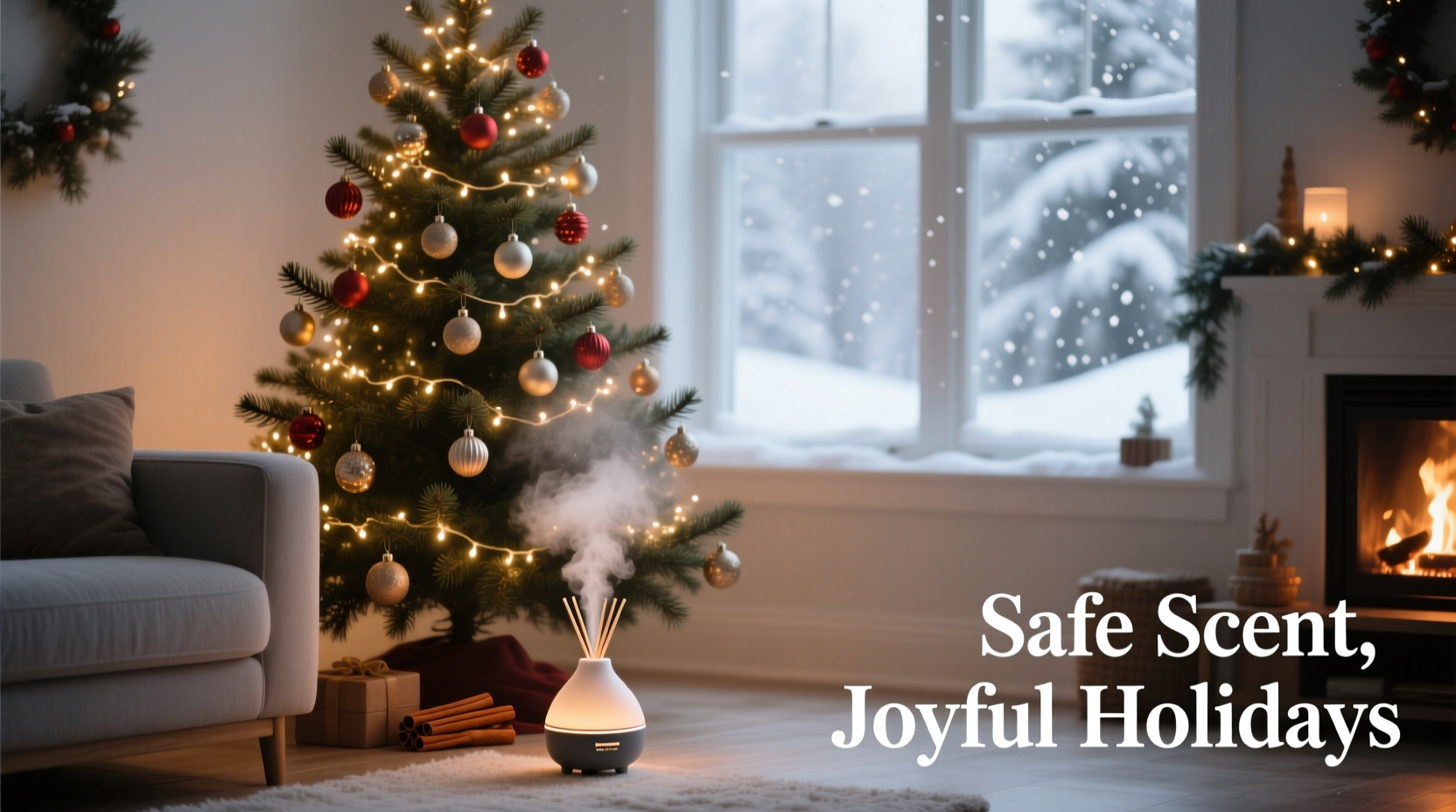
Scent plays a powerful role in emotional memory and seasonal atmosphere. Studies in environmental psychology show that familiar fragrances—like pine, cinnamon, or citrus—can reduce stress and increase feelings of comfort during the winter months. A 2021 study published in *Frontiers in Psychology* found that ambient holiday scents improved mood and perceived coziness in home environments by up to 37% compared to unscented spaces.
Yet the National Fire Protection Association (NFPA) reports that between 2016 and 2020, U.S. fire departments responded to an average of 1,600 home fires per year involving decorations, including Christmas trees. Over half of these incidents were attributed to electrical distribution or lighting equipment, but open flame sources like candles contributed significantly to ignition risk when placed too close to flammable materials.
“Any heat source near a dried-out Christmas tree creates a dangerous scenario. Even a candle two feet away can ignite needles in under 30 seconds.” — Lt. Daniel Reyes, Fire Safety Inspector, Chicago Fire Department
Given these risks, eliminating open flames from tree areas isn’t just prudent—it’s essential. Fortunately, scent diffusion doesn’t require fire. By shifting to passive, low-energy methods, you maintain olfactory richness while drastically reducing danger.
Safe, effective scent diffusion methods
The key to successful fire-safe scenting lies in choosing delivery systems that don’t generate heat, rely on electricity minimally, or use volatile solvents. Below are five proven, hazard-free techniques for introducing subtle fragrance to your tree zone.
1. Essential oil spritzers with natural carriers
A simple spray bottle filled with water and a few drops of high-quality essential oil offers immediate, adjustable scent. Pine, fir, cedarwood, orange, and clove oils blend naturally with the existing aroma of a real tree.
Mix 10–15 drops of essential oil per 8 oz of distilled water. Lightly mist the outer branches every few days, avoiding direct contact with lights or electrical components. Because the solution evaporates slowly at room temperature, it releases fragrance gradually without overwhelming the space.
2. Absorbent material diffusers
Use porous materials like untreated wood slices, cotton fabric strips, or felt ornaments soaked in essential oils. These act as passive wicks, releasing scent over time through natural evaporation.
Attach small fabric pouches or tie oil-soaked wooden rings to higher branches where airflow is strongest. Reapply oils every 5–7 days. Unlike electric diffusers, these require no power and pose zero fire risk.
3. Ventilation-based diffusion
Leverage your home’s HVAC system to distribute scent gently. Place a few drops of essential oil on a furnace filter (if safe per manufacturer guidelines) or use a vent clip designed for air circulation.
Choose clips made of silicone or ceramic that hold felt pads infused with oils. Clip them to heating or return air vents near the tree. As air moves through, it carries trace amounts of fragrance throughout connected rooms—creating a soft, ambient presence rather than a concentrated burst.
4. Scented ornaments with refillable capsules
Modern decorative ornaments now include hidden compartments for scent inserts. Look for glass or ceramic designs with removable caps containing absorbent cores.
Fill the core with a drop or two of essential oil and reinsert. These function like slow-release perfume beads but in festive shapes—stars, snowflakes, or miniature pinecones. Positioned among lights and tinsel, they blend seamlessly into decor while offering consistent background scent.
5. Humidifier integration
If you already run a cool-mist humidifier during winter, add compatible essential oils to enhance moisture-laden air. Ensure your model allows for aromatherapy use (many ultrasonic units do).
Place the humidifier near—but not directly under—the tree. The fine mist disperses micro-droplets of oil into the air, amplifying natural tree scent without heat or sparks. Always follow dilution instructions; excessive oil can damage internal components.
Step-by-step: Creating a layered scent experience
For a rich yet understated fragrance profile, combine multiple passive methods in sequence. Follow this timeline to build depth over the holiday period:
- Day 1 – Tree Setup: After placing the tree, lightly spritz inner and outer branches with a pine-orange-clove blend. Let dry completely before adding lights.
- Day 2 – Base Layer Installation: Hang three to four oil-soaked wood slices or fabric ribbons on upper and mid-level branches. Position them near natural airflow paths (e.g., near doorways).
- Day 3 – Ambient Distribution: Install a vent clip on a nearby HVAC register using a cedar-fir oil pad. Confirm airflow direction carries scent toward the living area.
- Day 5 – Decorative Diffusion: Add two scented ornaments—one near the top, one near the base—for visual and aromatic balance.
- Weekly Maintenance: Every Saturday, refresh spritzers, re-oil absorbent materials, and inspect for dust buildup that may dull scent release.
This layered approach mimics how natural forest scents travel—through wind, humidity, and surface evaporation—resulting in a dynamic, evolving aroma that feels organic rather than artificial.
Do’s and Don’ts of fire-safe tree scenting
| Do’s | Don’ts |
|---|---|
| Use only 100% pure essential oils (no synthetic fragrances) | Never place candles, wax melts, or tealights near the tree |
| Dilute oils properly before applying to fabrics or surfaces | Avoid plug-in oil warmers that use heating elements |
| Test sprays on a small branch first to check needle reaction | Don’t over-saturate materials—excess oil can drip or stain |
| Keep diffusing items away from light bulbs and outlets | Never modify electrical devices to diffuse oils |
| Store unused oils in dark glass bottles, out of reach of pets | Don’t use aerosol sprays—they can be flammable and harsh on air quality |
Real-world example: A safer holiday tradition
In Portland, Oregon, Maria Thompson, a mother of two and certified aromatherapist, transformed her family’s risky candle-heavy tradition after a close call in 2019. “We had lit several pillar candles around the tree base,” she recalls. “One tipped over during dinner. It didn’t catch fire, but smoke set off the alarm and terrified the kids.”
Determined to keep the sensory joy without the danger, Maria developed a scent strategy using linen ribbon diffusers dyed with plant-based colors and infused with Douglas fir and blood orange oils. She weaves them into garlands and ties them to gift stacks beneath the tree. “The scent builds slowly,” she says. “People often comment, ‘It smells exactly like walking through the woods after rain.’ And I sleep better knowing there’s no flame anywhere near dry pine.”
Her method has since been adopted by her church’s holiday committee, which now uses large wooden stars treated with essential oils as centerpiece diffusers during services.
Expert insight: Balancing scent intensity and air quality
While fragrance enhances mood, overuse can trigger headaches or respiratory irritation—especially in sensitive individuals. Dr. Lena Patel, an environmental health specialist at Columbia University, advises moderation.
“Even natural oils are potent chemical compounds. In enclosed spaces, high concentrations can affect indoor air quality. When diffusing near children, elderly family members, or pets, opt for lower doses and prioritize ventilation.” — Dr. Lena Patel, Environmental Health Researcher
She recommends using scent intermittently—such as activating diffusion only during gatherings—and opening windows briefly each day to reset air composition.
Frequently asked questions
Can I use essential oils on an artificial tree?
Yes, but test a small area first. Some plastics and PVC materials may react with oils, causing discoloration or degradation. Use lighter concentrations and avoid spraying directly onto delicate tips. Fabric-based artificial trees generally tolerate oils better.
How long do passive diffusers last?
Wood and fabric typically release noticeable scent for 5–7 days before needing reapplication. Ceramic or glass diffusers with sealed cores may last 2–3 weeks depending on oil volume and room temperature. Cooler rooms prolong release; warmer areas accelerate evaporation.
Are there pet-safe options?
Many common essential oils—especially tea tree, eucalyptus, citrus, and pine—are toxic to cats and dogs if inhaled in high concentrations or ingested. For homes with pets, consider using only pet-safe oils like lavender (in very low doses) or skip direct diffusion altogether. Instead, focus on non-toxic alternatives like dried citrus slices or whole spices tucked discreetly into boughs.
Final checklist: Your fire-safe scent plan
- ✅ Choose only flame-free diffusion methods (sprays, passive wicks, vent clips)
- ✅ Verify all materials are non-flammable and kept clear of heat sources
- ✅ Dilute essential oils properly—never apply undiluted to tree or decor
- ✅ Limit diffusion near pets, infants, or those with respiratory conditions
- ✅ Refresh scent weekly and monitor for dust or residue buildup
- ✅ Keep a fire extinguisher accessible and smoke detectors operational
Conclusion: Celebrate safely, breathe deeply
The magic of the holidays lives in the details—the glint of ornaments, the warmth of shared meals, and yes, the unmistakable whisper of pine in the air. You don’t need fire to create that feeling. With thoughtful, science-backed alternatives, you can enjoy a richly scented Christmas tree that honors tradition while protecting what matters most: your home and loved ones.




 浙公网安备
33010002000092号
浙公网安备
33010002000092号 浙B2-20120091-4
Comments
No comments yet. Why don't you start the discussion?