
Building a strong brand is not about flashy logos or catchy slogans—it’s about creating a consistent, meaningful experience that connects with people on an emotional level. In today’s crowded marketplace, authenticity and clarity separate forgettable businesses from those that earn loyalty and trust. Whether you’re launching a startup or refining an existing business, establishing a powerful brand identity requires strategy, introspection, and consistency.
A well-crafted brand doesn’t just attract customers—it attracts the right customers. It communicates values, builds credibility, and creates a foundation for long-term growth. The process isn’t reserved for big corporations with massive budgets. With focused effort, any entrepreneur can develop a brand that feels genuine and leaves a lasting impression.
Define Your Core Purpose and Values
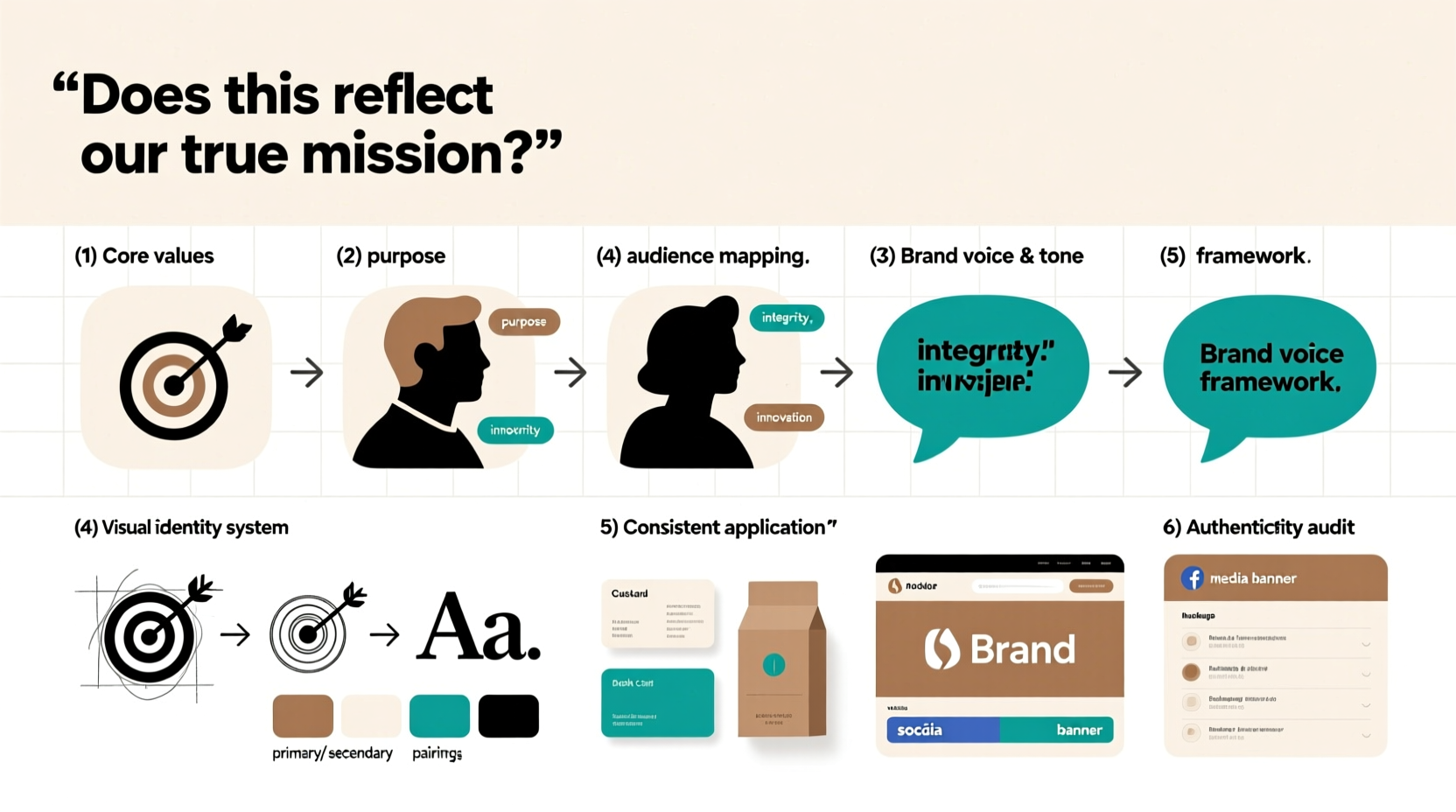
Before designing a logo or choosing brand colors, start with the internal work: defining why your business exists beyond making money. What problem do you solve? Who are you serving? What beliefs guide your decisions?
These foundational elements—your mission, vision, and core values—form the backbone of your brand identity. They influence everything from customer service tone to product development. Companies like Patagonia and TOMS built powerful brands not just through marketing, but by aligning every action with a deeper purpose.
Ask yourself:
- What change do I want to create in my customers’ lives?
- What principles will never be compromised, even under pressure?
- How do I want people to feel when they interact with my business?
Understand Your Audience Deeply
You can’t build a meaningful connection without knowing who you’re speaking to. Go beyond demographics. Explore your audience’s motivations, fears, aspirations, and daily habits. The more precisely you understand them, the more relevant and personal your brand can become.
Create detailed buyer personas. Include not just age and income, but lifestyle choices, preferred communication styles, and where they seek information. For example, a sustainable skincare brand targeting eco-conscious millennials should know whether their audience values scientific transparency, minimalist packaging, or community involvement most.
Use surveys, social listening, and direct conversations to gather insights. Real feedback beats assumptions every time.
“People don’t buy what you do; they buy why you do it.” — Simon Sinek, author of *Start With Why*
Develop Your Visual and Verbal Identity
Your brand identity includes both visual and verbal components. Together, they create immediate recognition and convey personality.
Visual Elements:
- Logo: Should be simple, scalable, and reflective of your brand’s character.
- Color Palette: Colors evoke emotion. Blue suggests trust, green implies sustainability, red conveys energy.
- Typography: Fonts communicate tone—serif fonts feel traditional, sans-serif reads modern.
- Imagery Style: Will you use candid photos, illustrations, or minimalist graphics?
Verbal Identity:
- Tone of Voice: Are you professional, playful, authoritative, or empathetic?
- Brand Messaging: Craft key messages that reflect your value proposition clearly and consistently.
- Tagline: A short phrase that encapsulates your brand promise (e.g., Nike’s “Just Do It”).
| Brand Personality | Visual Style | Verbal Tone |
|---|---|---|
| Innovative Tech Startup | Minimalist design, bold accents, modern fonts | Confident, forward-thinking, jargon-light |
| Artisan Coffee Roaster | Warm tones, hand-drawn elements, natural textures | Warm, inviting, story-driven |
| Luxury Wellness Brand | Soft neutrals, elegant typography, high-contrast imagery | Sophisticated, calming, precise |
Step-by-Step Guide to Building Your Brand Identity
Follow this structured approach to ensure no critical element is overlooked:
- Clarify your purpose: Draft your mission, vision, and values.
- Research your audience: Build at least two detailed customer personas.
- Analyze competitors: Identify gaps and opportunities in how others present themselves.
- Define your brand personality: Choose 3–5 adjectives that describe your brand as if it were a person.
- Create visual assets: Design a logo, select colors and fonts, and establish image guidelines.
- Write brand messaging: Develop a value proposition, elevator pitch, and tone-of-voice guide.
- Apply your brand consistently: Update website, social media, packaging, and email templates.
- Gather feedback: Test your branding with a small group of ideal customers.
- Refine and scale: Make adjustments based on response before full rollout.
Real Example: How \"Bloom & Wild\" Built a Memorable Floral Brand
Bloom & Wild, a UK-based flower delivery service, disrupted a traditional industry by reimagining the customer experience around convenience and emotional impact. Instead of generic bouquets in boxes, they introduced flat-packed flowers with personalized notes—making gifting easier and more thoughtful.
Their branding reflects this innovation: soft pastel colors, handwritten-style fonts, and photography focused on real moments of connection. Their tone is warm, slightly whimsical, and deeply human. By aligning their visuals, messaging, and product design around the idea of “meaningful moments,” they created a brand that feels distinct and trustworthy.
The result? Rapid growth, strong customer retention, and a reputation for modernizing an outdated market—all rooted in a coherent, authentic identity.
Common Branding Mistakes to Avoid
Even well-intentioned efforts can go off track. Watch out for these pitfalls:
- Inconsistency: Using different tones or visuals across platforms confuses audiences.
- Trying to appeal to everyone: Broad positioning dilutes your message and weakens connection.
- Copying competitors: Mimicking others leads to invisibility, not differentiation.
- Neglecting internal alignment: Employees must understand and embody the brand.
- Overcomplicating the message: Clarity always wins over cleverness.
Branding Checklist: Key Actions to Take Now
Use this checklist to stay on track as you build or refine your brand:
- ✅ Define your mission, vision, and core values
- ✅ Research and document your ideal customer profile
- ✅ Audit competitors’ branding strengths and weaknesses
- ✅ Choose a brand personality (e.g., friendly, expert, bold)
- ✅ Design a cohesive visual identity (logo, colors, fonts)
- ✅ Establish a consistent tone of voice
- ✅ Create a brand style guide for future reference
- ✅ Apply your branding across all customer touchpoints
- ✅ Test your brand with real users and iterate
- ✅ Train your team to represent the brand authentically
Frequently Asked Questions
How long does it take to build a strong brand?
There’s no fixed timeline. The initial identity can be developed in weeks, but brand strength grows over months and years through consistent delivery on promises. Trust is earned gradually through repeated positive experiences.
Can a small business have a powerful brand?
Absolutely. In fact, small businesses often have an advantage—they can be more agile, personal, and authentic than larger corporations. Think of local cafes known for their atmosphere or freelancers recognized for their unique voice. Size doesn’t limit impact.
Should I rebrand if my business evolves?
If your values, audience, or offerings have significantly changed, a rebrand may be necessary. But evolution doesn’t always require a full overhaul. Subtle refinements to messaging or visuals can keep your brand current while preserving recognition.
Build a Brand That Lasts
A memorable and authentic brand isn’t created overnight, but each intentional step brings you closer to recognition, loyalty, and impact. It starts with honesty—with knowing who you are, who you serve, and what you stand for. From there, every design choice, message, and interaction becomes an opportunity to reinforce that identity.
Don’t aim to be everywhere. Aim to matter to the right people. When your brand reflects truth and consistency, customers won’t just remember you—they’ll believe in you.




 浙公网安备
33010002000092号
浙公网安备
33010002000092号 浙B2-20120091-4
Comments
No comments yet. Why don't you start the discussion?